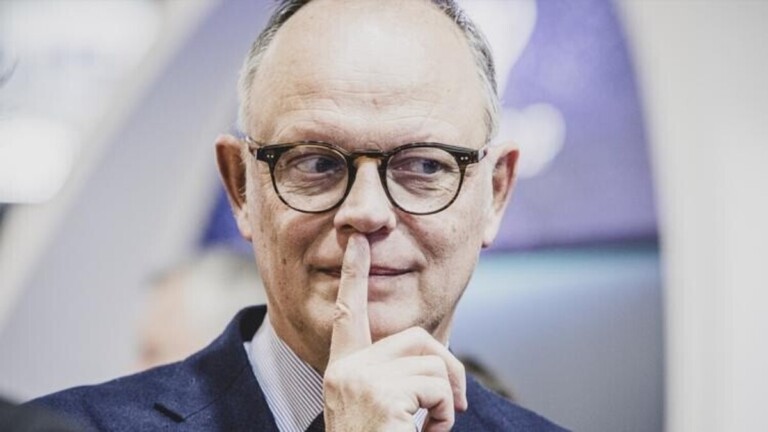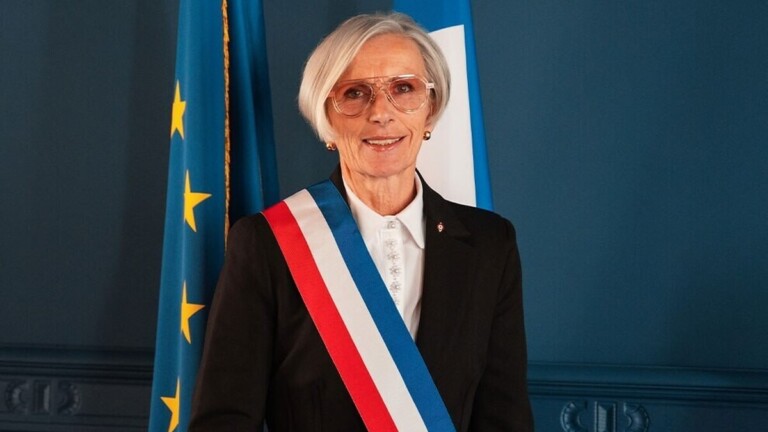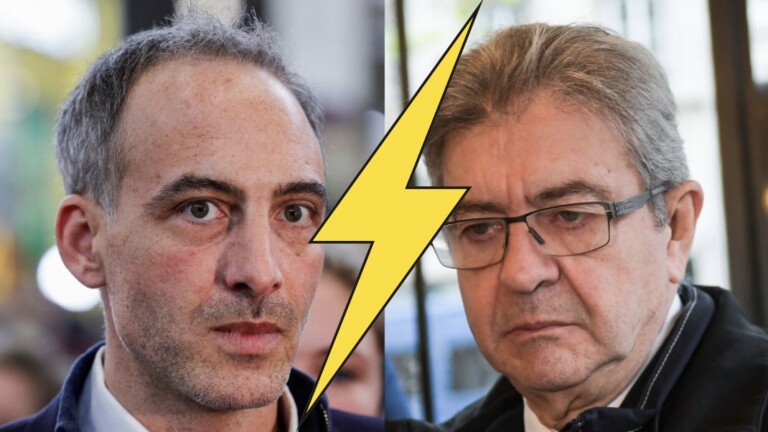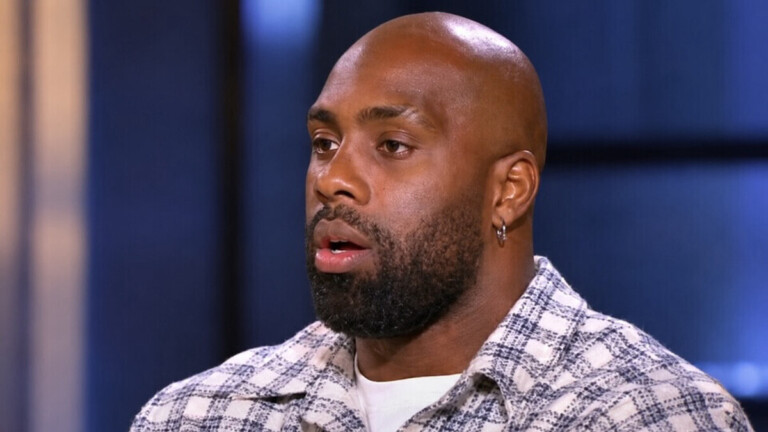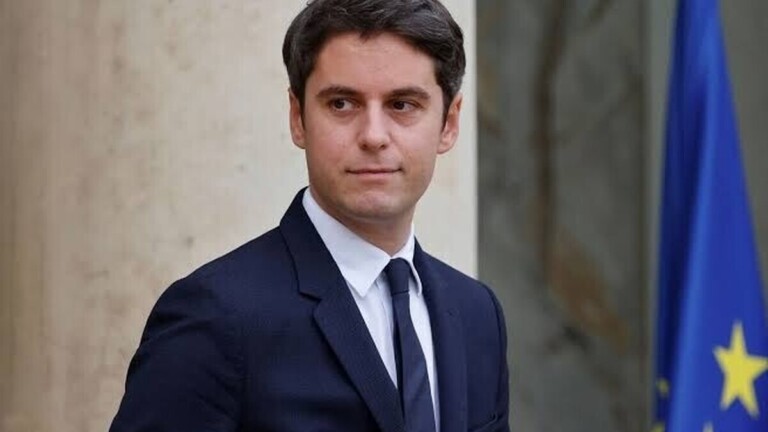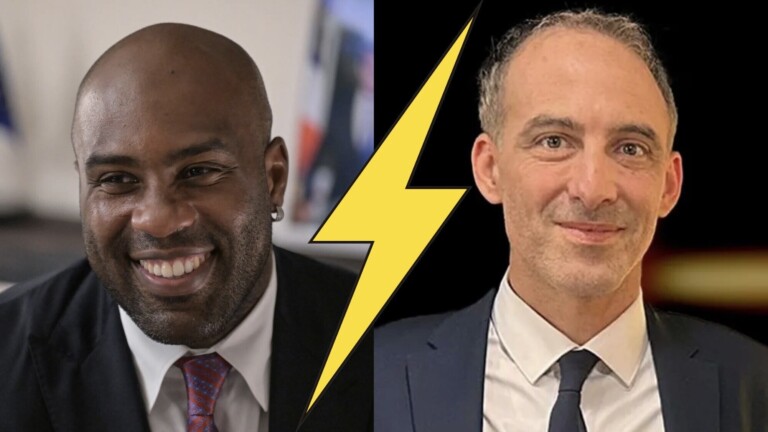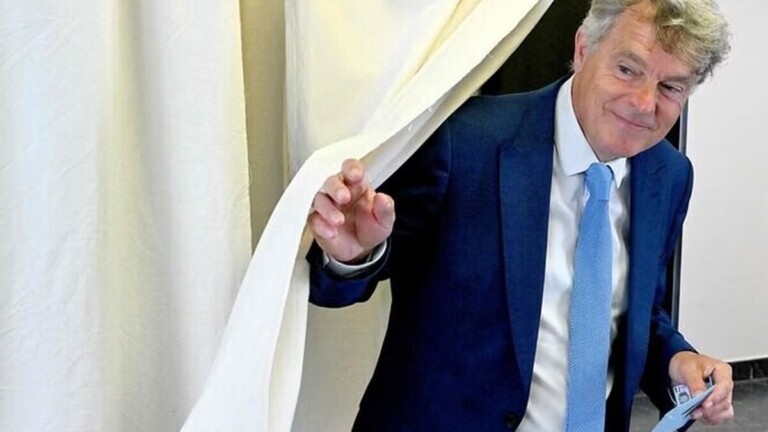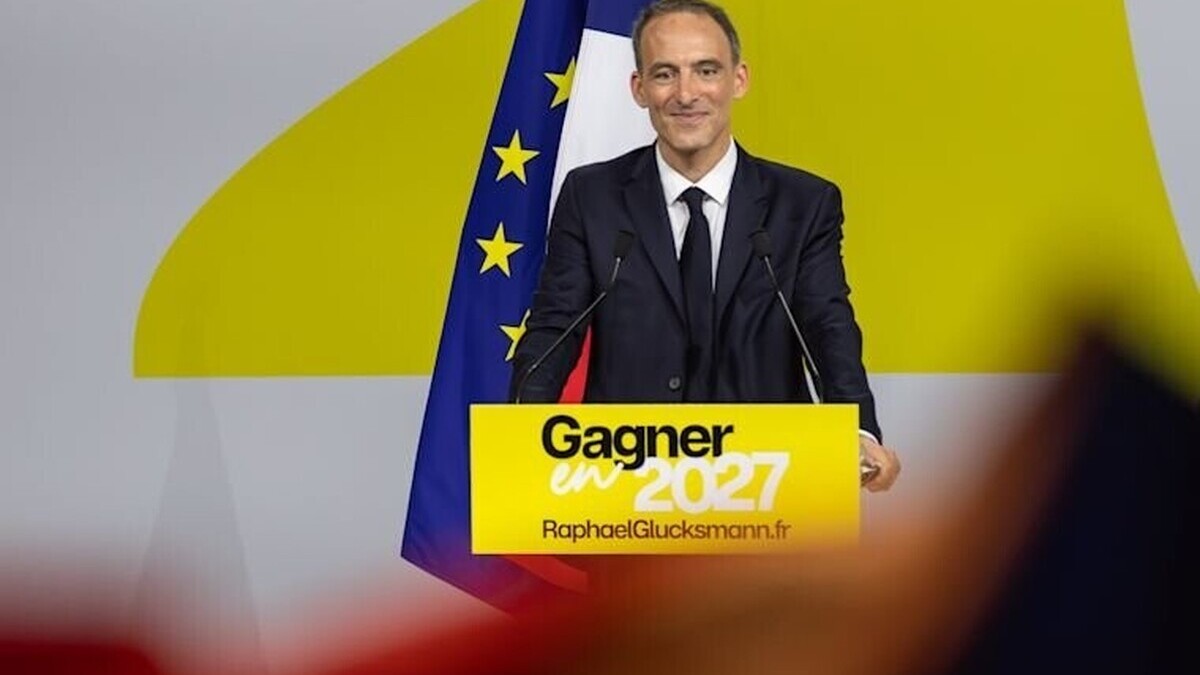
Raphaël Glucksmann won the social-democratic left primary on Sunday, October 11, in the first round with 66.13% of the votes. The president of Place publique overwhelmingly defeated Olivier Faure, who received only 14.46% of the votes, and officially becomes the candidate of the non-Mélenchonist left for the 2027 presidential election. A major victory for the MEP, who must now succeed in uniting a political family deeply divided over its relations with La France insoumise.
With 79,613 votes, Raphaël Glucksmann achieved a performance that goes beyond a simple electoral victory. While five candidates were competing, the MEP managed to win without a second round, after a campaign marked by strong tensions between the different sensitivities of the left. His main competitor, Olivier Faure, first secretary of the Socialist Party, finished far behind with 14.46% of the votes. The result constitutes a significant setback for the socialist leader, who advocated a different strategy regarding relations with Jean-Luc Mélenchon.
A clear victory, but a left still divided
The vote had nevertheless been surrounded by uncertainties. More than 140,000 people had registered to participate in the primary, a number higher than the organizers’ initial expectations. The consultation was also disrupted on Friday by a cyberattack targeting the electronic voting platform, leading to an extension of the vote until Sunday, October 11. Despite these difficulties, Raphaël Glucksmann obtained an absolute majority in the first round.
This victory confirms the central position taken by the president of Place publique in the social-democratic space. During the campaign, he defended a clear break with La France insoumise, refusing any new alliance with Jean-Luc Mélenchon. A position that opposed him to Olivier Faure, accused of maintaining ambiguity about future alliances, but also to other candidates who favored a broader unifying strategy.
The last televised debates gave rise to several particularly sharp clashes. Ségolène Royal notably accused Glucksmann of wanting to carry out a “hold-up on the PS,” while Jérôme Guedj and Olivier Faure clashed over the place to be given to LFI. These tensions ultimately did not prevent the MEP’s victory, but they could complicate the formation of a joint campaign team.
François Hollande and Jean-Luc Mélenchon, the next obstacles
Raphaël Glucksmann must now turn this internal success into national momentum. The first challenge will be to unite his four defeated competitors and their supporters, notably within the Socialist Party. The victory of the president of Place publique does not automatically mean the disappearance of the strategic divergences that crossed the primary.
Another obstacle could come from François Hollande. The former president of the Republic did not participate in the vote and continues to entertain the possibility of a personal candidacy. He indicated he wants to make his decision in December, depending on his ability to unite and the political usefulness of his possible entry into the race.
Finally, Raphaël Glucksmann will have to face competition from Jean-Luc Mélenchon, who is already running his own presidential campaign. The insoumis candidate relies on large popular rallies and a militant mobilization strategy, while Glucksmann intends to embody a social-democratic left distinct from LFI.
With 66.13% of the votes, Raphaël Glucksmann now has indisputable electoral legitimacy within the primary. But the real challenge begins: to unite a still fragmented non-Mélenchonist left, broaden his electorate beyond socialist sympathizers, and impose himself against other contenders for the Élysée. Seven months before the presidential election, his victory marks a decisive step, without guaranteeing the unity of his camp.