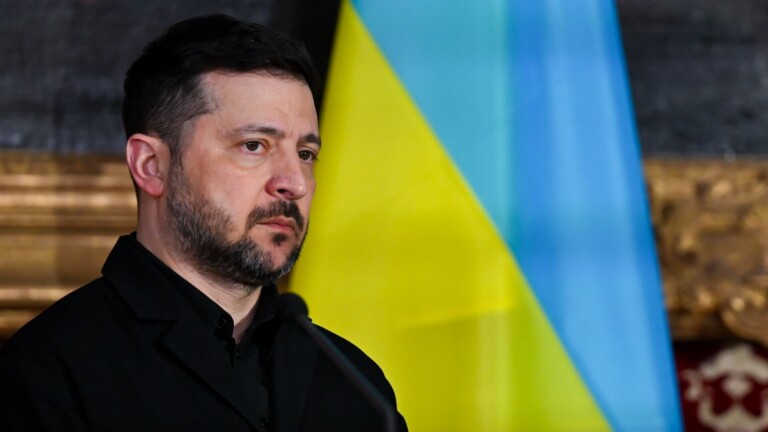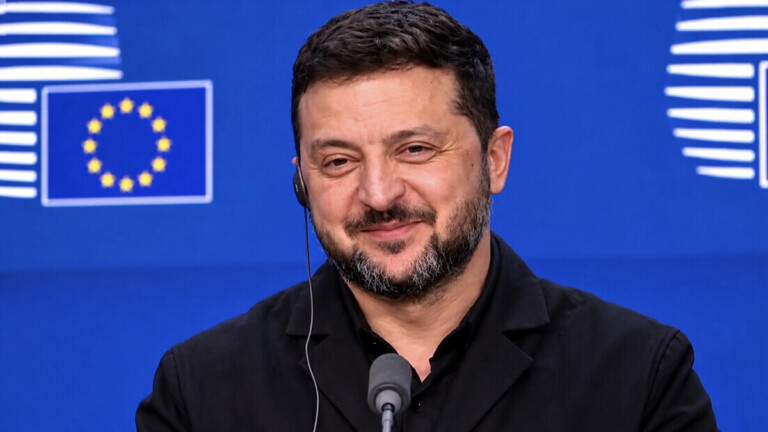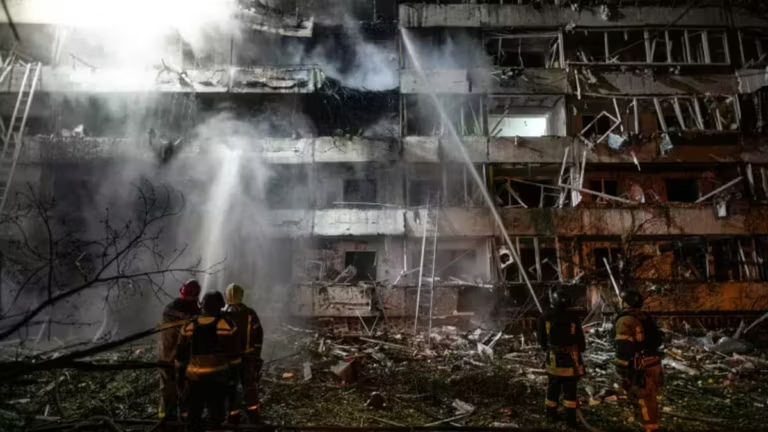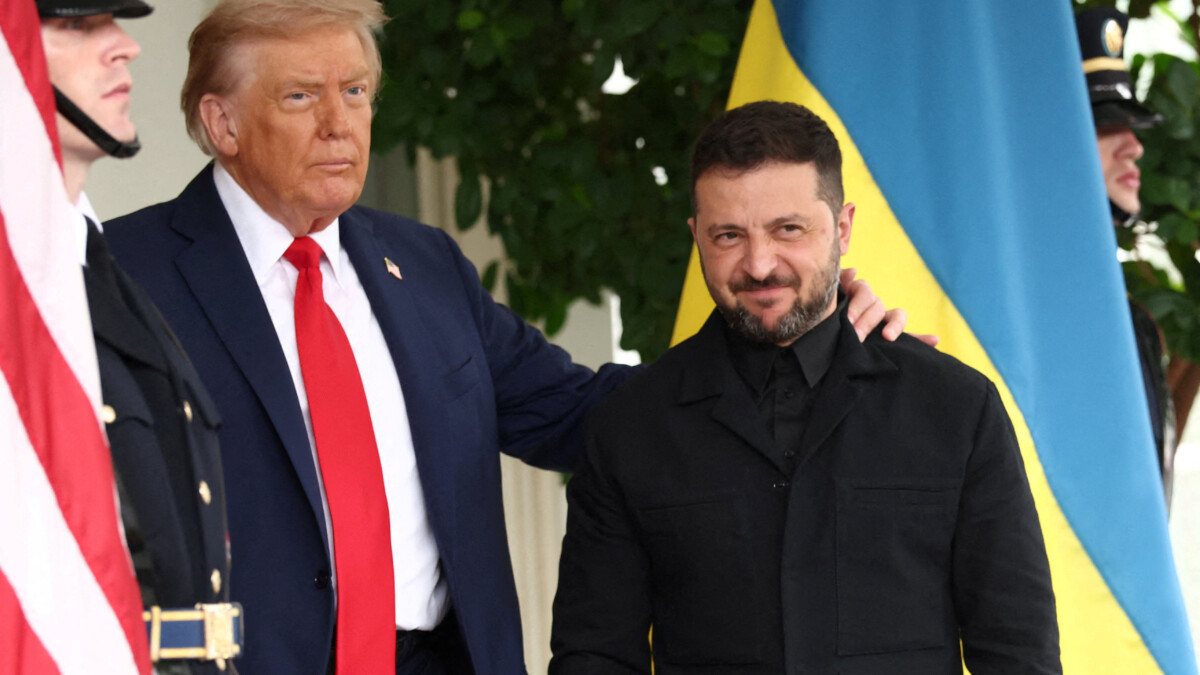
This is an announcement that would have seemed completely unlikely just a few months ago. Volodymyr Zelensky declared his willingness to provide Washington and its allies with his interceptor drone technology, while demanding in return essential American Patriot missiles for Ukraine’s defense. This proposal, described as a “fair deal” by the Ukrainian president, comes as Kyiv lacks these missiles and their stocks prove insufficient against aerial threats.
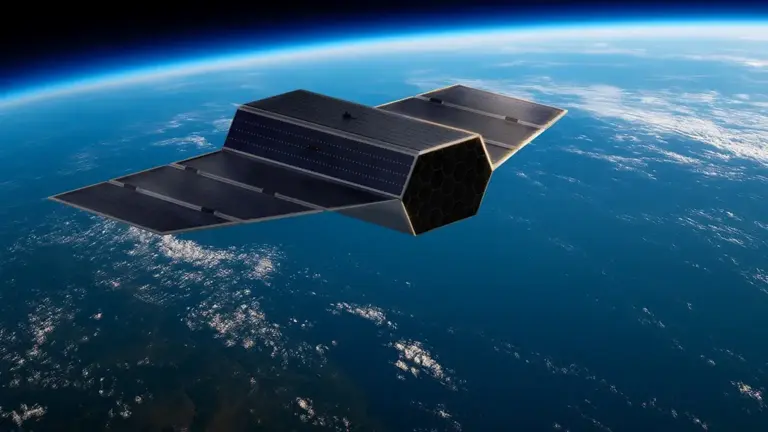
Kyiv has been contacted not only by the United States but also by Gulf countries, the United Kingdom, and other international partners seeking to benefit from Ukrainian expertise in counter-drone operations. Ukraine has developed inexpensive drone interceptors, which have been widely deployed to counter Shahed-type drones used by Russia in the Ukrainian conflict. These systems are considered a more economical alternative to Patriot missiles, whose unit cost is very high.
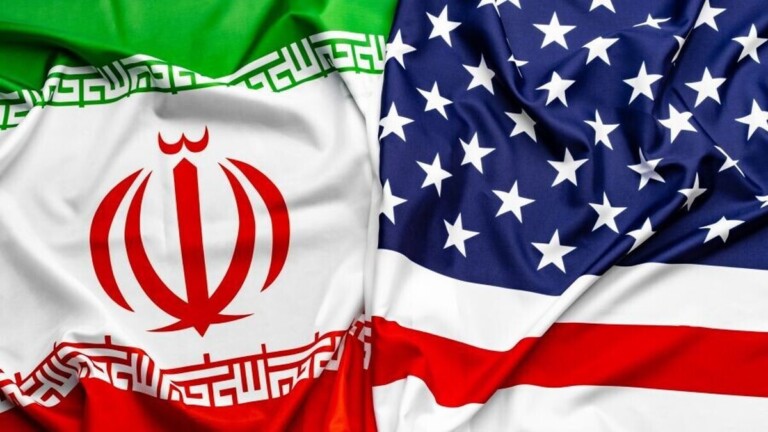
The Pentagon and at least one Gulf government are reportedly in separate talks with Kyiv to purchase these Ukrainian interceptors, aiming to strengthen their defenses amid increasing Iranian attacks. These discussions concern systems designed to neutralize Iranian-made drones now used in several theaters of operation, notably following recent American and Israeli strikes against Iran and Tehran’s counterattack in the region.
An economical solution
The core of the debate rests on defense economics: an Iranian Shahed-type drone costs about $30,000, while a Patriot PAC-3 missile used to intercept it can exceed $13 million per unit, according to estimates reported by several publications. This disparity widens the cost of traditional defenses when waves of inexpensive drones are launched in large numbers, notably putting Gulf countries under pressure to replenish their missile stocks while ensuring the security of their territories.
For Ukraine, the proposal is not limited to a simple technology transfer: Zelensky emphasized that any agreement must not weaken Ukraine’s own defense, given Kyiv’s critical needs amid the war with Russia. He advocated that this exchange should strengthen Ukraine’s defensive capacity while helping its partners face a similar type of threat.