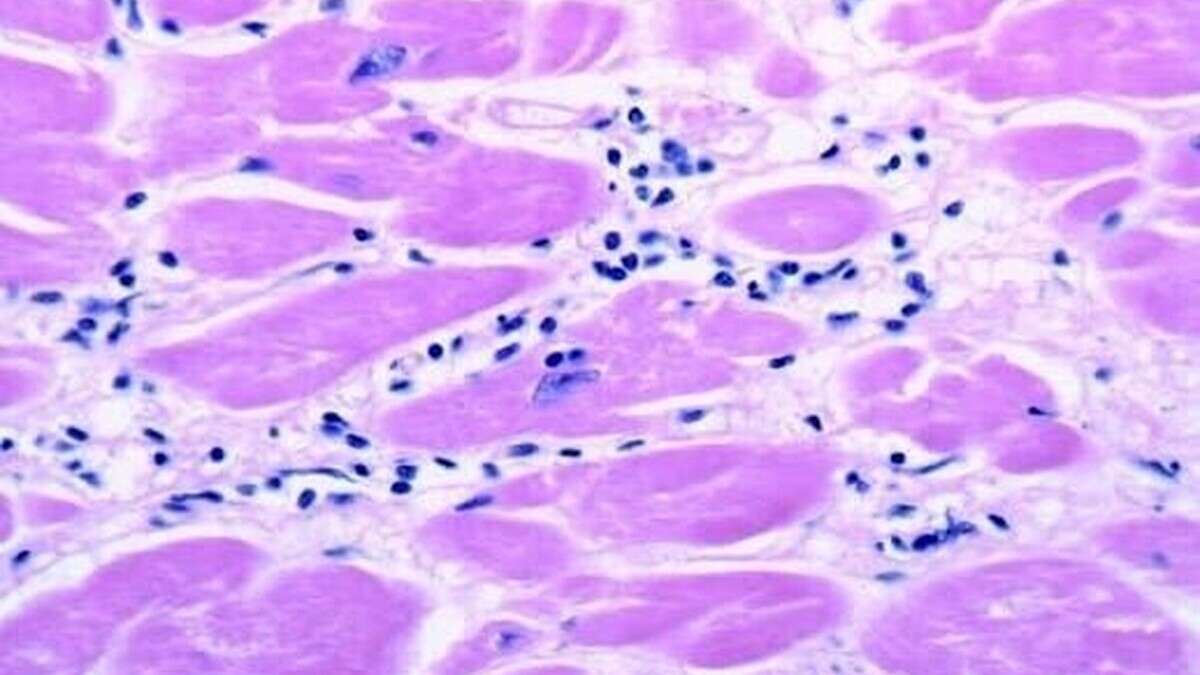
Chest pain, palpitations, unusual shortness of breath, or significant fatigue following an infection can sometimes be signs of myocarditis. This inflammation of the heart muscle affects people of all ages, including young adults with no prior history of cardiovascular disease. While some forms resolve spontaneously, others can cause severe heart failure or life-threatening arrhythmias.
Myocarditis is an inflammation of the myocardium, the muscle responsible for the heart's contractions. It can be caused by various factors, including viral infections, certain autoimmune diseases, or reactions to medications. The inflammation can result from direct damage to heart cells or from an overactive immune response. When the muscle cells are damaged, the heart may lose some of its ability to contract effectively, and its electrical activity may be disrupted. The severity of the disease varies considerably, ranging from almost asymptomatic forms to conditions requiring hospitalization in intensive care.
Chest pains that can resemble a heart attack
Symptoms sometimes appear a few days or weeks after a respiratory or digestive infection. Some patients experience chest pain, accompanied by unusual fatigue, palpitations, or shortness of breath on exertion. Others experience dizziness, a rapid heartbeat, or a significant decrease in their physical abilities. When the inflammation also affects the pericardium, the membrane surrounding the heart, the pain may vary depending on body position or worsen with deep breathing. These symptoms can resemble those of a myocardial infarction (heart attack), making prompt medical evaluation essential.
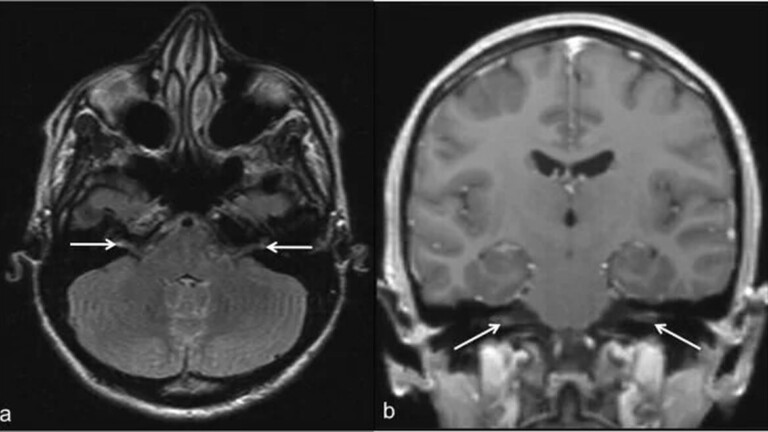
Diagnosis relies on several additional tests. An electrocardiogram (ECG) can detect electrical abnormalities, while a blood test may reveal an increase in troponin, a protein released when heart cells are damaged. An echocardiogram (ECG) assesses the heart's ability to contract. Cardiac MRI also plays a crucial role, as it can reveal signs of inflammation and muscle damage. In some severe or atypical cases, a myocardial biopsy may be necessary to determine the cause of the disease and guide treatment.
The temporary suspension of sport, an essential measure
Treatment depends primarily on the severity of the cardiac involvement. In mild cases, medical monitoring and limiting physical exertion may suffice. When myocarditis leads to heart failure, medications to improve heart function and reduce its workload may be prescribed. Some patients with arrhythmias require hospital monitoring. In fulminant cases, temporary circulatory support may sometimes be necessary to maintain blood flow to the organs. Immunosuppressive treatments are reserved for certain specific causes of myocarditis.
Resuming sports activities requires careful attention. Strenuous physical activity during the inflammatory phase can increase the risk of cardiac complications, particularly arrhythmias. Patients should therefore temporarily refrain from strenuous activity and wait for their cardiologist's approval before gradually resuming sports. The duration of this break depends on the severity of the illness, the resolution of inflammation, and the results of follow-up examinations. Even after symptoms have disappeared, some scarring may persist and require ongoing monitoring.
Many people with myocarditis regain normal heart function after several weeks or months. However, some forms can progress to chronic cardiomyopathy or leave lasting damage. Chest pain, unusual shortness of breath, or persistent palpitations after an infection should therefore not be ignored. In case of severe chest pain, loss of consciousness, or significant difficulty breathing, emergency services should be called immediately. Myocarditis serves as a reminder that even a previously healthy heart can be weakened by an inflammatory reaction.