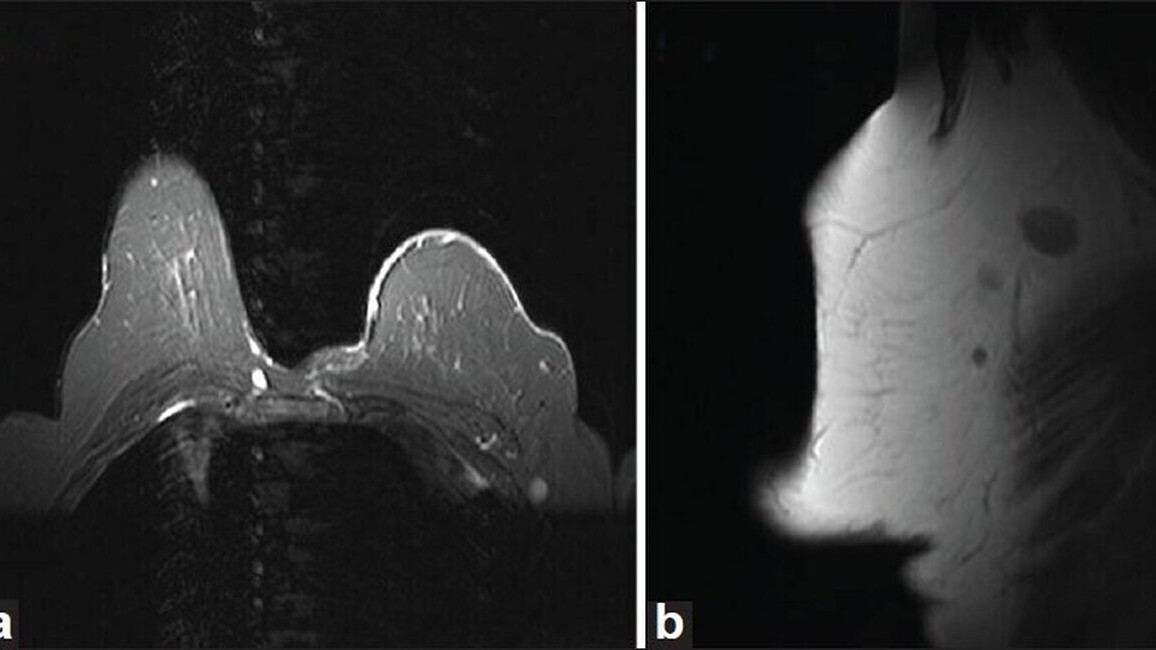
Persistent nipple redness, itching, crusting, or irritation that doesn't subside despite dermatological treatments can sometimes indicate Paget's disease of the nipple. This rare form of breast cancer primarily manifests as skin abnormalities. Its relatively innocuous appearance can delay diagnosis, even though it is frequently associated with a tumor located deeper within the breast.
Paget's disease of the nipple is characterized by the presence of cancerous cells in the epidermis of the nipple and sometimes the areola. In most cases, these cells originate from cancer that developed in the mammary ducts and gradually spread to the skin's surface. The disease may be associated with ductal carcinoma in situ, confined to the ducts, or with invasive cancer that can spread to surrounding tissues. It primarily affects women after menopause, but can also occur in younger women and, much more rarely, in men. It should not be confused with Paget's disease of bone, which is a completely different condition.
Nipple irritation that persists despite treatment
The first signs often resemble those of a benign skin condition. The nipple may become red, scaly, crusty, or persistently itchy. A burning sensation, sometimes bloody discharge, or a change in the shape of the nipple may also occur. Unlike some forms of eczema, Paget's disease usually affects only one breast and begins at the nipple before eventually spreading to the areola. Some patients also have a palpable lump in the breast, but its absence does not rule out the possibility of underlying cancer.
Diagnosis is based on a clinical examination and a biopsy of the affected skin area. Analysis of the biopsy allows for the detection of cancerous cells characteristic of the disease. A mammogram and breast ultrasound are generally performed to identify any tumors located deeper within the skin. In some cases, a breast MRI may be used to complete the assessment, particularly when initial examinations do not allow for precise localization of the lesions. Temporary improvement of irritation with dermatological treatment is not sufficient to rule out the disease if symptoms persist or recur.
Treatments tailored to the extent of the cancer
Treatment primarily relies on surgery. Depending on the extent of the lesions and the characteristics of the associated cancer, a breast-conserving procedure removing the nipple, areola, and affected tissues may be considered, usually followed by radiation therapy. When the lesions are more extensive, a mastectomy may be necessary. Lymph node assessment depends, in particular, on the possible presence of invasive cancer. Adjunctive treatments, such as chemotherapy, hormone therapy, or certain targeted therapies, are determined based on the biological characteristics of the underlying tumor.
The prognosis depends primarily on the type of associated cancer, its extent, and whether the lymph nodes are involved. When the disease is diagnosed at an early stage, the treatment outlook is generally more favorable. Regular medical follow-up remains necessary after treatment to monitor for any recurrence and to support patients in their recovery. Breast reconstruction or nipple reconstruction may also be offered, depending on the procedures performed and the patient's wishes.
Most nipple irritations are fortunately linked to benign causes, such as allergic reactions, friction, or eczema. However, a persistent lesion affecting only one nipple, particularly when accompanied by crusting, bleeding, or a change in its appearance, warrants a medical consultation. Paget's disease serves as a reminder that breast cancer does not always present as a palpable lump and that certain skin abnormalities can be the first signs of a tumor.