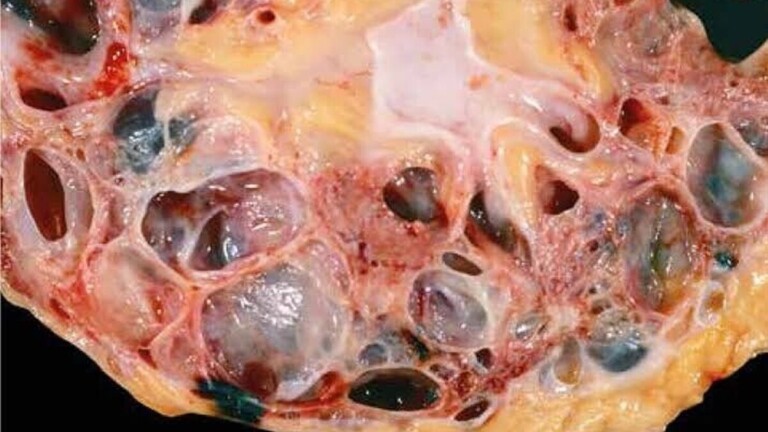
Persistent fatigue, bone pain, frequent bruising, or a feeling of heaviness in the abdomen: these symptoms can sometimes indicate Gaucher disease. This rare genetic disorder leads to the accumulation of certain fatty substances in the body's cells. While its manifestations vary considerably from patient to patient, it can cause serious complications if left untreated.
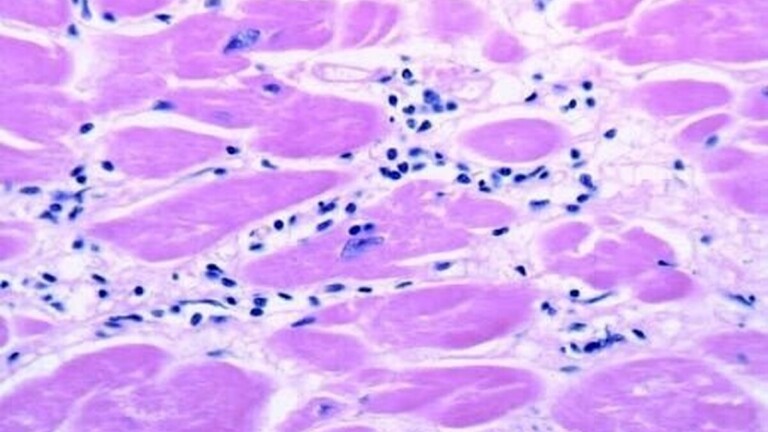
Gaucher disease belongs to the family of lysosomal storage disorders. It is caused by abnormalities in the GBA1 gene, which is responsible for producing an enzyme called glucocerebrosidase. This enzyme normally plays a role in the breakdown of certain lipid molecules. When it malfunctions, these substances accumulate primarily in immune cells called macrophages, which can then infiltrate various organs, including the spleen, liver, and bone marrow. The disease is inherited in an autosomal recessive manner, meaning that an affected individual typically inherits one altered copy of the gene from each parent.
Bone pain that is sometimes particularly debilitating
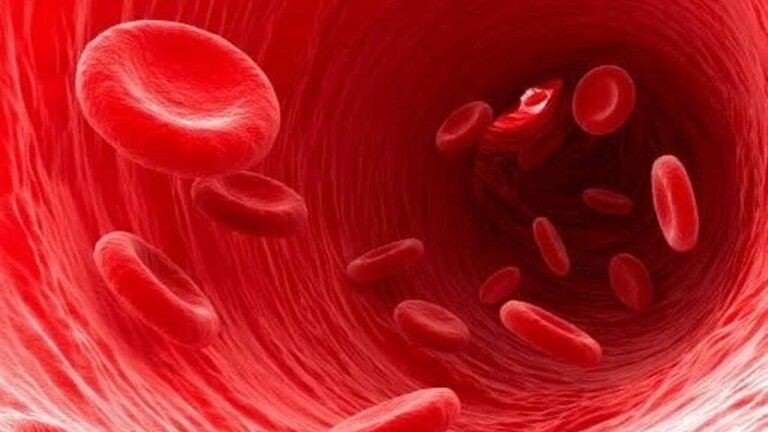
The most common form, called Gaucher disease type 1, can appear in childhood or adulthood. An enlarged spleen and liver are characteristic signs and can cause a feeling of bloating or rapid satiety. A decrease in the number of red blood cells can lead to anemia, causing fatigue and shortness of breath, while a drop in the number of platelets makes bruising and bleeding easier. Some patients also experience chronic bone pain, skeletal fragility, or acute painful episodes that may require hospitalization.
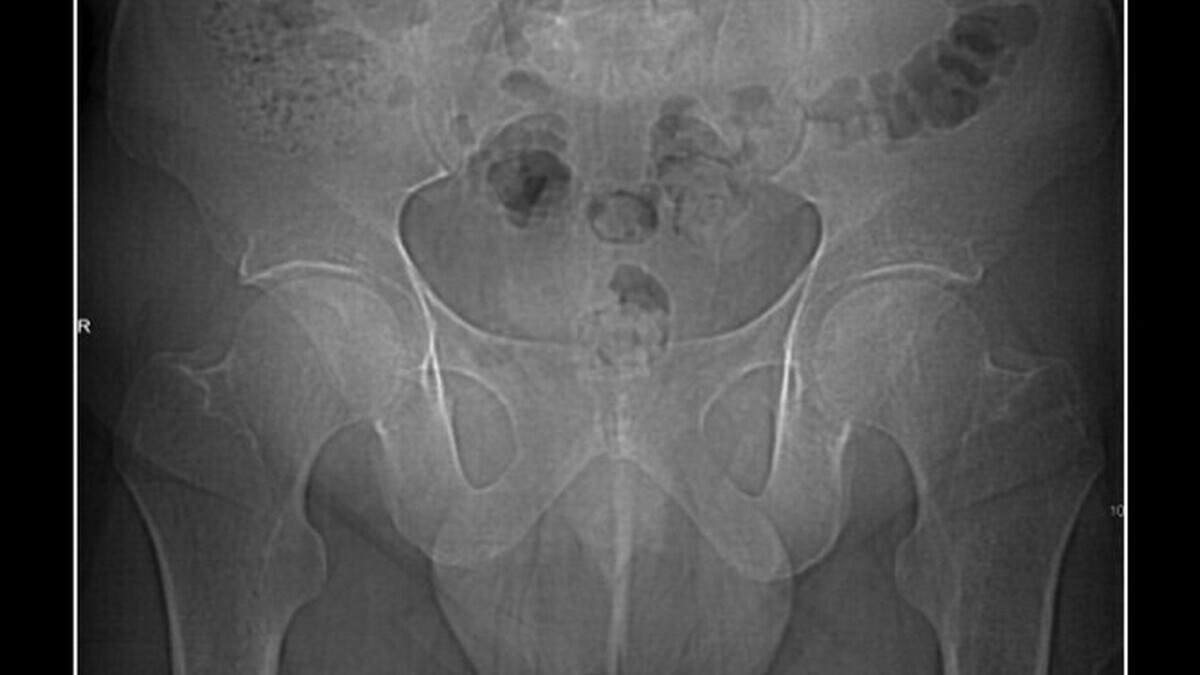
Bone complications can be particularly debilitating. The accumulation of abnormal cells in the bone marrow can disrupt bone structure and contribute to fractures or injuries related to poor blood supply. There are also rarer forms, known as types 2 and 3, which are accompanied by neurological involvement of varying severity. Diagnosis relies primarily on measuring glucocerebrosidase activity and genetic analysis to identify abnormalities in the GBA1 gene. Blood tests and imaging then allow for the assessment of affected organs and the extent of the damage.
Treatments capable of reducing certain manifestations of the disease
The advent of enzyme replacement therapy has profoundly changed the management of Gaucher disease. This treatment involves regularly administering a functional version of the deficient enzyme to reduce the accumulation of substances responsible for the lesions. It notably improves certain blood parameters, reduces the size of the spleen and liver, and limits some bone complications. Oral medications designed to reduce the production of substances that accumulate in cells may also be offered to some patients. However, these treatments remain insufficient to correct the neurological manifestations of the neuropathic forms of the disease.
Management requires specialized monitoring, particularly to assess bone density, blood parameters, and the progression of the affected organs. Some patients with mild symptoms may benefit from monitoring without immediate treatment, while others require prolonged care. Genetic counseling may also be offered to families to better understand the modes of transmission of the disease. The course of the disease remains highly variable, even among individuals within the same family.
Gaucher disease remains rare, and its symptoms can be confused with those of many other conditions. However, the combination of an unexplained enlargement of the spleen, a decrease in platelets, and persistent bone pain may lead doctors to investigate this disease. Early diagnosis allows for treatment to be initiated, when necessary, before irreversible damage develops. Therapeutic advances have thus considerably improved the outlook for many patients with this genetic disorder.