Long considered a primarily male condition, obstructive sleep apnea also affects many women. Sometimes different symptoms, a lack of awareness of female risk factors, and misconceptions still contribute to delayed diagnosis, with potentially significant consequences for their health.
Obstructive sleep apnea-hypopnea syndrome (OSAHS) is characterized by repeated interruptions or reductions in breathing during the night, caused by an obstruction of the upper airways. These episodes lead to a decrease in blood oxygenation and multiple micro-awakenings, generally imperceptible to patients. While men are generally twice as likely to be affected as women, this difference tends to disappear after menopause, primarily due to the hormonal and physiological changes that accompany this stage of life.
In women, the disease often presents with less characteristic signs. While loud snoring and breathing pauses are frequently identified symptoms in men, female patients more often experience chronic fatigue, insomnia, morning migraines, difficulty concentrating, or mood swings. These symptoms can be mistakenly attributed to stress, depression, or hormonal fluctuations. According to research presented by the French-Language Respiratory Society in February 2026, with comparable symptoms, the diagnosis is made in 25% of men compared to only 14% of women.
Potentially serious cardiovascular consequences
Beyond the deterioration of sleep quality, the lack of treatment exposes patients to significant medical complications. Obstructive sleep apnea, in particular, increases the risk of high blood pressure, stroke, heart rhythm disorders, and heart failure. It is also frequently associated with type 2 diabetes and various metabolic imbalances. Furthermore, persistent fatigue and decreased alertness can affect professional life, social relationships, and driving safety.
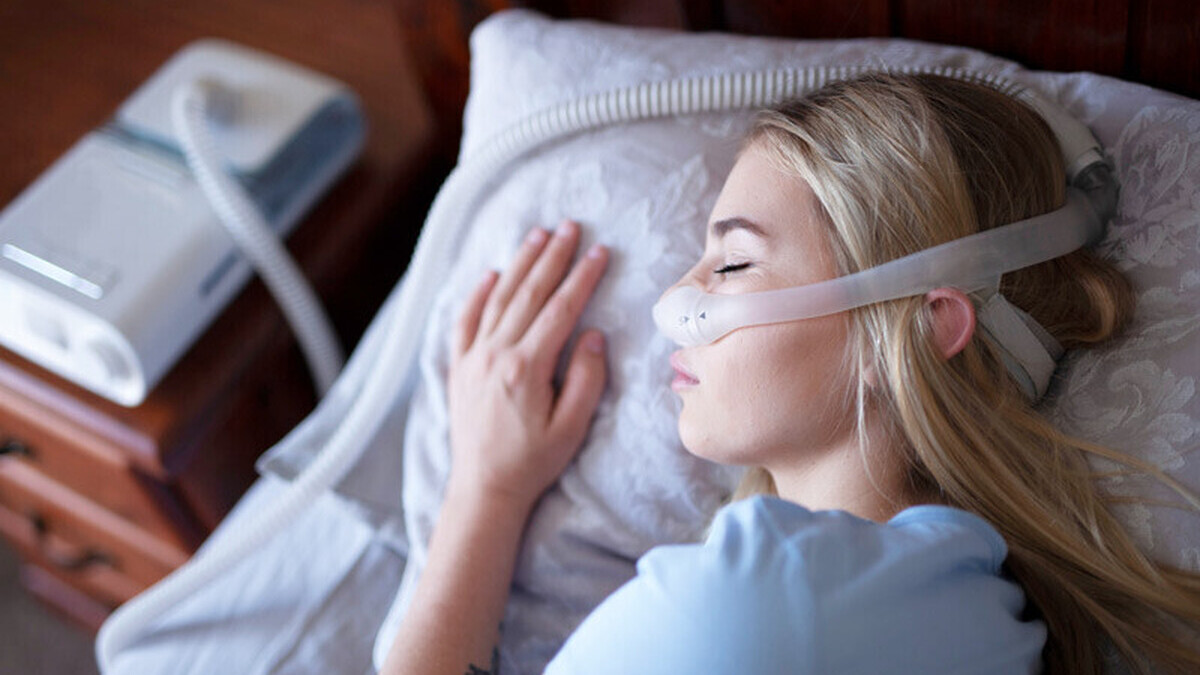
Diagnosis relies on a sleep study, which measures the frequency of breathing disturbances and assesses the severity of the condition. Several treatment options exist, including continuous positive airway pressure (CPAP) therapy, mandibular advancement devices, and lifestyle modifications. Greater awareness among healthcare professionals regarding the specific characteristics of this condition in women is essential to reduce diagnostic delays. Unexplained fatigue, repeated nighttime awakenings, or persistently unrefreshing sleep should prompt a consultation with a doctor.
Sources cited in the article Société de pneumologie de langue française