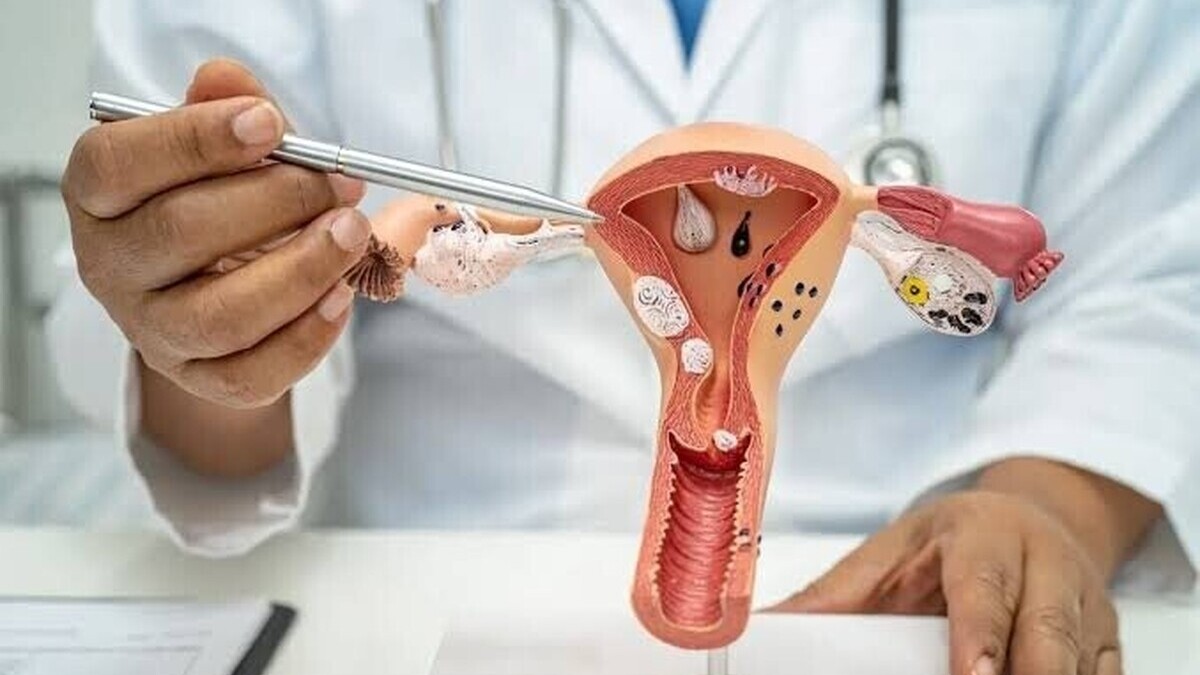
Lower abdominal pain, fever, unusual vaginal discharge, or abnormal bleeding: these symptoms may indicate endometritis, an inflammation of the lining of the uterus. Often caused by an infection, this condition can occur after childbirth or certain gynecological procedures. Prompt treatment usually prevents complications.
Endometritis is an inflammation of the endometrium, the lining of the uterus that regenerates during the menstrual cycle. In its acute form, it is usually caused by a bacterial infection. It can occur after childbirth, particularly after a cesarean section, but also following a miscarriage, a termination of pregnancy, or certain procedures performed within the uterine cavity. In other situations, it may be associated with an ascending genital infection, notably a sexually transmitted infection. Endometritis should not be confused with endometriosis, a chronic condition in which tissue similar to the endometrium grows outside the uterus.
Pelvic pain that may be accompanied by fever
Symptoms vary depending on the origin and severity of the infection. Lower abdominal pain, uterine tenderness during a gynecological exam, and fever are common signs in acute cases. Foul-smelling vaginal discharge, unusual bleeding, or a general decline in health may also occur. After childbirth, the combination of fever and uterine pain should be of particular concern, as an infection can progress rapidly. Some chronic forms, however, are much more subtle and may be discovered during a gynecological examination, particularly in cases of infertility.
The diagnosis is based primarily on a medical examination and the context in which the symptoms appeared. The doctor will look for signs of infection following childbirth or surgery, as well as any signs of an upper genital tract infection. Microbiological tests, blood work, or a pelvic ultrasound may be performed depending on the situation. Imaging can help identify complications or other causes of the pain. In some chronic cases, an endometrial biopsy may be necessary to confirm the inflammation and determine its characteristics.
Antibiotics to prevent complications
Treatment of infectious forms relies primarily on antibiotics, tailored to the likely cause and severity of the infection. After childbirth, febrile endometritis may require hospitalization and intravenous antibiotics. When the infection is associated with pelvic inflammatory disease, appropriate management must also consider the potentially responsible infectious agents. In certain situations, particularly when a sexually transmitted infection is identified, evaluation and treatment of partners may be necessary.
The primary concern is to prevent the infection from spreading to surrounding tissues or causing a systemic infection. In severe cases, an infectious complication may require urgent management. Certain chronic inflammatory conditions of the endometrium are also being studied for their possible association with fertility problems or embryo implantation failure, although the mechanisms and benefits of certain therapeutic strategies remain debated depending on the specific circumstances.
Endometritis should not be confused with ordinary menstrual pain. While temporary pelvic discomfort can have many benign causes, persistent pain accompanied by fever, unusual discharge, or abnormal bleeding warrants a medical consultation. These symptoms should be reported promptly after childbirth or gynecological procedures. When identified and treated early, acute endometritis generally has a favorable outcome, highlighting the importance of not dismissing signs of uterine infection.