

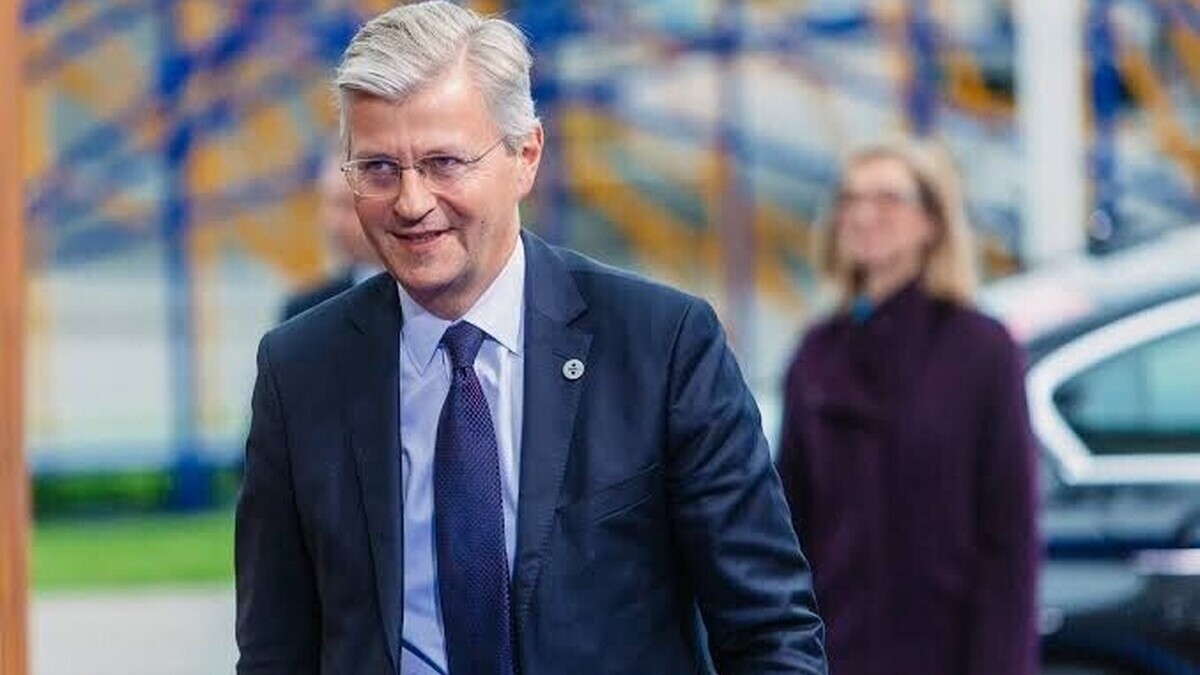
Jean-Pierre Lacroix, United Nations Under-Secretary-General for Peace Operations, sounds the alarm on the growing polarization of the international community and its direct consequences on the deployment of the Blue Helmets worldwide.
The dissolution of MINURSO, the UN mission in Western Sahara, has highlighted a reality that Jean-Pierre Lacroix does not seek to hide: global peacekeeping is going through a period of deep turbulence. The senior UN official, who oversees the ten peace operations still active on the planet, paints a worrying picture of the state of multilateralism.
At the heart of the diagnosis are the divisions within the UN Security Council. According to Lacroix, the international community is « even more polarized » than in recent years, making any collective decision more laborious, even impossible in some cases. This institutional paralysis directly affects the United Nations’ ability to deploy, maintain, or adapt their missions on the ground.
The head of the Blue Helmets calls for resources commensurate with the ambitions expressed by the organization. A call that resonates as a warning: without sufficient resources or political unity within the UN’s executive body, peace operations risk becoming increasingly out of sync with the crises they are supposed to manage.
The winding down of MINURSO, a mission created in 1991 to oversee the ceasefire and organize a self-determination referendum in Western Sahara, concretely illustrates this dynamic. Its dismantling occurs without the territorial conflict between Morocco and the Polisario Front having found resolution, a sign that traditional peacekeeping tools struggle to adapt to enduring political deadlocks.



Respond to the article
Be the first to comment on this article.