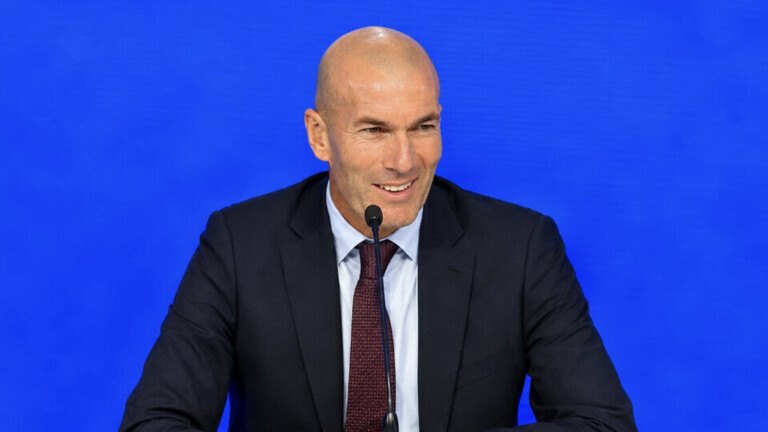
Zinedine Zidane has returned to the forefront with the French national team. Having become manager of Les Bleus this summer, the former number 10 has just completed his first international break with three wins and a draw, culminating Monday night in a spectacular 4-1 victory against Belgium at the Stade de France. His return to Saint-Denis confirmed that, 20 years after the end of his playing career, his popularity remains undiminished. A tifo bearing his image, a banner "Welcome home"“Zizou” chanted by the public: the 1998 world champion remains a huge popular figure in France.
This is a good opportunity to remember that this popularity also made Zidane a formidable advertising machine. Leader Price, Dior, Adidas, CanalSatellite, Volvic, Ford, Orange, Audi, Danone, Generali, GrandOptical, Louis Vuitton… For more than two decades, “Zizou” lent his face to brands with completely different worlds. Some campaigns tell incredible stories: Dior discovered him thanks to Leader Price, Ford hid its own name to build suspense, Orange ended up publicly regretting a very expensive advertisement, and Generali dared to turn his headbutt from the 2006 World Cup final into a slogan. Zidane has sold almost everything to the French.
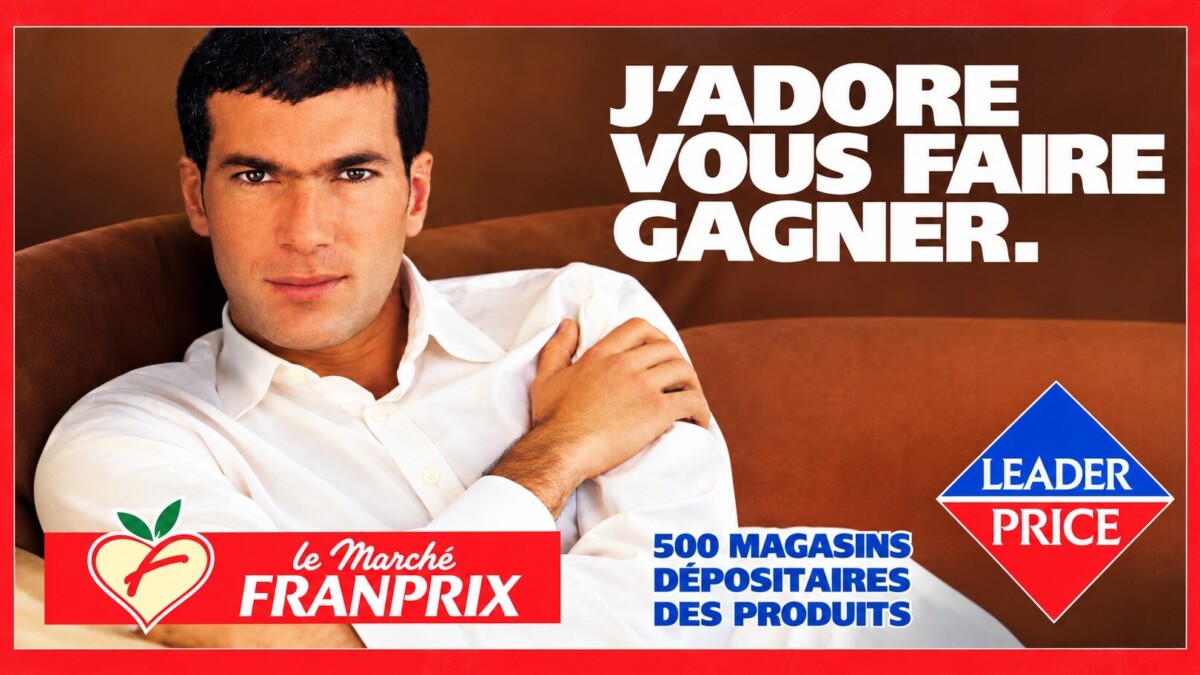
Leader Price: Before luxury goods, Zidane sold packs of milk
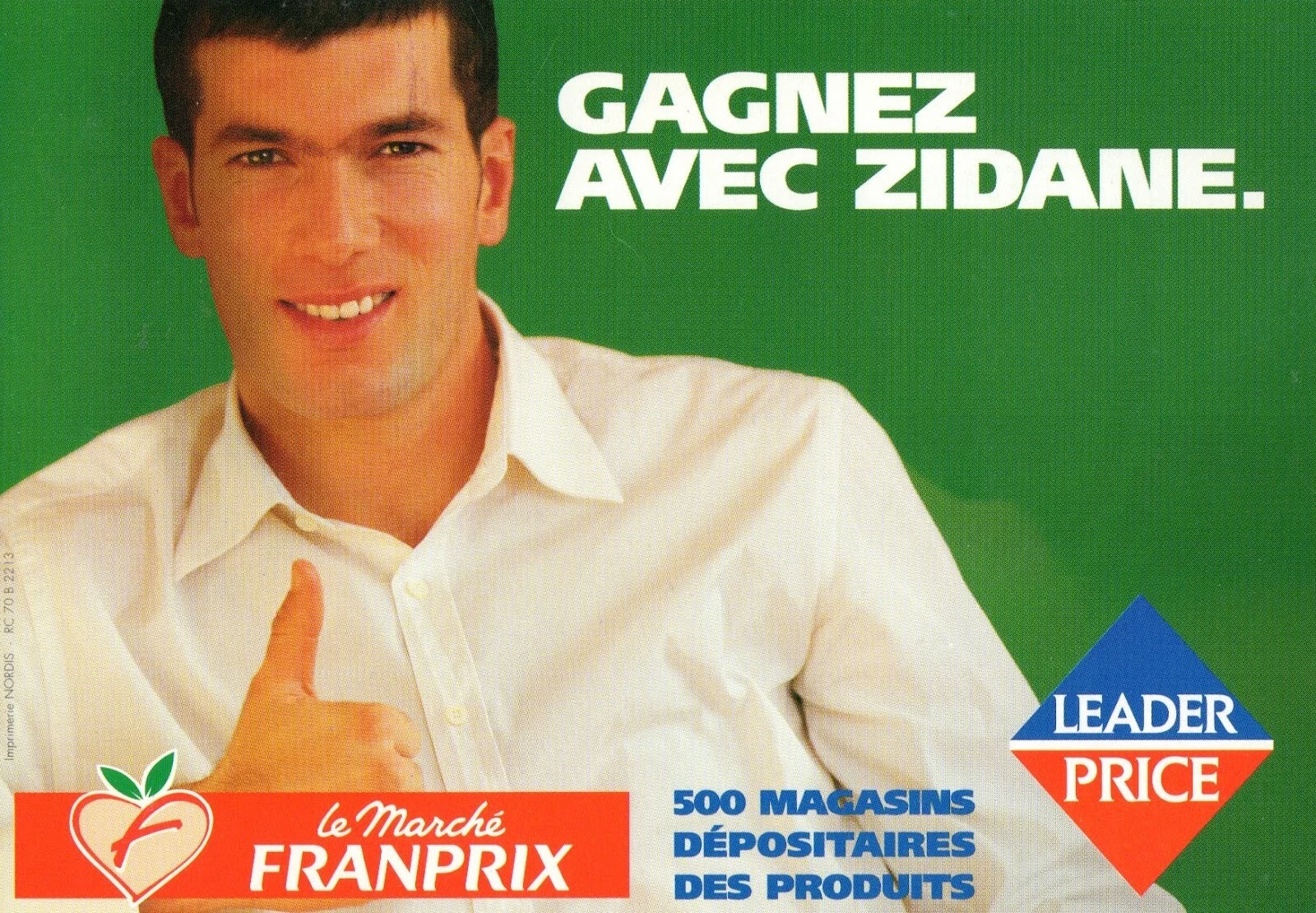
Back in 1998. Before becoming an international icon, Zidane lent his image to Leader Price. The future world champion was still far from the global luxury campaigns with which his face would later be associated.
This advertisement, however, would trigger one of the most surprising changes in his career as a brand ambassador. It was seeing Zidane on Leader Price posters that caught the attention of Christian Dior's perfume director. The footballer, promoting the products of a discount chain, would thus find himself, a few months later, associated with one of the most prestigious French fashion houses.
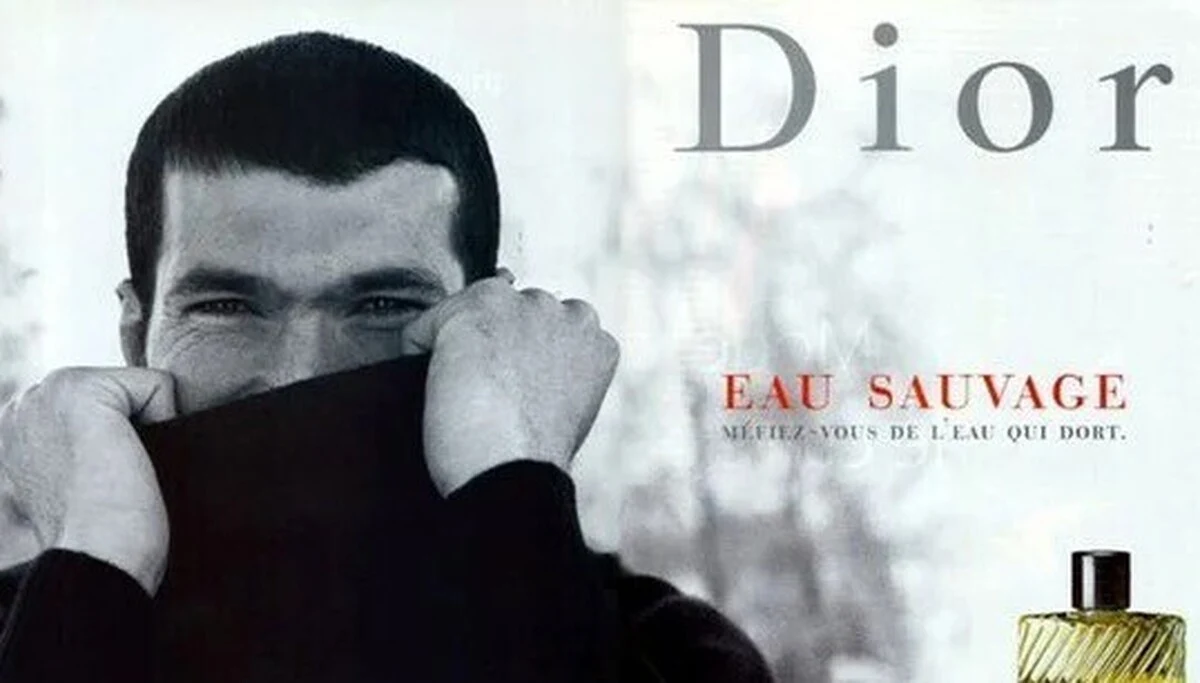
Dior: spotted thanks to Leader Price
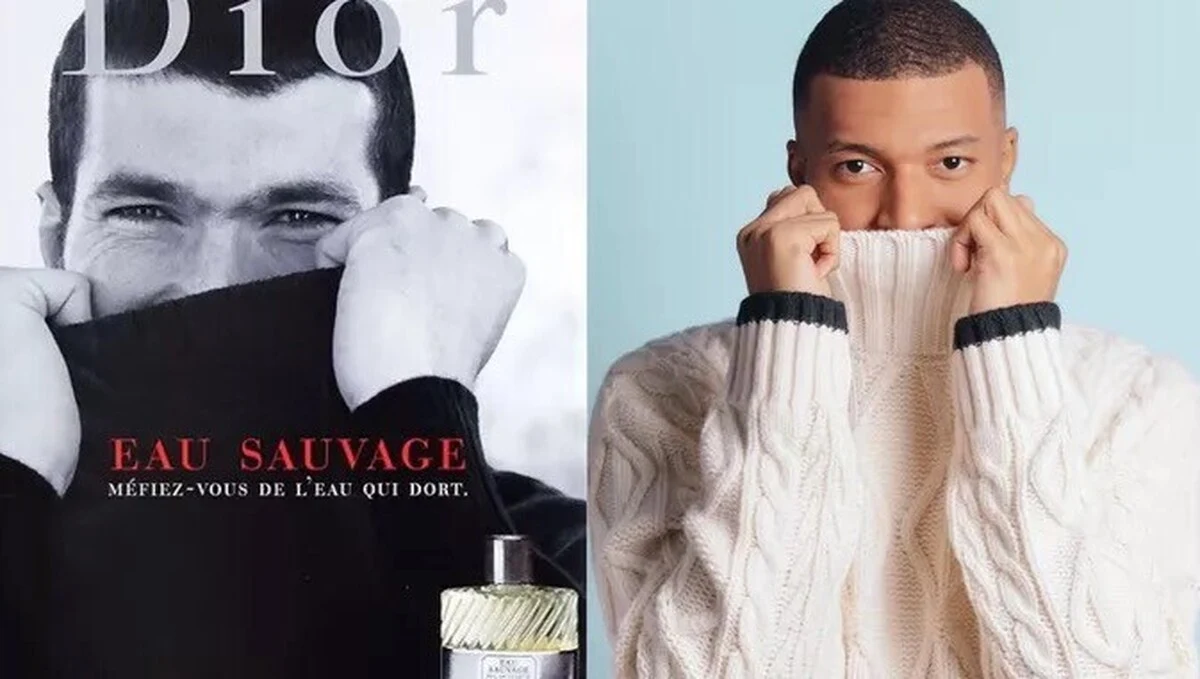
The contrast is striking. Zidane becomes the face of Dior's Eau Sauvage, appearing with a black sweater pulled up over the lower part of his face, revealing only his eyes. The campaign plays on his reserved nature and uses a now-famous slogan: "Beware of still waters."
Zidane reportedly received around 2 million francs, or just over €300,000, for this campaign. The anecdote is particularly amusing: one of his most prestigious advertisements came about because a Dior executive noticed his face in a Leader Price ad. Having won the World Cup a few months prior, Zidane could now move seamlessly from discount to luxury brands without losing his immense popularity.
Nearly three decades later, this popularity remains undiminished. The unassuming player of 1998 has become one of the most instantly recognizable French personalities.
Incredible anecdote: a few decades later, the brand would revive the concept with a certain Kylian Mbappé…
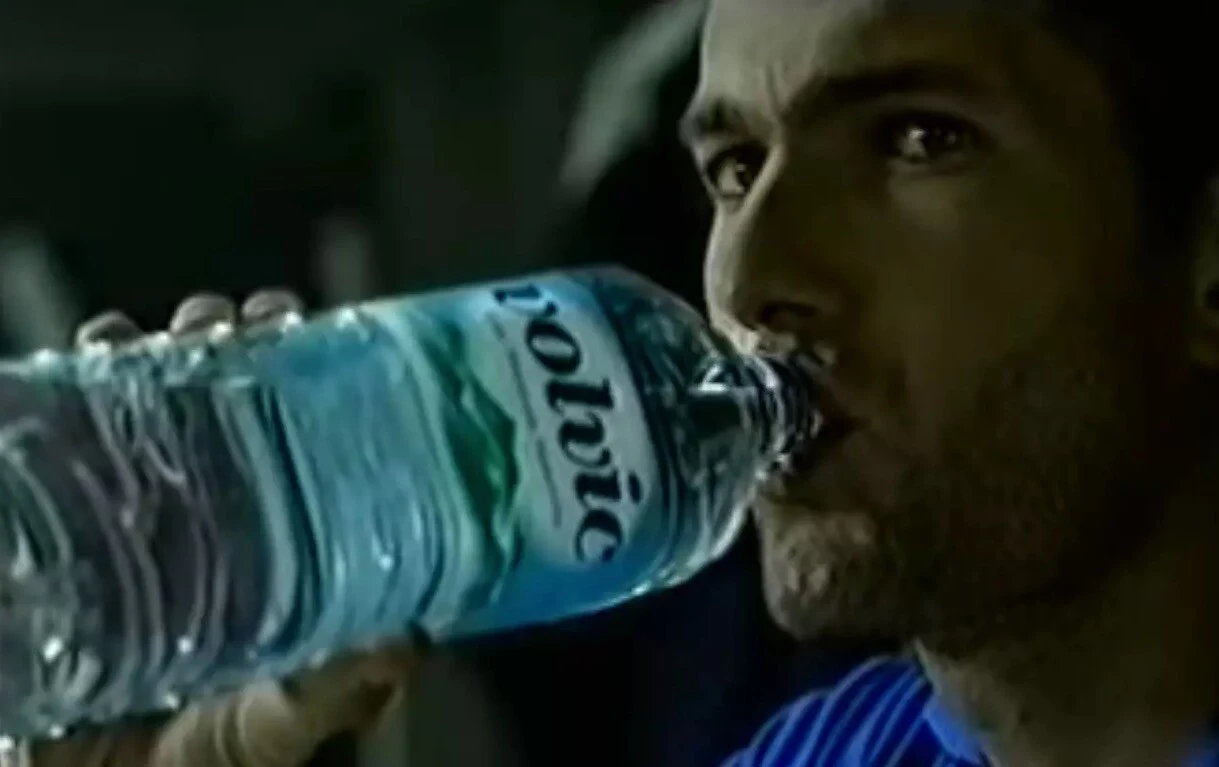
Volvic: "First the left leg, always"
In 2000 came what is probably Zidane's most famous advertisement. No spectacular setting: the French international is simply seated in a locker room before a match and recounts his preparation ritual in that calm voice that has become instantly recognizable.
"It's always the same gestures. First the left leg, always. Sock, shoe. Then the right leg. Then a sip of Volvic, always." A few words were enough to create an advertisement that would remain associated with Zidane for more than 20 years.
The ad was broadcast during Euro 2000, which France won, and was directed by Stéphane Meunier, already known for Les Yeux dans les Bleus , the documentary filmed at the heart of the French team during the 1998 World Cup. Volvic thus succeeded in recapturing in an advertisement the image of Zidane that the French know: discreet, methodical and entirely focused on football.
The advertisement made such a strong impression that Volvic revived the concept 23 years later. In 2023, before the Rugby World Cup held in France, Antoine Dupont recreated the ritual and adopted the style of Zidane's commercial. An advertising campaign over two decades old thus became recognizable enough to be reused for a new generation.
Ford: 13,000 Zidane posters without saying what they're selling
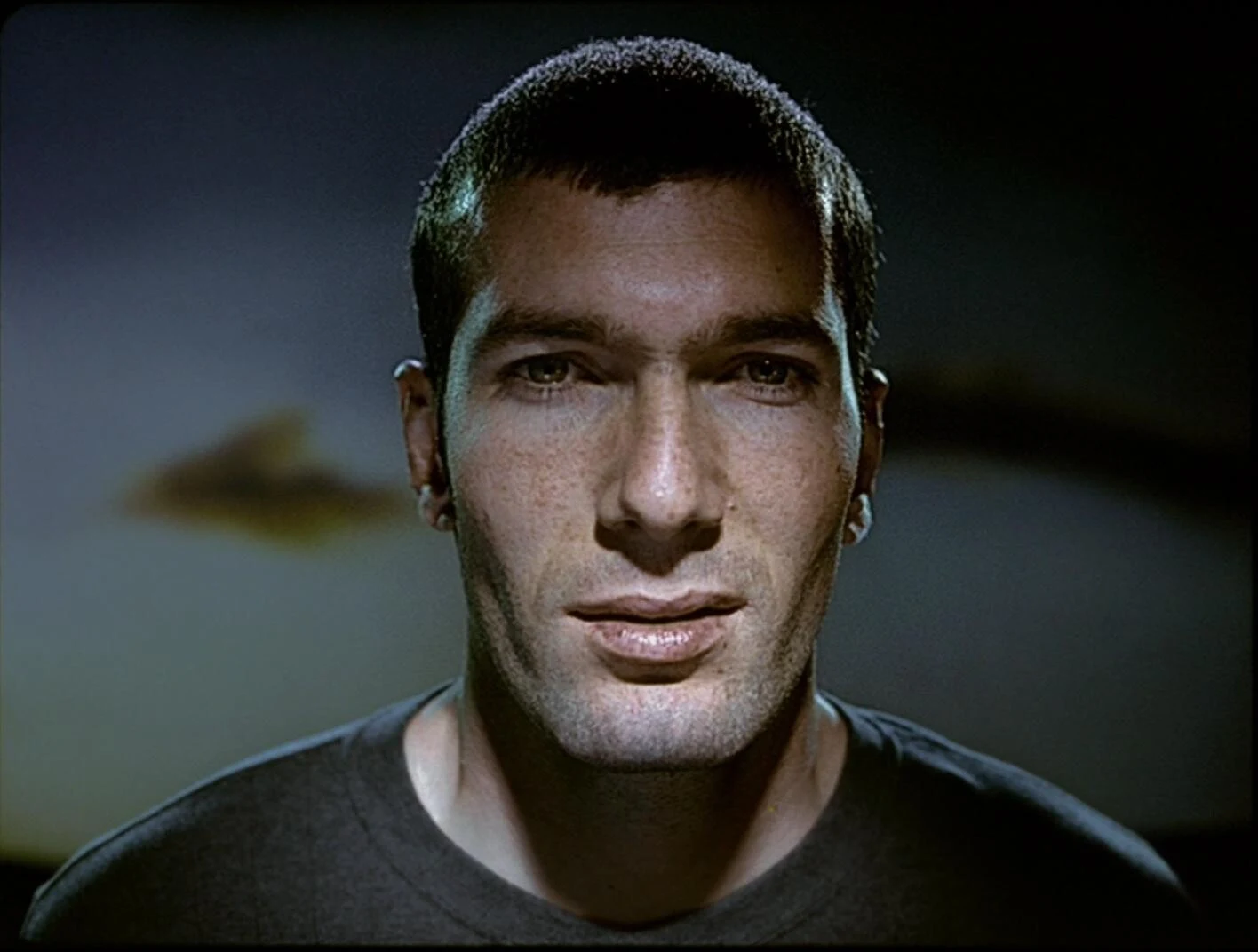
Ford went even further at the end of 2000. To announce its partnership with Zidane, the manufacturer initially decided not to show any cars and not to immediately reveal his name. Between 12,000 and 13,000 billboards were installed in France featuring a close-up photograph of the footballer's face.
A second wave of posters then invited the French public to tune in on January 1st at 19:55 pm. That evening, just before the evening news, Ford finally revealed its identity in a one-minute commercial with the tagline "What matters is not what we say, but what we do." The advertising campaign cost approximately 17 to 18 million francs.
The story has another surprising detail. Zidane was still playing for Juventus, owned by the Agnelli family, whose history is inextricably linked to Fiat. The Juve star thus found himself promoting a car manufacturer that competed with Fiat, further proof of the commercial power his image had acquired after France 98.
CanalSatellite: Zidane repaints the pitch himself
CanalSatellite began using Zidane in 1999 and subsequently ran numerous campaigns with him. In one of the most memorable commercials, the number 10 is tasked with personally repainting the white lines of a football pitch before the start of the league season.
Once his work was finished, Zidane looked at the camera and exclaimed, "Yes! It's back to work!" CanalSatellite thus capitalized on his personality without casting him in a role far removed from his own world. The partnership continued for several years before ending after the 2006 World Cup.
That year, CanalSat again used Zidane in its "Tous Bleus" campaign surrounding the World Cup. At that time, his face was almost a given in major commercial operations organized around the French national team.
Orange: 3 million euros, then the boss regrets the advertising
In the early 2000s, telephone companies vied for the signatures of the 1998 World Cup champions. SFR worked with Marcel Desailly, Bouygues Telecom with Bixente Lizarazu, and Orange decided to make a bigger splash by signing Zidane. In 2002, the number 10 signed a three-year contract reportedly worth around 3 million euros.
A few months later, Didier Quillot, then CEO of Orange France, did something quite rare in the advertising world: he publicly admitted regretting the launch film for the "Orange without limits" offer featuring Zidane. He explained that it was the advertisement he was "least proud of" and that he "regretted having made . "
The admission is all the more surprising given how expensive the campaign was for the company. Orange had recruited the biggest French star of the moment to compete with its rivals, but the result clearly hadn't convinced its own CEO. This won't prevent the relationship between Zidane and the operator from continuing.
Danone: Zidane signs for 11 years
In 2004, Danone wasn't simply looking for Zidane to film a few seconds in front of a camera. The group entered into a partnership with him, initially announced for 11 years, intended to permanently associate its image with that of the French champion.
Zidane became an ambassador for the group and participated in its initiatives focused on children. He was closely associated with the Danone Nations Cup, an international youth football competition. The agreement therefore went far beyond traditional advertising for a yogurt or a bottle of water.
The relationship also became personal with Franck Riboud, then CEO of Danone. Years later, Zidane became involved with the Union Foot de Touraine project, chaired by Basile Riboud, Franck Riboud's son—an adventure worth revisiting in recent sports news. The advertising contract of the 2000s thus gave way to a lasting relationship with the Riboud family.
Adidas: Zidane's giant image dominates Marseille
Adidas remains Zidane's long-standing partner. The sportswear company has been a part of his career, outfitting the player and using his image in numerous French and international campaigns. Zidane also remains associated with the brand even after retiring from playing.
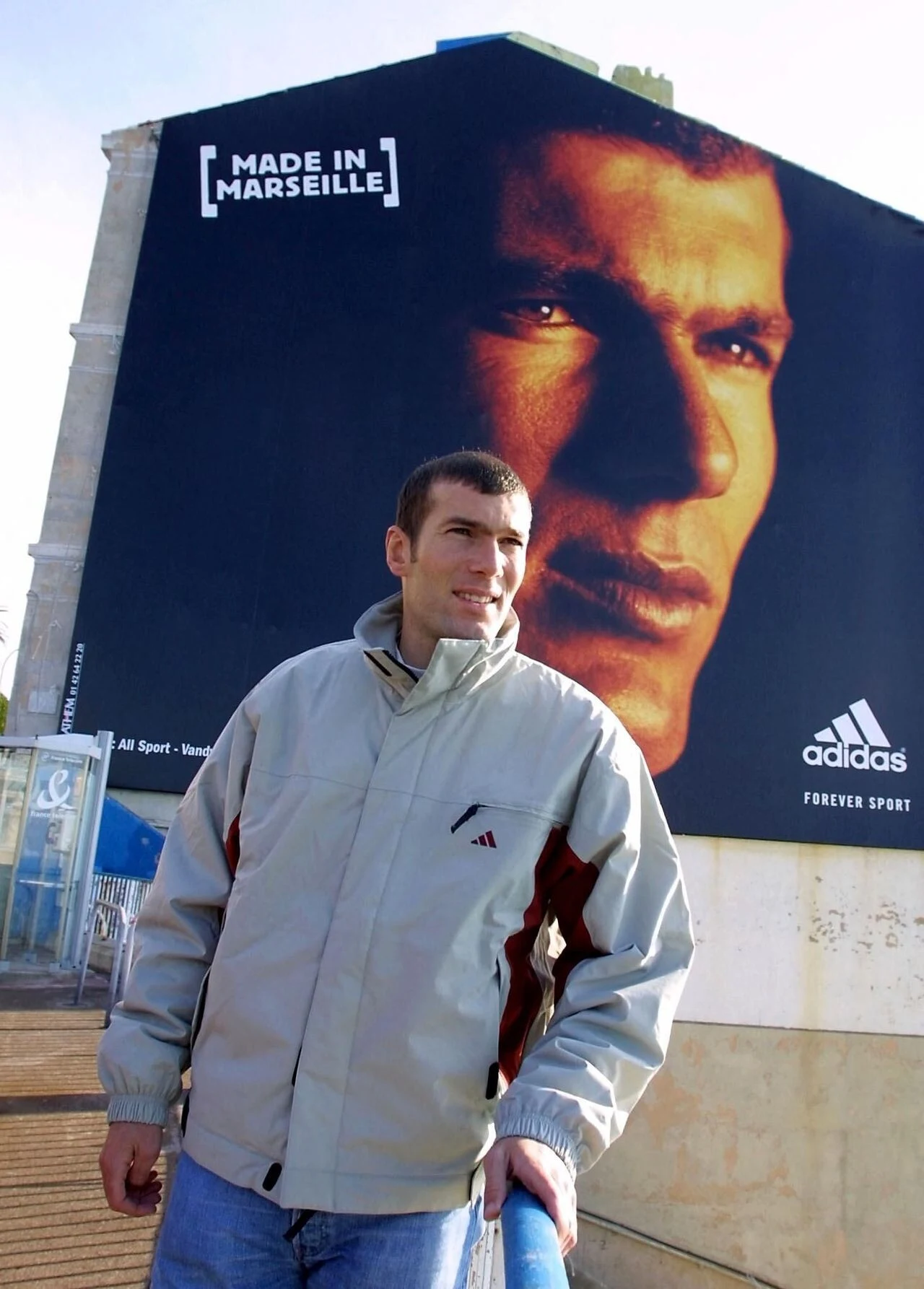
One of the most spectacular images is installed in Marseille: a huge portrait of Zidane covers a building facade on the Corniche. The boy from La Castellane has become famous enough to symbolically dominate the city where he grew up.
The poster is all the more striking given that Zidane never played professionally for Olympique de Marseille. His special connection with his hometown continues to fuel his image, even as they remain regularly linked in football news.
Generali: "Just like that, on a whim"
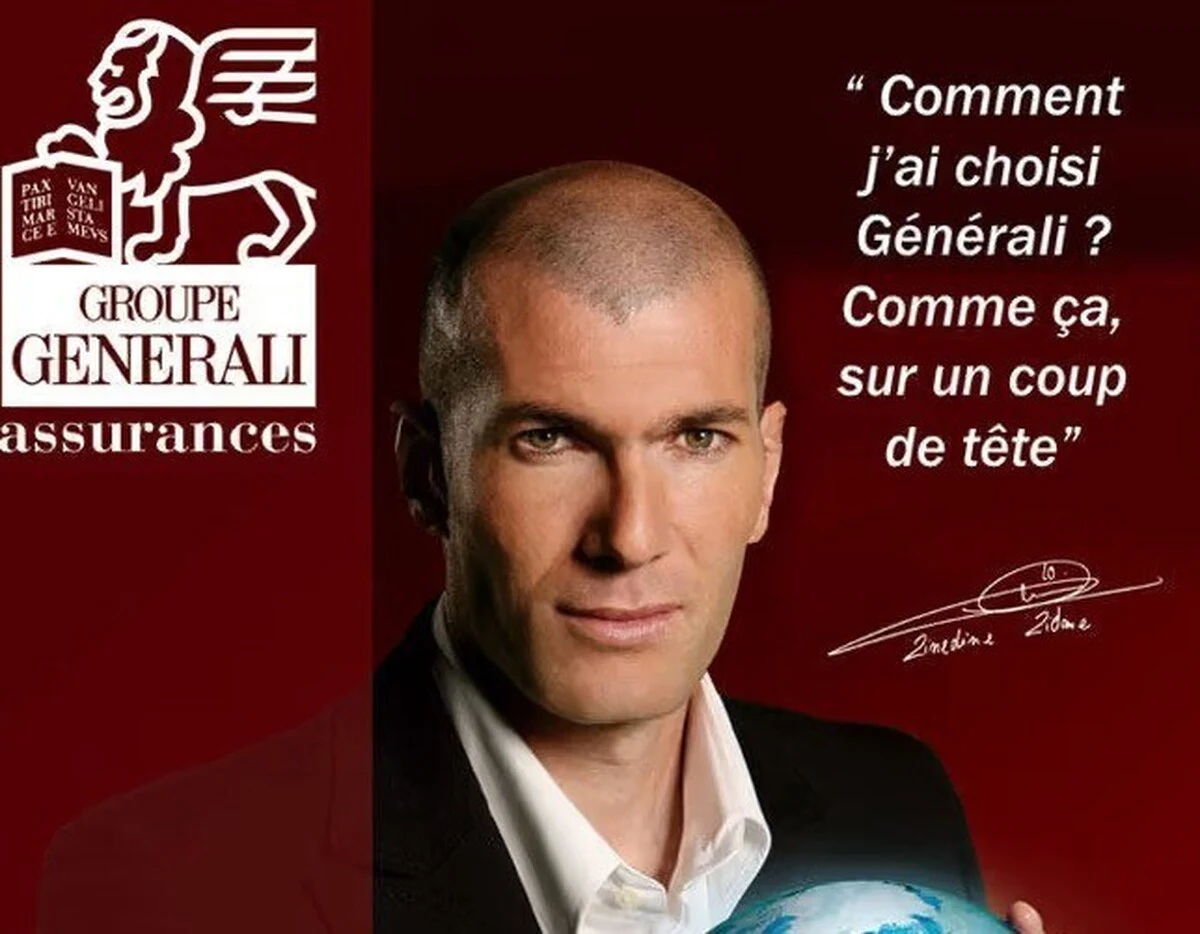
Generali signed with Zidane in 2006 for an initial three-year partnership. The insurance company used his image in various campaigns, but one of them went much further by exploiting the most famous and controversial episode from the end of his career.
On July 9, 2006, in the World Cup final against Italy, Zidane headbutted Marco Materazzi and received a red card in the last match of his career. A few months later, Generali decided to turn this globally infamous incident into an advertising opportunity.
On the poster, Zidane appears with a globe in his hands and asks: "How did I choose Generali?" The answer directly refers to his gesture in Berlin: "Just like that, on a whim." Zidane thus agrees to publicly laugh at an event that had brutally marked the end of his international career.
The contrast is enormous: one of the most famous gestures in football history becomes an advertising tool for an insurance company. Generali has particularly succeeded in using a reference that virtually everyone understands immediately, without even needing to show Marco Materazzi or footage of the final.
GrandOptical: Zidane almost wears Aimé Jacquet's glasses
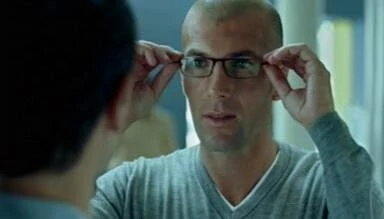
In 2007, GrandOptical recruited Zidane as part of a partnership announced for several years. In one of the first commercials, the former number 10 enters a store, tries on ultra-lightweight glasses and then starts juggling a ball.
The choice of frames adds a nod to football fans. The glasses featured are reminiscent of those worn by Aimé Jacquet during the 1998 World Cup. Nine years after being led to the world title by Jacquet, Zidane thus finds himself in an optician's advertisement wearing frames that evoke his former national team coach.
Zidane concludes the commercial with "I'll take them ," a phrase that would later be reused in GrandOptical's advertising. The anecdote takes on a new significance today with the reunion between Aimé Jacquet and Zinédine Zidane, who is now also managing the French national team.
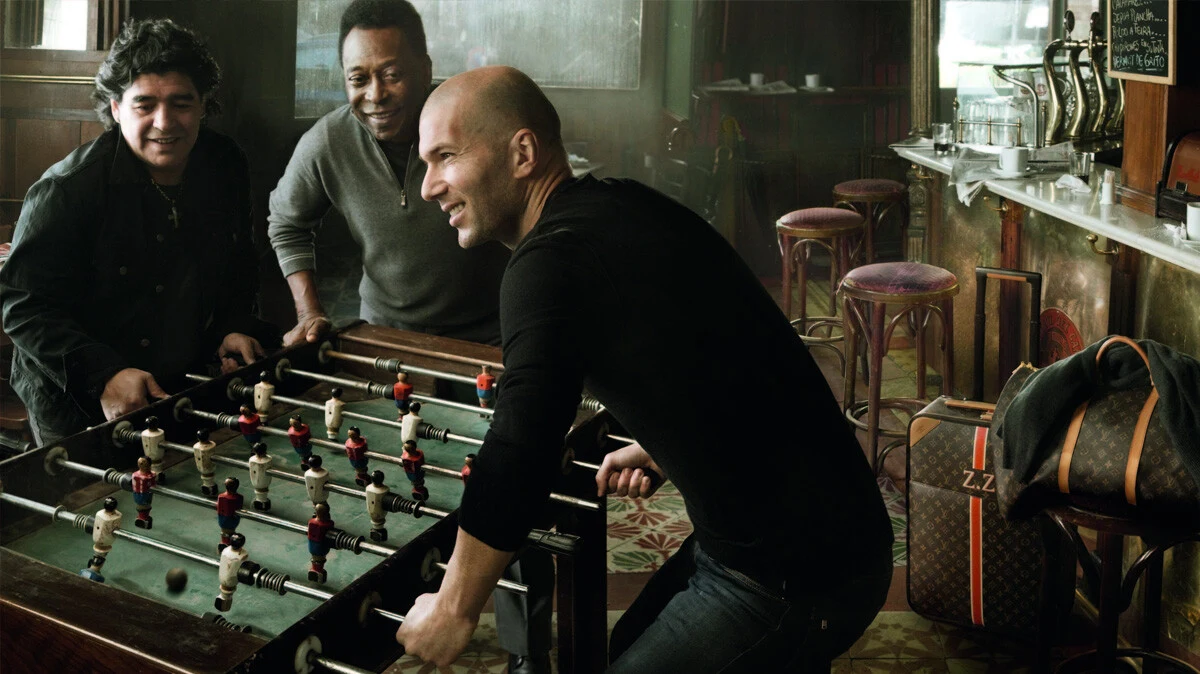
Louis Vuitton: Zidane vs. Pelé, Maradona as referee
In 2010, Louis Vuitton achieved an exceptional casting: Pelé, Diego Maradona, and Zinédine Zidane gathered around a foosball table in the Café Maravillas in Madrid. Annie Leibovitz shot the campaign, accompanied by the tagline "Three magnificent journeys, one historic match ." Zidane faces off against Pelé while Maradona appears alongside them as referee.
But the behind-the-scenes reality is far less perfect than the photograph. Zidane and Pelé did pose together, unlike Maradona, who arrived about four hours late, while the other two champions had already left. The Argentinian was therefore photographed separately before being digitally added to the image. The advertisement, meant to bring together three of the greatest number 10s in history, never actually featured all three men in front of the camera at the same time.
Zidane earned more from advertising than from Real Madrid
The accumulation of these contracts eventually amounted to a veritable fortune. In 2006, at the peak of his career, Zidane's advertising and commercial revenues were estimated at around 8,4 million euros, while his annual salary at Real Madrid was around 6,4 million euros.
Zidane therefore earned more that year from his image than from playing football for Real Madrid. Leader Price, Dior, Volvic, Ford, CanalSatellite, Orange, Audi, Danone, Adidas, Generali, GrandOptical, and Louis Vuitton demonstrate above all the extraordinary diversity of brands that have used his face.
Advertisers also understood very early on that they could play with his own history. Volvic uses his football rituals, Dior his reserved character, Ford his immense renown, GrandOptical the memory of Aimé Jacquet and Generali even dares to appropriate his headbutt against Materazzi.
Twenty years after his last professional match, Zidane's return to the forefront with the French national team is a reminder of how his popularity has transcended generations. The man who sold everything to the French has, in the end, never truly left their screens.