The American continent is experiencing a succession of natural disasters with particularly spectacular consequences. Within a few days, a powerful hurricane struck the southeastern United States, a magnitude 7.7 earthquake caused significant damage in Panama, and torrential rains triggered devastating mudslides in Chile. Winds exceeding 160 kilometers per hour, collapsed buildings, cut roads, and vehicles swept away by waters testify to the scale of the phenomena. Authorities in the three countries have mobilized their emergency services to assist affected populations. Although these disasters are of different natures and do not present a direct meteorological or geological link, their succession highlights the vulnerability of infrastructures and territories to extreme natural events.
In the United States, Hurricane Isaias particularly affected Florida and Alabama after reaching the American coasts on the night of Friday, October 9 to Saturday, October 10. Classified as category 2 upon landfall, it was accompanied by sustained winds reaching about 168 kilometers per hour, torrential rains, and a significant rise in coastal waters. At least four people lost their lives, notably due to falling trees and an accident related to the use of a generator. Nearly 900,000 homes and businesses were left without electricity at the peak of the disruptions. In several localities, gusts tore off roofs, toppled trees, and made roads impassable. American authorities declared a state of emergency in the most affected areas to facilitate rescue operations and the restoration of electrical networks.
In Panama, a magnitude 7.7 earthquake causes major destruction
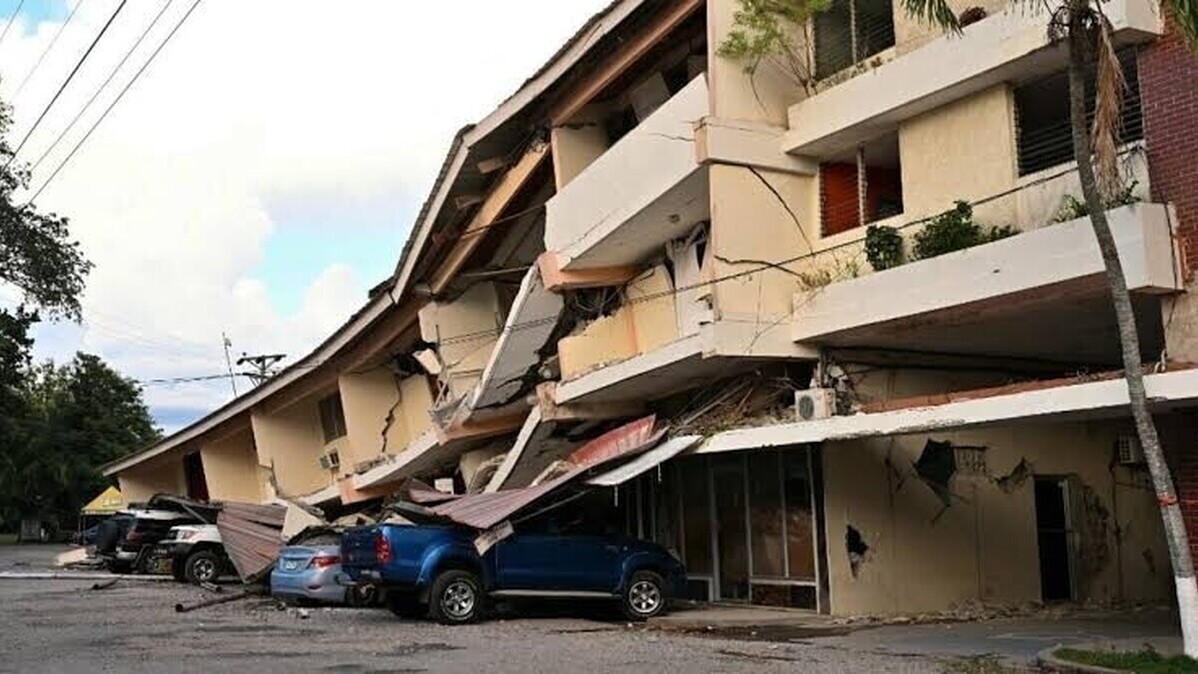
Panama was struck on Friday, October 9 by a violent earthquake measuring 7.7 in magnitude. The main shock, recorded around midday, was felt across much of the country, causing scenes of panic even in the capital. Residents of many buildings hurriedly evacuated their homes and offices, while several buildings partially or completely collapsed. The provinces of Herrera, Los Santos, Veraguas, and Coclé are among the most affected areas. The latest available report indicates at least 27 injured, with no officially confirmed deaths. More than 400 buildings were damaged, including homes, schools, religious buildings, and public infrastructures.
Damage is particularly severe in several municipalities in the central part of the country, where roads and bridges have become unusable. Homes have collapsed, and some localities were temporarily isolated. Authorities also reported damage to hospital facilities, forcing emergency services to adapt their organization. More than a hundred aftershocks were recorded following the main earthquake, maintaining public concern. A tsunami warning was issued as a precaution before being lifted. President José Raúl Mulino declared a state of emergency to facilitate the mobilization of public resources and the delivery of assistance. Several countries have offered aid, while Panamanian authorities continue assessing the damage and securing weakened buildings.
In Chile, mud torrents carry cars through the streets of Santiago
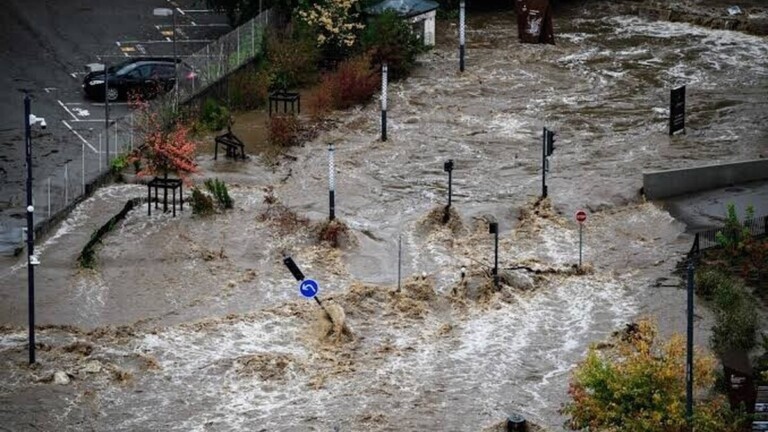
Thousands of kilometers further south, Chile faced unusually intense storms. On Thursday, October 8, torrential rains caused a major mudslide in the Las Condes area, east of Santiago, at the foot of the Andes mountain range. Within minutes, the streets turned into torrents carrying earth, stones, and debris. Dozens of vehicles were moved by the force of the current, while drivers found themselves trapped in their cars. Images shared on social media notably show buses and private vehicles swept away by muddy waters. At least six people were injured, including a one-year-old child. Several residents had to be rescued under particularly difficult conditions.
Given the extent of the damage, Chilean President José Antonio Kast ordered Las Condes to be declared a disaster zone. Approximately 600 households were evacuated, and ten other municipalities in the metropolitan region were placed on maximum alert. The rains also caused flooding in several facilities, including a university clinic where some patients had to be relocated. According to local authorities, accumulated precipitation far exceeded levels usually observed in October. Soil saturation and the intensity of the downpours favored the triggering of debris flows from surrounding slopes. Rescue teams continued reconnaissance operations to check damaged vehicles, secure homes, and allow residents to gradually return to accessible areas.
Three different disasters testing emergency services
These events illustrate the diversity of natural risks faced by American countries. In the United States, tropical cyclones are a regular threat to coastal regions of the Gulf of Mexico and the Atlantic. In Panama, tectonic plate movements expose the territory to sometimes particularly powerful earthquakes. In Chile, also highly exposed to earthquakes, intense precipitation can cause sudden floods and landslides, especially in urban areas near steep terrain. These phenomena arise from different mechanisms. Their severity depends notably on the event’s intensity, population location, construction quality, and authorities’ capacity to anticipate risks.
The priority now remains the care of victims and the restoration of essential infrastructures. In Florida and Alabama, technical teams are working to restore electricity and reopen roadways. In Panama, inspections continue to assess the strength of buildings affected by the earthquake and prevent accidents related to aftershocks. In Chile, cleanup and securing operations in affected neighborhoods mobilize significant human and material resources. The tolls may still evolve as rescue teams access hard-to-reach areas. This succession of disasters also underscores the importance of alert systems, construction standards, and population preparedness. In all three countries, the coming weeks will be dedicated to reconstruction, while authorities will need to draw lessons from these events to reduce the impact of future disasters.