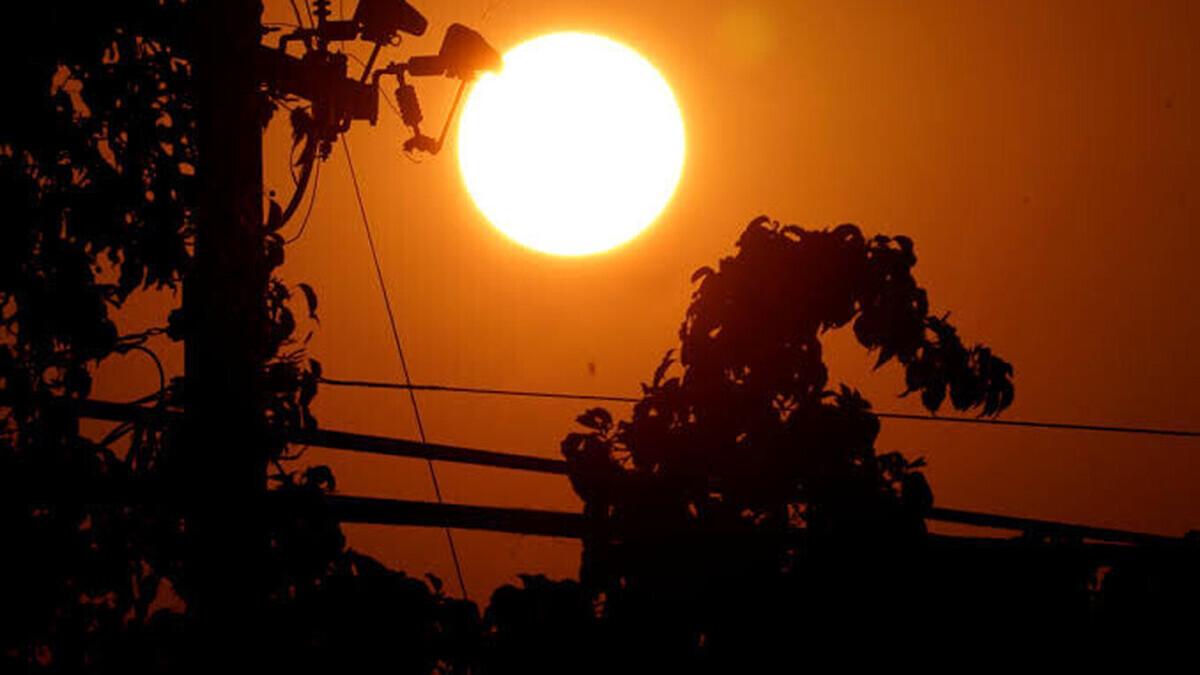
For the first time since records began, the global average temperature has exceeded pre-industrial levels by more than 2°C for seven consecutive days. This temporary breach is another worrying sign of global climate change, but it does not necessarily mean that the Paris Agreement threshold has been permanently exceeded.
Between November 18 and 24, 2026, the average daily global surface temperature remained more than 2°C above the pre-industrial average (1850-1900), according to data from the European Copernicus Observatory. Ten days in November reached or exceeded this threshold. On Monday, November 23, the difference peaked at 2,25°C, setting a new record and surpassing the previous record of 2,05°C set on November 17, 2023.
Climate scientists clarify, however, that this is not the hottest day ever recorded in absolute terms, but rather the largest deviation observed compared to pre-industrial levels for this time of year. Global temperatures generally reach their peak during July and August. The recurrence of these temperature anomalies nevertheless points to a particularly marked shift in the Earth's climate, accentuated for several months now by the El Niño phenomenon.
The year 2026 could be the second hottest ever recorded
The observed warming results from the combination of two phenomena: the accumulation of greenhouse gases in the atmosphere, primarily linked to human activities, and a powerful El Niño event. This natural climatic phenomenon, characterized by an increase in the temperature of the equatorial Pacific Ocean, temporarily contributes to a rise in global temperatures. According to the World Meteorological Organization, the last twelve years have been the warmest since records began.
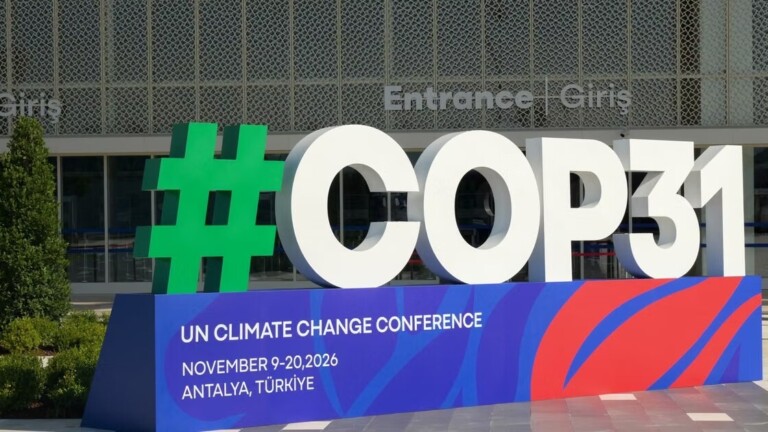
Copernicus now considers it highly likely that 2026 will become the second warmest year on record, after 2024. While a single exceedance of 2°C does not in itself constitute a sustained breach of the limits set by the Paris Agreement, it illustrates the intensification of global warming. This new data is published a few days after the close of COP31 in Antalya, Turkey , during which states failed to agree on an explicit commitment to phasing out fossil fuels.
Sources cited in the article Copernicus · Organisation météorologique mondiale