

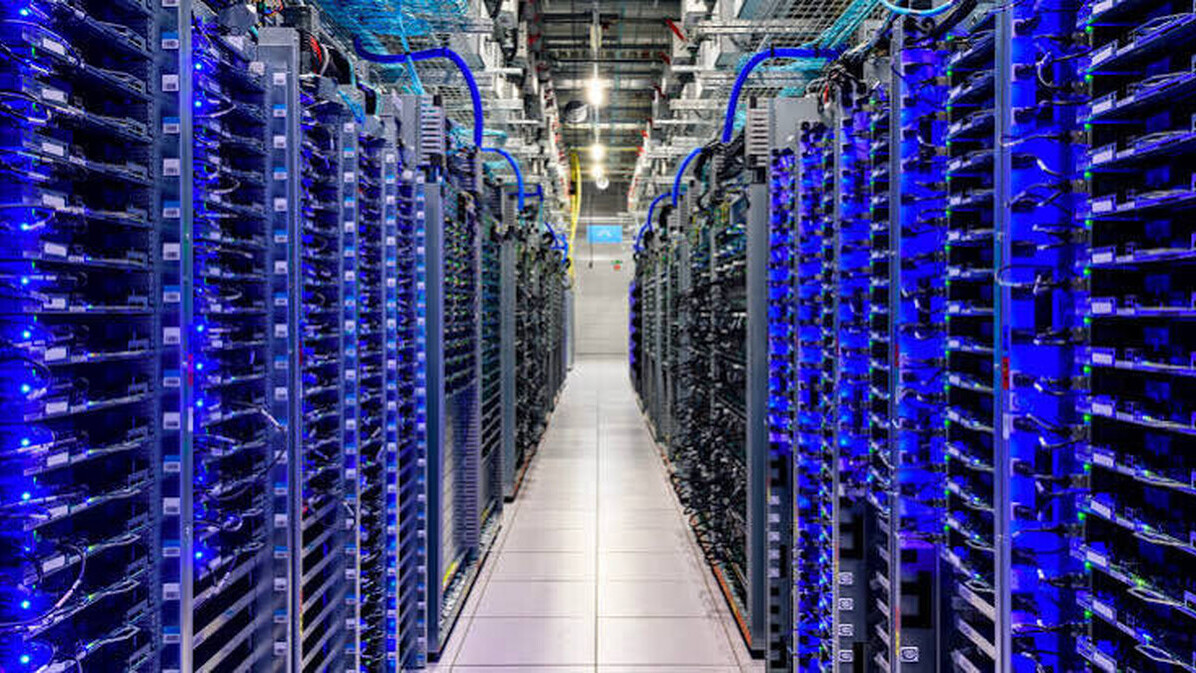
The rise of artificial intelligence and digital services is driving increased energy demand in US data centers . According to a study, their carbon footprint has now reached a level comparable to that of a small European country. This development raises questions about the environmental consequences of new technologies.
Data centers are playing an increasingly important role in the global digital economy. Essential to the operation of search engines, streaming platforms, storage services, and artificial intelligence tools, these infrastructures consume significant amounts of electricity. In the United States, their rapid development is accompanied by a rise in greenhouse gas emissions associated with their operation. One study now suggests a carbon footprint comparable to that of a small European country, illustrating the scale of the sector's energy needs.
This trend is largely due to the increasing infrastructure required for training and using artificial intelligence models. Specialized servers demand considerable computing power and must operate in facilities equipped with cooling systems. However, electricity consumption depends on numerous factors, including equipment efficiency, server utilization rates, and the energy source. A data center powered primarily by renewable energy sources will not have the same carbon footprint as a facility reliant on gas or coal-fired power plants.
Artificial intelligence is accelerating the demand for electricity.
The growth of artificial intelligence services is now one of the main drivers of investment in data centers. Large technology companies are spending considerable sums on building new facilities, acquiring specialized processors, and strengthening electrical grids. This expansion could permanently increase US energy demand, even as authorities seek to reduce greenhouse gas emissions.
The issue isn't solely about the electricity consumed directly by servers. The manufacturing of electronic components, building construction, cooling equipment, and hardware replacement also contribute to the sector's environmental footprint. Emissions can therefore be direct or indirect, depending on whether they originate from the operation of the facilities, electricity generation, or infrastructure manufacturing. These methodological differences must be considered when a study compares data centers to a country's emissions.
Digital giants face their climate commitments
This increase in energy consumption presents major technology companies with a dilemma. Several groups, including Google, Microsoft , Amazon, and Meta, have announced ambitious emissions reduction targets. At the same time, their investments in artificial intelligence require new computing power, the use of which could make these commitments more difficult to meet.
To limit their impact, operators are seeking to improve the energy efficiency of their facilities and secure supplies of lower-carbon electricity. Some are developing renewable energy purchase agreements, while others are focusing more on nuclear power. Improving cooling systems and recovering heat produced by servers are also among the solutions being considered.
An environmental challenge that is set to grow.
Beyond CO₂ emissions, the proliferation of data centers raises questions about access to electricity, water use, and the capacity of local grids. In some parts of the United States, the arrival of new facilities requires significant investments to strengthen energy infrastructure. These needs can compete with those of residents and other economic activities.
Data centers remain essential to the operation of digital services and can also support innovations that contribute to the energy transition. Artificial intelligence, in particular, is being used to improve the management of electrical grids, optimize certain industrial energy consumption processes, and develop new tools for scientific research. The challenge, therefore, lies in measuring the benefits of these technologies against the resources required for their operation.
Comparing this to the emissions of a small European country underscores the growing importance of digital infrastructure in environmental debates. As artificial intelligence continues to advance, businesses and governments will need to balance technological growth, energy security, and emissions reduction. Transparency regarding the actual energy consumption of data centers and their carbon footprint will be crucial for assessing progress.









Respond to the article
Be the first to comment on this article.