

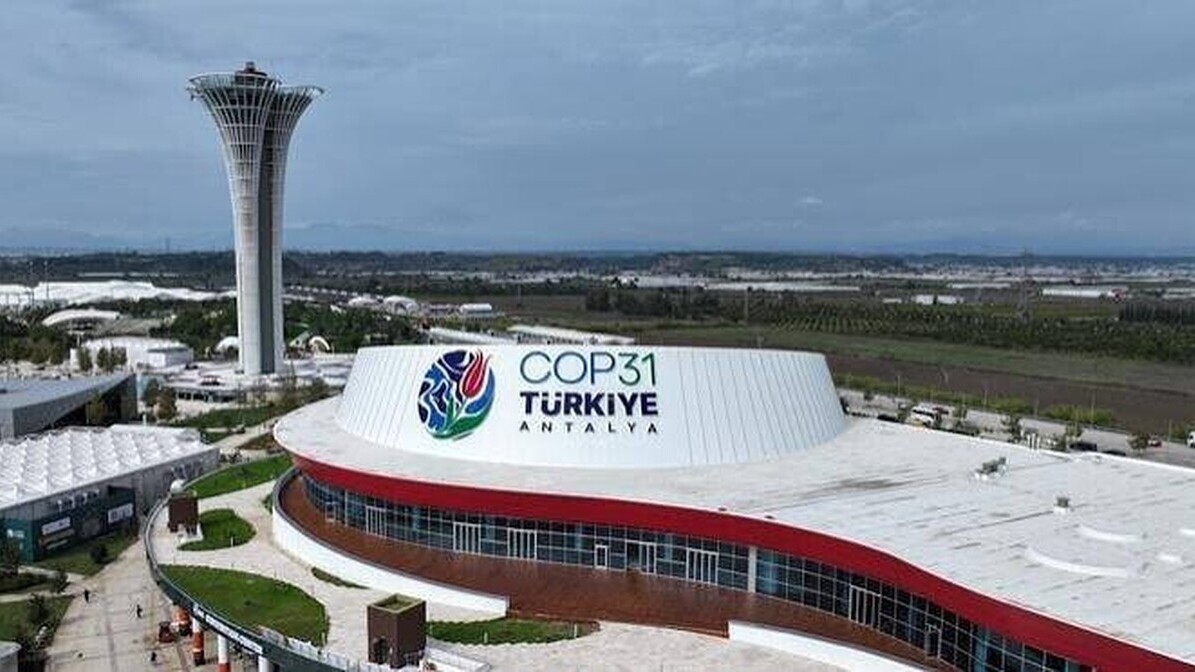
In Antalya, Turkey, the 31st United Nations Climate Change Conference is entering its final stretch without an agreement on several key issues. On Wednesday, November 18, 2026, ministers held numerous discussions to try to overcome their disagreements on fossil fuels, climate finance, and the role of science. A new draft final decision is expected on Thursday, while delegations are theoretically supposed to reach a compromise before Friday.
The COP31 negotiations continue amidst high diplomatic tensions. On the tenth day of the conference in Antalya, representatives from nearly 200 countries are still struggling to find common ground on key climate commitments. On Wednesday, November 18, ministers participated in an informal meeting dubbed a "divan," a Turkish term for a council, to compare their positions and identify possible compromises. This meeting comes after the publication on Monday of a first draft of the final decision, which has drawn considerable criticism. Prepared under the leadership of Australia , which is co-chairing the negotiations with Turkey, the 18-page document addresses sensitive topics such as reducing greenhouse gas emissions, the energy transition, and financial aid for the most vulnerable countries. Its length and the numerous, sometimes contradictory, options it contains illustrate the difficulties encountered in reconciling national positions.
Following Wednesday's discussions, several officials expressed their willingness to continue the efforts, without announcing any decisive breakthrough. French Minister for Ecological Transition Monique Barbut described the exchanges as characterized by mutual listening, while remaining cautious about the possibility of a swift resolution. Turkish Environment Minister Murat Kurum, for his part, asserted that significant progress had been made. The negotiating presidency is now expected to present a new version of the text, either Wednesday night or Thursday morning. The aim is to reduce the number of contested provisions and focus discussions on points likely to garner consensus. This step will be crucial to preventing the negotiations from extending beyond the officially scheduled closing date of Friday, November 20. The European Union is calling, in particular, for a shorter document more focused on priority commitments.
Fossil fuels, financing, and science at the heart of the blockages
The phase-out of fossil fuels remains a major point of contention. Several countries want the final decision to include more specific commitments to reduce global dependence on oil, gas, and coal, the main sources of carbon dioxide emissions. Denmark , Ireland, and Portugal have presented their own national roadmaps to accelerate this transition. But other countries remain reluctant to adopt additional international targets, particularly when these could affect their economic development or energy resources. Small island states, especially vulnerable to rising sea levels and extreme weather events, are calling for concrete measures. Maina Talia, Tuvalu's Minister of the Environment, has stressed the need to move from declarations of intent to collective action. For these territories, a rapid reduction in emissions is a direct matter of protecting their populations and infrastructure.
The issue of financing is also exacerbating divisions between developed and developing countries. The latter are demanding guarantees on the resources promised to finance climate change adaptation, including the construction of protective infrastructure, drought management, and natural disaster prevention. Kenya and India have called on industrialized countries to honor their commitments and accelerate the disbursement of funds. Another point of contention concerns the timing of the publication of the next reports from the Intergovernmental Panel on Climate Change (IPCC). The European Union, the least developed countries, and small island developing states want the new scientific assessments available as early as 2028, before the next global review of climate commitments. Saudi Arabia and India favor publication in 2029. These disagreements illustrate the difficulties in reconciling scientific imperatives, economic interests, and the historical responsibilities of different states. With two days until the official close, ministers must now translate their discussions into joint decisions, or risk concluding COP31 with a limited agreement.






Respond to the article
Be the first to comment on this article.