

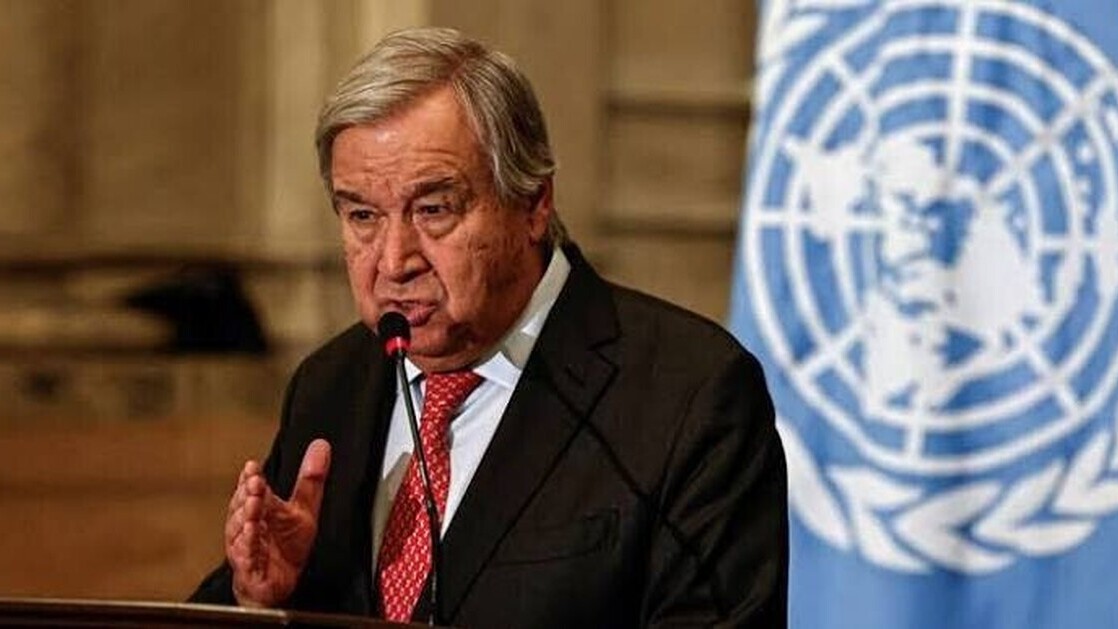
At the opening of COP31 this Monday, November 9, in Antalya, Turkey, United Nations Secretary-General António Guterres called on world leaders to "rise to the occasion" in the face of the climate emergency. As temperatures continue to break records, the UN is warning of the arrival of a particularly intense El Niño event, which could exacerbate extreme weather phenomena until 2027. Negotiations are expected to be difficult, particularly regarding financing the energy transition and aid to the most vulnerable countries.
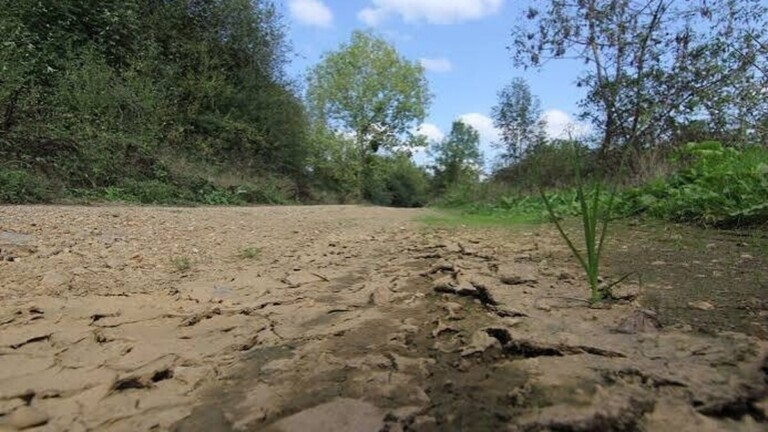
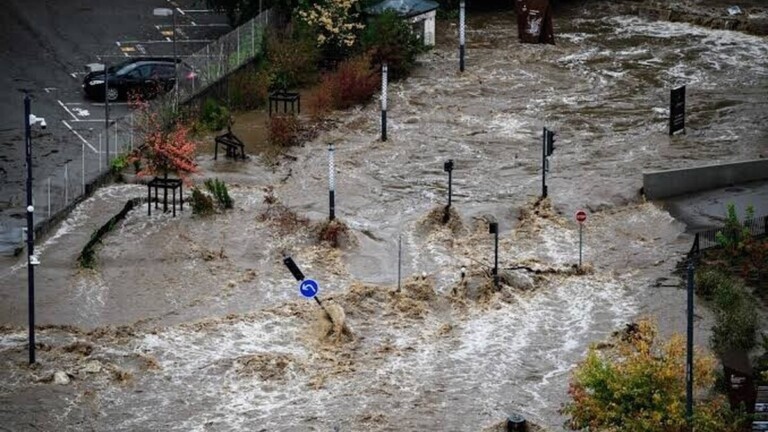
The 31st United Nations Climate Change Conference opens against a particularly worrying scientific backdrop. In a statement accompanying the latest report from the World Meteorological Organization (WMO), António Guterres highlighted the accumulation of extreme weather events and their human consequences. According to the WMO, the past twelve years have been the warmest ever recorded globally. Between January and September 2026, the average global temperature exceeded pre-industrial levels by approximately 1,47°C. Scientists fear a further deterioration with the intensification of the El Niño phenomenon, which alters atmospheric and oceanic circulation in the Pacific and generally contributes to a temporary rise in global temperatures. The risks include heat waves, droughts, floods, and tropical cyclones.
Representatives from nearly 200 countries are meeting until November 20 to try to translate previous climate commitments into concrete decisions. But initial discussions are already revealing significant differences. The opening ceremony was delayed by an hour as delegations were unable to agree on the agenda. Funding for developing countries is one of the main points of contention. Several African states are calling for a tripling of resources allocated to climate change adaptation in order to better protect their populations against natural disasters. Developed countries, facing budgetary constraints and economic pressures, are reluctant to make new financial commitments. These differences risk complicating negotiations from the very first days of the summit.
Financing, fossil fuels and the American absence: a tense COP
Turkey, which co-chairs this year's summit with Australia, tasked with leading the negotiations, wants to place the electrification of the global economy at the heart of the discussions. Ankara is advocating for a target of increasing electricity's share of global energy consumption to 35% by 2035, compared to around 20% today. This proposal, however, could spark further tensions among the participants. The European Union wants this progress to be based primarily on decarbonized electricity production, while several oil and gas producing countries are pushing for a less restrictive transition for their industries. The war in the Middle East and disruptions to energy markets are further complicating the discussions, as many governments are currently prioritizing security of supply and price control.
The absence of the US administration constitutes another diplomatic obstacle. The United States, the world's second-largest emitter of greenhouse gases after China, is not participating in the negotiations under the presidency of Donald Trump . This situation weakens the prospects for an ambitious international agreement, as efforts to reduce emissions remain insufficient to meet the objectives of the 2015 Paris Agreement. Leaders in Antalya will also have to address the protection of populations exposed to natural disasters, the preservation of water resources, and the financing of infrastructure adapted to new climate conditions. For the UN, the challenge is no longer simply to multiply declarations of intent, but to accelerate economic and energy transformations. The two weeks of negotiations will allow for an assessment of the states' ability to overcome their differences and adopt applicable and funded commitments.



Respond to the article
Be the first to comment on this article.