

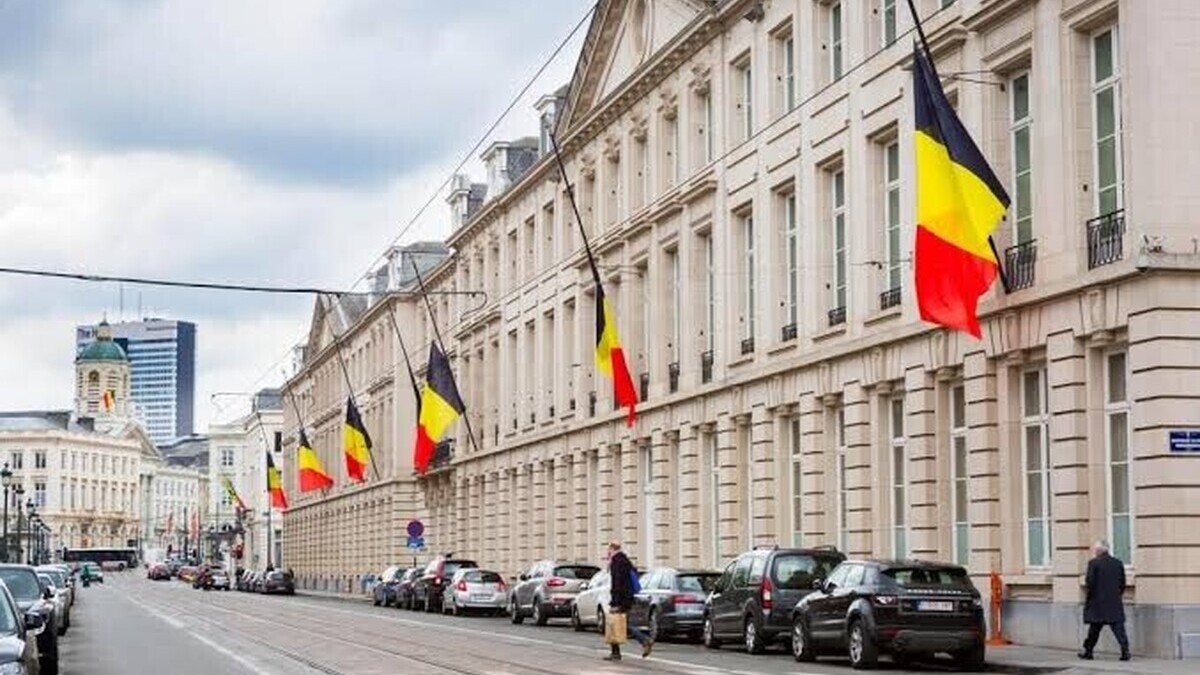
Belgium is struggling to improve its performance in the fight against climate change. At COP31, several environmental organizations ranked the country among those with "weak" climate performance. Despite commitments made at the European level, efforts to reduce greenhouse gas emissions and accelerate the energy transition are still considered insufficient.
Belgium is once again under scrutiny from environmental organizations. At the 31st United Nations Climate Change Conference, the results of the Climate Change Performance Index, an international ranking of climate policies, highlight the country's difficulties in accelerating its transition. This index, developed by Germanwatch, the NewClimate Institute, and the Climate Action Network, among others, assesses countries' performance in greenhouse gas emissions, renewable energy, energy consumption, and climate policy. Belgium is ranked among the countries whose results are considered "weak."
This observation comes as the country has committed, within the framework of the European Union , to participating in the reduction of greenhouse gas emissions and the objective of climate neutrality by 2050. Belgium, however, must contend with a unique institutional structure in which environmental and energy responsibilities are divided between the federal government and the regions. This division necessitates coordination between several levels of government to implement emissions reduction policies. Environmental organizations believe that this complexity can slow down certain decisions, particularly in the transport, building, and energy sectors.
Transport and buildings at the heart of the difficulties
Transport-related emissions are one of Belgium's major challenges. Car traffic plays a significant role in daily commutes, particularly around Brussels and other major cities. Despite the development of electric vehicles and investments in public transport, car dependency remains high. Environmental groups are calling for an acceleration of policies aimed at reducing emissions from the sector, notably through improvements to rail services, the development of alternative modes of transport, and better organization of commuting.
The building sector also represents a significant challenge. A portion of Belgium's housing stock remains old and requires energy-efficient renovations to reduce heating consumption. Regional authorities have implemented various support schemes and renovation requirements, but their application poses financial difficulties for some households. The necessary investments can be substantial, particularly for homeowners with modest incomes. Environmental organizations believe that housing renovations must be accompanied by sufficient public support to prevent climate objectives from resulting in an excessive burden on individuals.
Belgium falls to 38th place in the international rankings
For Belgium, the publication of this ranking reignites the debate on the effectiveness of environmental policies and coordination between different levels of government. The organizations behind the index are calling for increased investment in renewable energy and an acceleration of emissions reductions. However, a drop of one place does not in itself mean that Belgian emissions have increased: it may also reflect changes in the performance of other countries. On the occasion of COP31, this new assessment serves as a reminder that Belgium continues to face significant challenges in meeting its European and international climate commitments.





Respond to the article
Be the first to comment on this article.