

The COP31 negotiations have taken a new turn in Turkey. On Sunday, November 22, the European Union announced its opposition to adopting the final text proposed by the conference presidency. The issue: the absence of explicit reference to fossil fuels, which are considered the main driver of global warming. This refusal has led international discussions into a deadlock after several days of extension.
The global climate conference, held in Antalya, was intended to enable the approximately 200 participating countries to agree on new commitments to combat global warming. However, negotiations have extended well beyond the initial schedule, revealing deep divisions among delegations. The draft agreement submitted to participants does not explicitly mention oil, coal, and gas, an omission deemed unacceptable by several European countries and island states. For them, a text that avoids naming the main sources of greenhouse gas emissions risks weakening already adopted international commitments.
Ireland, which holds the rotating presidency of the European Union, has publicly expressed this opposition. Its Minister for Climate and Energy, Darragh O’Brien, stated that Europeans could not support an agreement that did not address the climate emergency. Panama has also voiced its disagreement. These objections considerably complicate the conclusion of the conference, as COP decisions must be adopted by consensus. The Turkish presidency is now attempting to bring positions closer to avoid a diplomatic failure.
Fossil Fuels at the Heart of the Deadlock
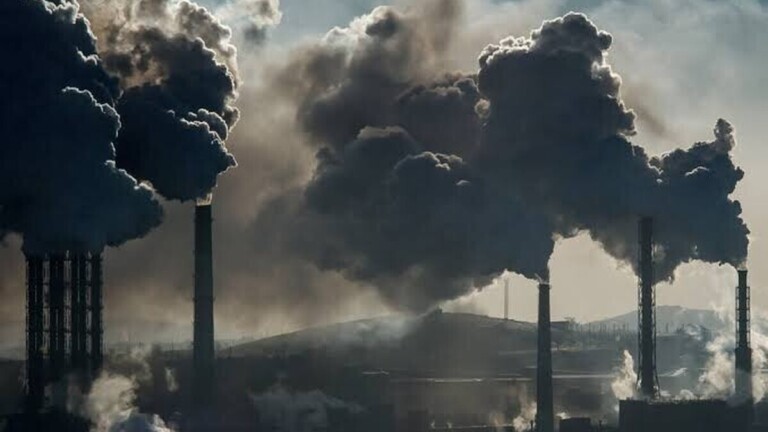
The main point of contention concerns the role given to fossil fuels in the global energy transition. Several oil-producing countries, including Saudi Arabia, oppose formulations that could accelerate the reduction of their use. Conversely, the European Union and several states particularly exposed to the consequences of climate change demand a more explicit commitment. The draft text indirectly refers to decisions made at COP28 in 2023 but does not clearly restate the goal of a transition away from fossil fuels.
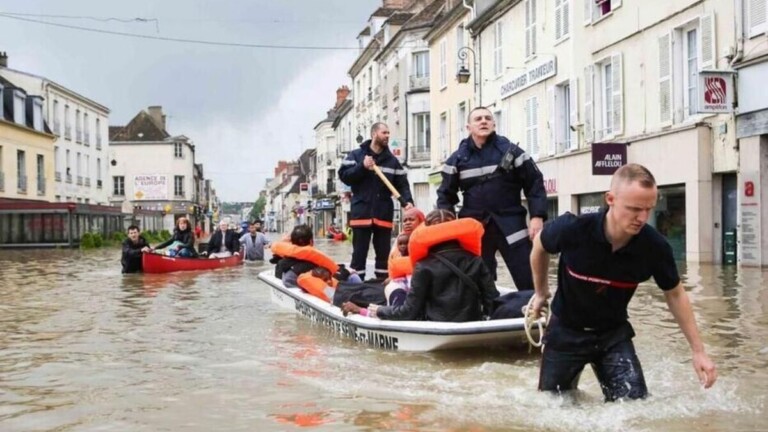
Discussions also focus on the development of electricity and funding for the most vulnerable countries. One proposal aims to increase the share of electricity in global energy consumption to 35% by 2035, without guaranteeing that this increase relies exclusively on renewable sources. At the same time, the removal of a $120 billion financing target for climate adaptation has angered several developing countries, which feel they lack the necessary means to cope with disasters.
A Conference Threatened by Lack of Compromise
COP31 is taking place in a particularly tense international context, marked by rising energy prices and divergences among major powers. Negotiators must also prepare the next steps for monitoring the Paris Agreement, including the global stocktake scheduled for 2028. Several delegations want the new scientific assessments from the Intergovernmental Panel on Climate Change to be available before this deadline, while other countries contest this timeline.
For the European Union, accepting a text deemed too weak would compromise the credibility of the international climate process. The Turkish presidency still hopes to reach a compromise, but disagreements remain significant. At this stage, no consensual adoption of the contested text has been achieved. This confrontation once again illustrates the difficulties of climate diplomacy, faced with deeply divergent economic and energy interests.





Respond to the article
Be the first to comment on this article.