The French Institute for Building Performance (Ifpeb) estimates that between €46 and €53 billion in investments will be needed to adapt housing to high temperatures by 2050. This amount, which excludes air conditioning, is based on three interventions: external solar shading, ceiling fans, and roof insulation. It does not represent a bill entirely borne by the government.
The institute proposes starting with one million homes by 2027, representing an investment of €3,5 to €4 billion. Priority would be given to the most exposed areas and vulnerable households. According to the research cited by Ifpeb, this equipment, combined with natural ventilation, would ensure acceptable habitability in approximately 70% of the housing stock.
Funding to be shared between public aid and owners
From 2028 onwards, the French Institute for Energy Performance in Buildings (Ifpeb) recommends subsidies tailored to homeowners' income and status, notably by leveraging the MaPrimeRénov' grant and energy savings certificates. It recommends upgrading 6,5 million homes in the most affected areas within five years, followed by an additional 5,3 million within ten to fifteen years. However, some areas may require air conditioning when nights remain too warm.
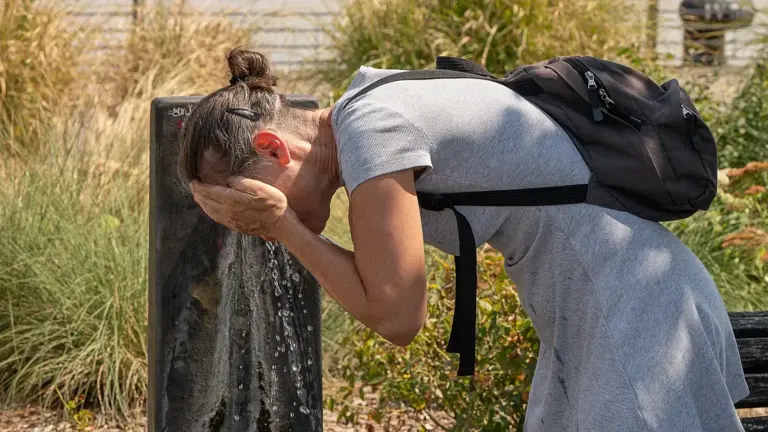
This estimate comes after a particularly trying summer. According to Météo-France , the summer of 2026 was the hottest recorded in France since 1900. Three heat waves accounted for a total of 53 days, compared to 33 days during the summer of 2022. This duration underscores the challenge: preparing homes to withstand prolonged periods of extreme temperatures, beyond just a few days.