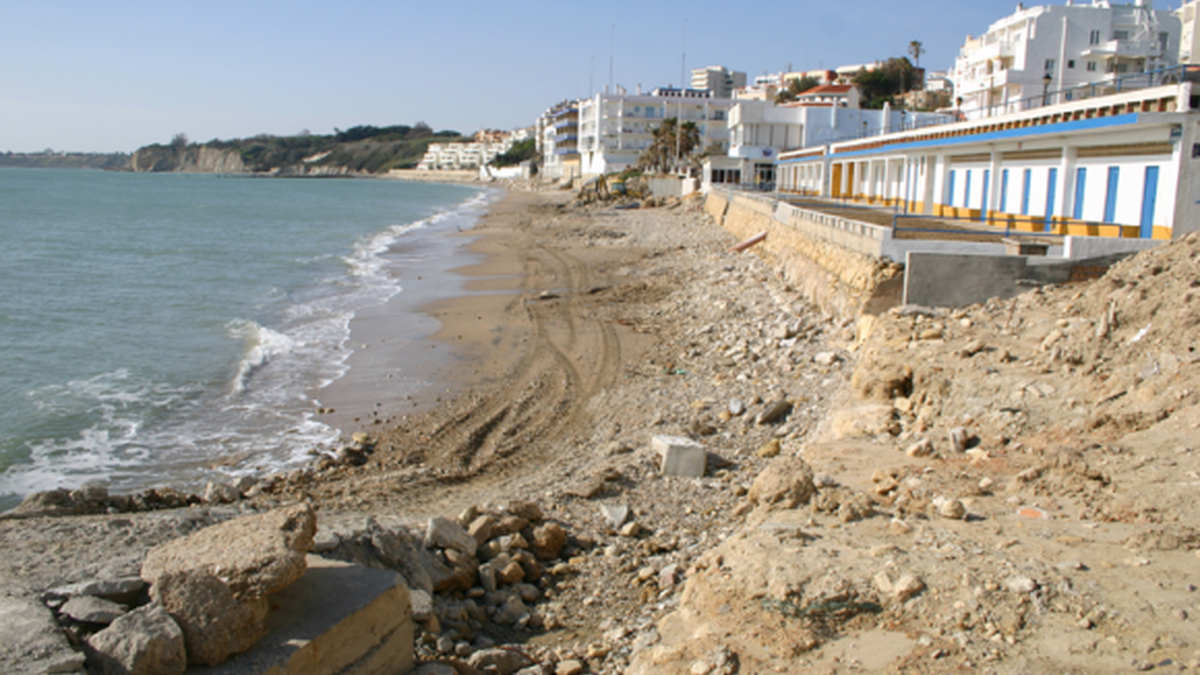
Along the French coast, some beaches are gradually receding, sometimes by several meters in just a few years. This phenomenon, called coastal erosion, results from the action of waves, ocean currents, storms, and changes in the coastal environment. Climate change and certain human activities can also exacerbate these transformations. From the Atlantic coast to the Mediterranean , including the overseas territories, many municipalities must now adapt their infrastructure to a changing coastline. Behind the disappearance of sand lie major environmental, economic, and real estate issues.
Beaches are natural environments in constant flux. The sand that makes them up comes primarily from the erosion of rocks, sediments transported by rivers, and materials reworked by ocean currents. Under the action of waves and wind, these particles are continuously moving along the shoreline or between the beach and the seabed. During periods of heavy swells, a significant amount of sand can be carried out to sea, while calmer weather conditions sometimes allow it to return. This seasonal evolution is natural and does not necessarily mean that a beach will disappear permanently. The problem arises when sediment loss becomes consistently greater than sediment input. The coastline then begins to recede, gradually exposing dunes, cliffs, roads, and buildings located near the sea.
Several human activities can exacerbate this imbalance. The construction of dams on rivers sometimes reduces the amount of sediment reaching the coast, while ports, seawalls, and protective structures alter the natural movement of sand. These infrastructures can limit erosion in one area while accelerating coastal retreat just a few kilometers away. Urbanization of coastal areas is also a significant factor, as buildings and roads sometimes prevent beaches and dunes from naturally moving inland. Climate change adds further pressure: rising average sea levels and changing wave patterns can intensify erosion in certain areas. Storms also cause sometimes dramatic retreats in just a few hours, even if some of the sand may subsequently return depending on local conditions.
French municipalities already facing coastal erosion
The Atlantic coast is among the areas particularly vulnerable to these changes. In the Gironde department, the town of Soulac-sur-Mer has become one of France's symbols of coastal erosion. The Le Signal building, constructed in the late 1960s about 200 meters from the ocean, gradually found itself in the immediate vicinity of the beach due to coastal erosion. Evacuated in 2014, it was finally demolished in 2023. Further south, on the Landes coast, some dune areas are also experiencing significant movement, requiring regular monitoring. In the Mediterranean, the beaches of Languedoc and Camargue face other challenges, notably related to the low elevation of some areas and sediment transport. The overseas territories are not spared: the beaches of Guadeloupe, Martinique, Réunion, and French Polynesia can suffer the combined effects of erosion, cyclones, and rising sea levels.
Faced with these risks, local authorities must choose between several adaptation strategies. Some municipalities carry out beach nourishment operations, bringing in sand dredged from suitable areas to temporarily compensate for losses. Others prioritize dune restoration, planting adapted vegetation, or limiting developments located too close to the sea. Dikes and riprap can provide temporary protection for infrastructure, but they have limitations and can alter the surrounding sedimentary balance. In the most exposed areas, public authorities sometimes consider the gradual relocation of certain buildings inland, a solution known as spatial reorganization. In France , the 2021 Climate and Resilience Law strengthened measures designed to anticipate coastal erosion and adapt urban planning regulations. For residents, property owners, and tourism professionals, these developments raise difficult questions regarding property values, housing safety, and the economic future of seaside resorts. Not all French beaches are doomed to disappear, but their preservation now requires a better understanding of natural mechanisms and avoiding developments that could permanently worsen erosion.