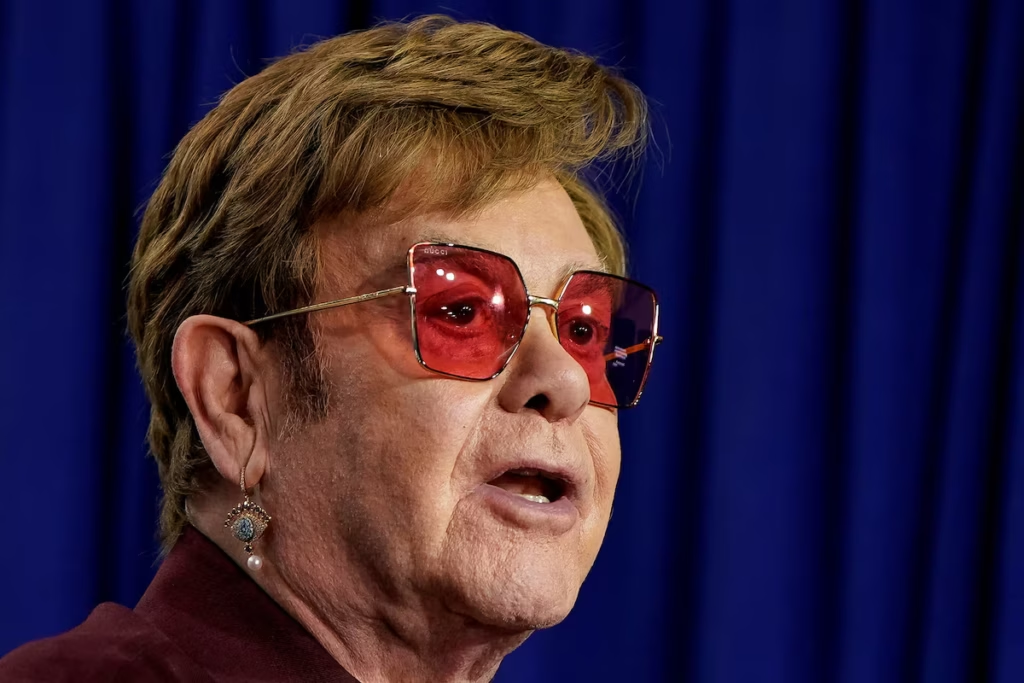
La légende britannique de la musique Elton John a vivement dénoncé dimanche les projets du gouvernement britannique visant à assouplir la protection des droits d’auteur dans le cadre du développement de l’intelligence artificielle. Il accuse l’exécutif de vouloir « commettre un vol » au détriment des artistes, en autorisant les entreprises technologiques à entraîner leurs modèles d’IA sur des œuvres créatives existantes sans compensation équitable pour leurs auteurs.
The United Kingdom, under the leadership of Labour Prime Minister Keir Starmer , aims to become a superpower in artificial intelligence. As part of this ambition, the government has proposed a reform that would allow developers to use any legally accessible content to train their models, unless the creators actively object. This so-called "opt-out" approach has sparked fierce opposition in the cultural sector.
Elton John, joined by other industry figures such as Paul McCartney, Ed Sheeran, and Andrew Lloyd Webber, expressed his anger in an interview with the BBC. "The danger is for young artists: they don't have the resources to monitor and fight the tech giants. It's criminal, and I feel terribly betrayed," he said. The artist, who has sold more than 300 million records during his career, emphasized that human creativity relies on passion and emotion, qualities that machines lack.
The singer, a vocal supporter of the Labour Party, said he wanted to continue to champion young talent, believing that the current proposals risked worsening the precariousness of creators in an already fragile sector.
The government, for its part, maintains that it wants to strike a balance between the growth of AI technologies and protecting the interests of the creative industries, which employ thousands of people in theater, film, music, advertising, and publishing. It says it is conducting extensive consultations and does not want to endorse any reform without being "fully convinced" that it benefits creators.
The controversy reflects a global debate about how advances in AI should be balanced with respect for copyright and fair compensation for artists.
Sources cited in the BBC article