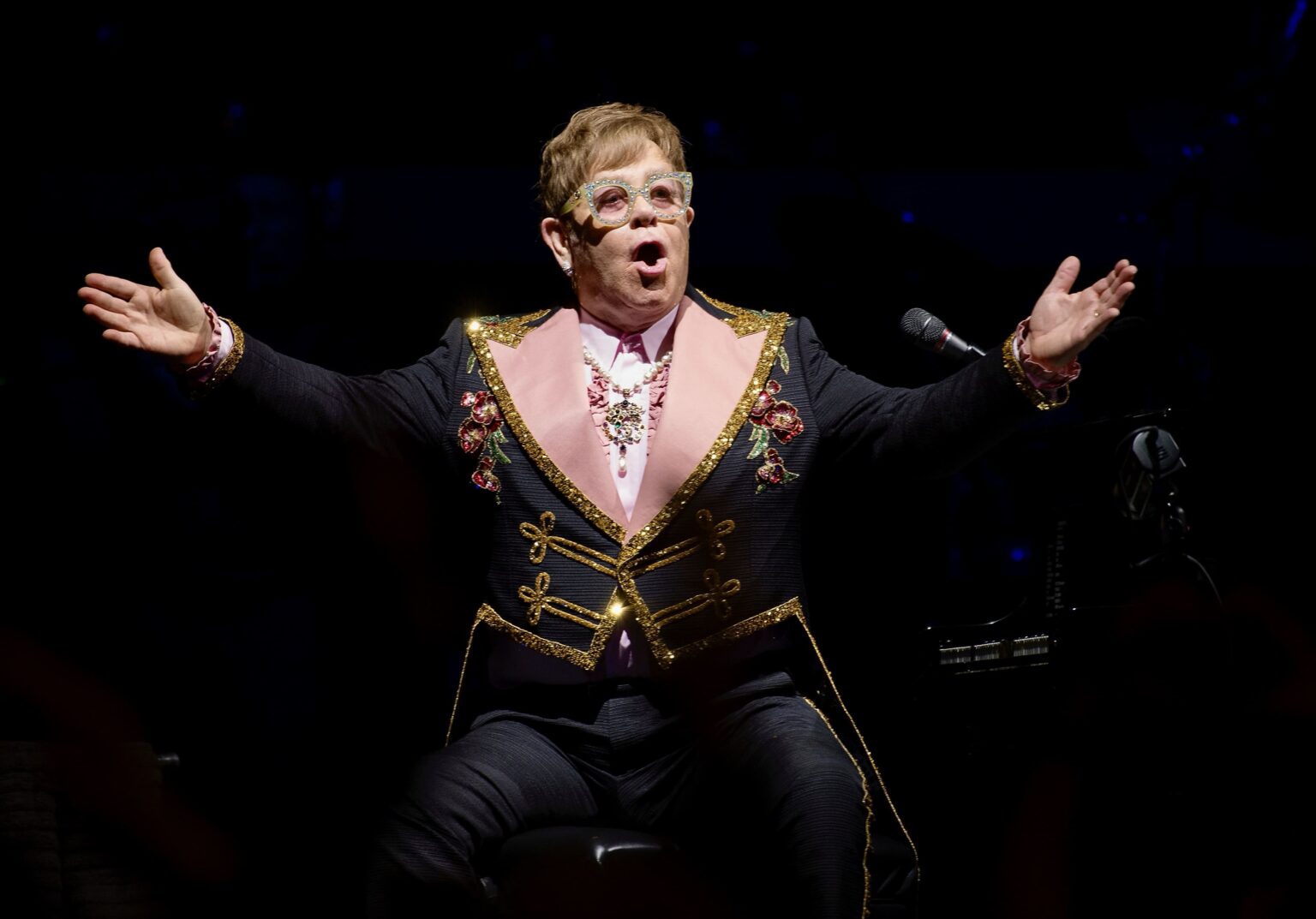
Lors d’une interview accordée à la BBC, Elton John a vivement critiqué le gouvernement de Keir Starmer, accusing him of "treason" after the House of Commons rejected a series of amendments aimed at better protecting copyright in the face of the rise of artificial intelligence. The controversial bill aims to allow AI companies to exploit works without the explicit permission of their creators, triggering a storm in the cultural world. “This project is criminal. I feel incredibly betrayed.”, Elton John said in an interview with the BBC.
“They want to rob young artists of their inheritance and their income. The members of this government are absolute losers. I am furious.”
At 78, the artist with five decades of career and multiple philanthropic commitments says he is ready to “fight to the end” , including in court, against what he considers a “large-scale theft”.
A reform favorable to tech giants
The core of the bill, backed by the Labour government, proposes a copyright exception that would allow the widespread use of content for training artificial intelligence algorithms, without the need to obtain consent or compensate the authors. Tech giants see this as an opportunity to accelerate innovation.
The government argues that these measures are essential to maintaining the UK's competitiveness in the strategic field of AI. Technology Secretary Maggie Jones warned of the "real risk" that innovators would leave the country if overly strict regulations are imposed. "We must not discourage AI pioneers from choosing the UK as their testing ground ," she told the House of Commons.
The art world is up in arms
Yet, the backlash is massive among artists. More than 400 figures from the musical and literary worlds, including Paul McCartney, Dua Lipa, Coldplay, Sting, and Kate Bush, signed an open letter last week calling for the defense of copyright in the face of the increasing automation of artistic creation.
The Lords, members of the upper house of Parliament, attempted to rectify this situation on Monday by passing an amendment requiring artists to be informed and give their prior consent before any use of their work by an AI company. But this attempt at compromise was rejected by MPs from the Labour majority in the House of Commons.
“How can a party I supported turn its back on artists?” exclaimed Elton John, who had publicly supported Labour in the July 2024 general election. “I deeply regret that support.”
A broader societal debate
This tug-of-war between culture and technology extends beyond the UK. Similar debates are underway in the European Union, particularly around the AI directive, while the United States is preparing to rule on the protection of works used in training AI models.
The case raises fundamental questions: Who owns cultural data? Should artists be compensated for the algorithmic use of their works? And how far should states go in favoring technological innovation at the expense of intellectual property?
As the bill continues its parliamentary journey amidst growing tension, Elton John promises to maintain the pressure. “I will not give up. It’s a matter of justice, ethics, and respect for all those who create.”
Sources cited in the BBC article