Faced with soaring fuel prices and supply tensions, Emmanuel Macron is increasing contacts in the Middle East while Sébastien Lecornu is extending targeted aid for the most exposed professional sectors until the end of the year, at the cost of further pressure on already weakened public finances.
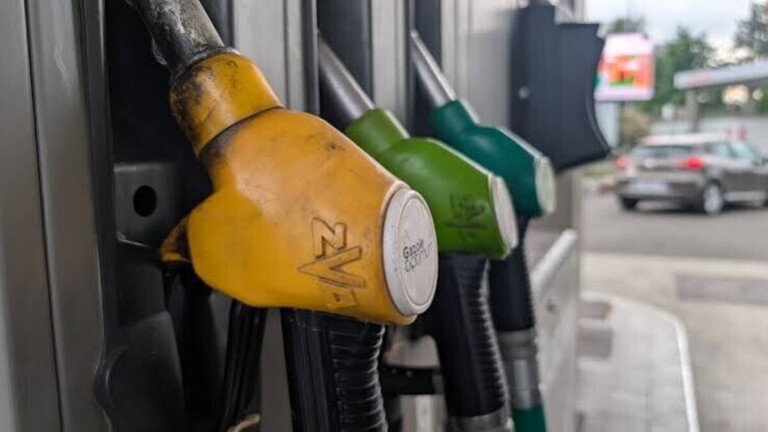
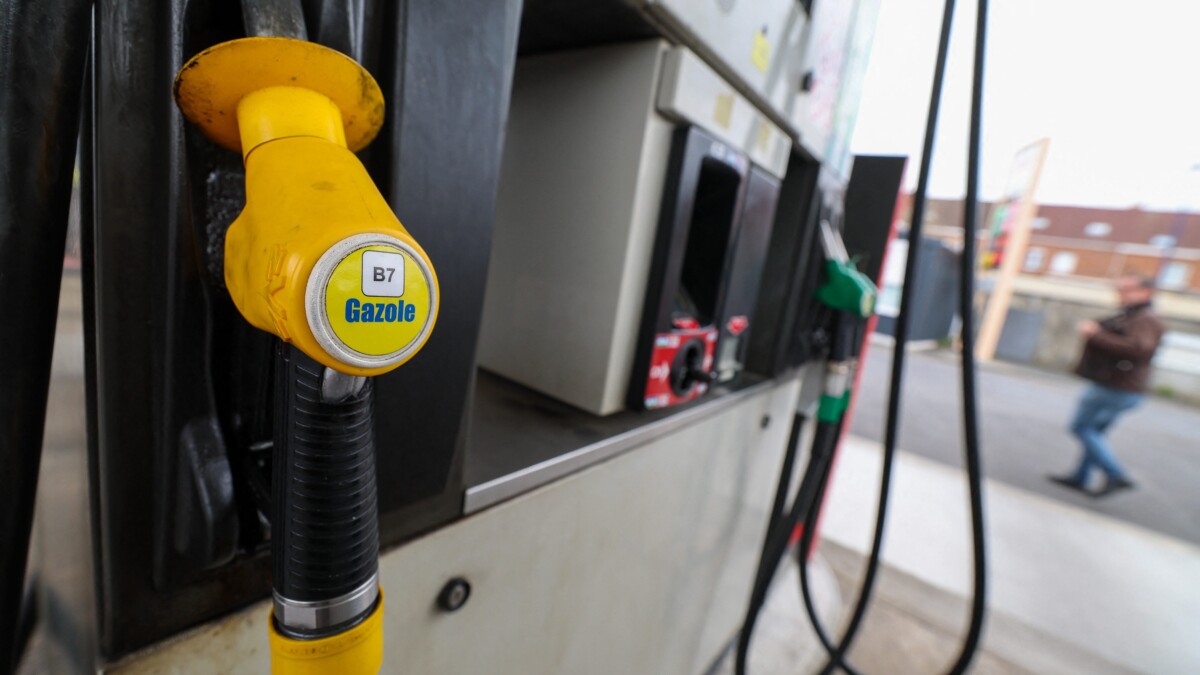
The fuel crisis presents the French government with a dual emergency: geopolitical on the one hand, and social on the other. Emmanuel Macron chose to speak directly on the social network X to affirm his commitment to "reducing tensions" in the oil markets, as approximately 10% of French service stations are experiencing supply difficulties. "When oil is under pressure, prices at the pump rise. I know what this means for the French people," he declared.
The head of state highlighted a series of diplomatic exchanges with key partners in the region: the Iraqi Prime Minister earlier in the week, followed by the Crown Prince of Saudi Arabia and the Emir of Qatar. The stated objective is to restore freedom of navigation in the Strait of Hormuz, through which a fifth of the world's hydrocarbon trade passed before the outbreak of the conflict between the United States and Iran, while simultaneously securing the energy infrastructure of partner countries. "More oil routes mean less dependence. Less dependence means greater security. And greater security means less pressure on prices," the president emphasized.
On a practical level, a joint Franco-Iraqi declaration published Monday by the Elysée provides that TotalEnergies and the Baghdad government will engage in discussions on several large-scale energy projects, aimed at strengthening Iraqi oil production.
On the domestic front, Prime Minister Sébastien Lecornu asked his ministers on Wednesday to extend until December 31st the targeted aid introduced last May, the initial cost of which was estimated at €1,2 billion. Fishermen, who have carried out several blockades in recent days, will see their aid increased from 25 to 35 cents per liter, the maximum allowed by the exceptional measure approved by the European Commission for their sector. Some maritime professionals have already dismissed this increase as a "smokescreen," arguing that these additional ten cents remain insufficient given the scale of the price surge.
The construction and public works sector will benefit from extended support of 20 cents per liter of non-road diesel, now also available to companies with fewer than 50 employees. Farmers will receive aid of 15 cents per liter, in addition to the emergency plan already in place to address droughts and severe weather.
These measures raise a thorny budgetary question. Extending the aid risks further burdening the 2027 budget, running counter to the government's stated efforts to reduce public spending. Some figures within the majority, including Édouard Philippe, are advocating for doubling this targeted aid, asserting that the necessary funding could be found through savings in government spending. This prospect is difficult to maintain given that French debt is being negotiated with creditors at around 4,5%, a rate unseen since the 2008 financial crisis, higher than those of Italy or Greece. Potential savings, particularly concerning certain pensions, as well as a possible reduction in the allowances of ministers and their advisors, are to be examined at a government seminar scheduled for Thursday at Matignon , before being presented to parliamentarians at the end of the month.