

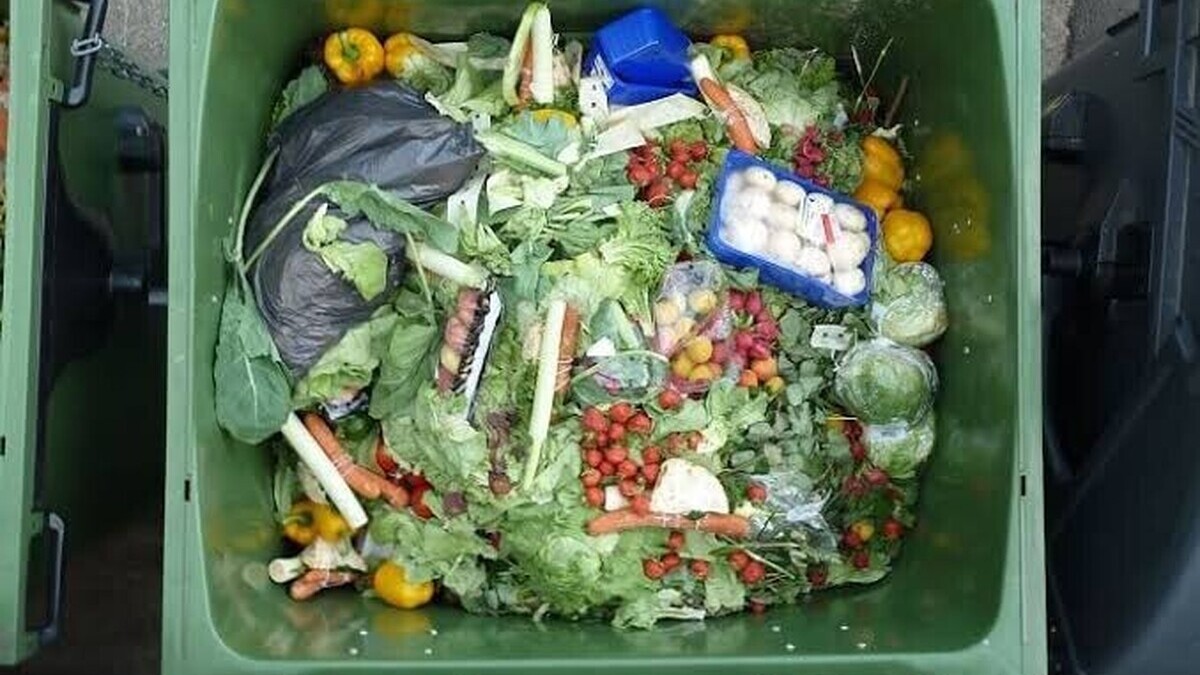
Food waste remains a major problem in France . According to the latest public data for 2024, 3,9 million tons of potentially edible food were wasted, or approximately 56 kilograms per capita. Despite awareness campaigns and measures taken to combat this phenomenon, a considerable amount of food continues to end up in the trash.
Each year, France produces approximately 10 million tons of food waste across the entire production and consumption chain. This total includes 6,1 million tons of materials considered inedible, notably bones and certain peelings. Food waste itself represents 3,9 million tons of food that could have been consumed. These figures demonstrate the scale of a phenomenon that affects farms, food processing industries, businesses, restaurants, and individuals alike. Losses occur at various stages, from harvesting to meal preparation.
Households play a significant role in this issue. In 2024, at-home consumption accounted for 43% of all food waste produced in France, ahead of industrial processing, agricultural production, and distribution. Several habits can explain this waste: buying excessive quantities, improper storage of products, overly large portions, or confusion between the different dates indicated on packaging. The "use-by" date, which relates to the food safety of certain foods, should not be confused with the "best before" date, after which a properly stored product can often still be consumed.
Economic and environmental consequences
Food waste represents more than just a financial loss for households. Producing, transporting, processing, and preserving food requires water, energy, farmland, and logistical resources. When a product is thrown away without being consumed, some of these resources have been wasted. This phenomenon also contributes to greenhouse gas emissions generated by the food system. Reducing waste is therefore a way to limit the environmental impact of food, while also reducing certain daily expenses.
Several simple actions can easily reduce the amount of food thrown away. Making a shopping list, checking the contents of your refrigerator, adjusting portion sizes, and freezing food before it spoils are among the most accessible solutions. Businesses and restaurants also have ways to take action, particularly through food donations, baskets of unsold products, and better inventory management. While the fight against food waste involves everyone in the food chain, it also starts in the kitchen. Better organization of shopping and meal planning can save money while reducing waste.







Respond to the article
Be the first to comment on this article.