

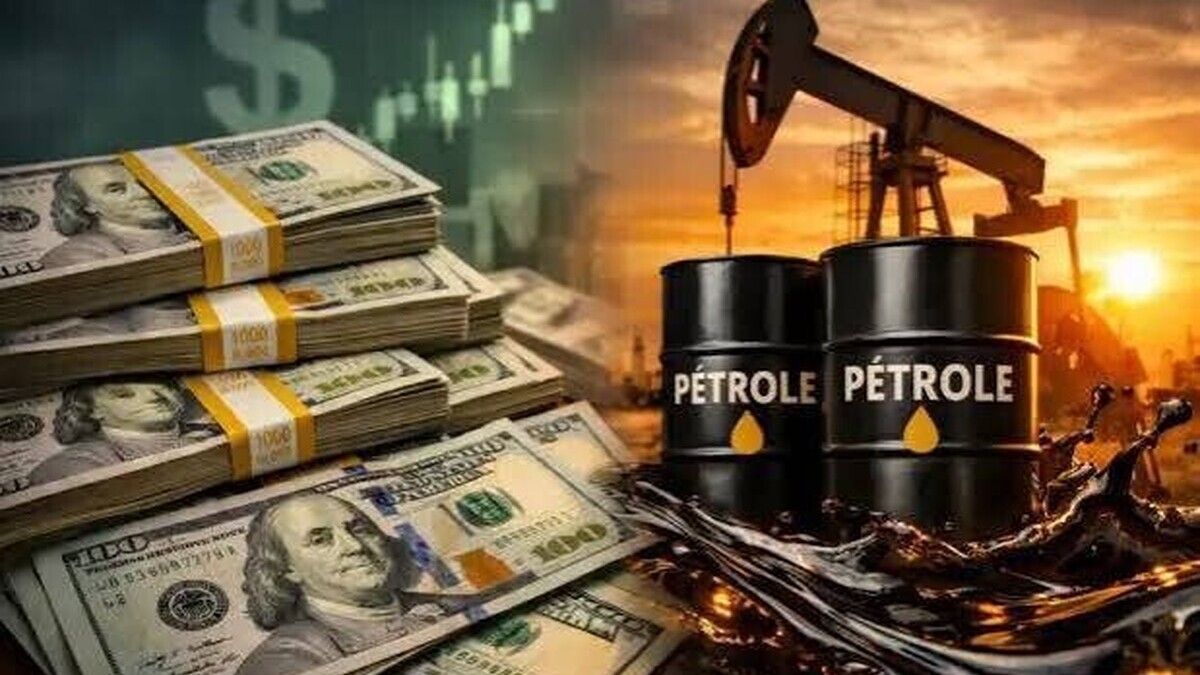
Oil prices continued their slide on Tuesday, November 10, 2026. After several sessions of decline, the price of Brent crude, the European market benchmark, fell back below the symbolic $90 mark, reaching approximately $89,66 in trading. This easing of tensions comes after statements by Donald Trump suggesting a possible military de-escalation with Iran. For French motorists, this drop could signal a gradual decrease in fuel prices, even though tensions in the Middle East continue to weigh on energy markets.
The oil market has seen a dramatic reversal after several weeks marked by high geopolitical tensions. On Tuesday, Brent crude from the North Sea fell below $90 a barrel, reaching levels not seen since the end of August. The previous day, prices had already dropped by nearly 6%, driven by renewed optimism regarding relations between Washington and Tehran. Oil had, however, reached particularly high levels in recent weeks, notably exceeding $110 a barrel at the end of October. This rapid decline illustrates the markets' sensitivity to diplomatic and military developments. Investors are now reassessing the risk of further escalation in the Middle East , a region essential to global energy supply.
The main factor behind this easing of tensions lies in the latest statements from the US president. Donald Trump indicated that he did not consider it necessary, at this stage, to launch new military strikes against Iran. This position comes as several Gulf countries , including Qatar, are intensifying their diplomatic efforts to prevent an escalation of the conflict. Markets immediately interpreted these statements as an encouraging sign for the security of oil supplies. However, the Strait of Hormuz, through which a significant portion of seaborne oil typically passes, remains a central concern. Despite the prospects for negotiations, several incidents have still been reported against ships and energy infrastructure in the region. The decline in prices is therefore based more on the hope of an improved situation than on the actual disappearance of risks.
Why are oil prices falling so rapidly?
The price of oil depends on available supply, global demand, and investor expectations. When a conflict threatens production facilities or shipping lanes, traders incorporate a risk premium into prices to account for potential supply disruptions. Conversely, when diplomatic prospects improve, this premium can decrease rapidly. This is precisely what appears to be happening now. Statements from the United States have eased concerns about a renewed phase of confrontation with Iran , leading to significant selling pressure on oil markets. US West Texas Intermediate crude is following the same trend, with its price returning to around $85 a barrel. Investors are also monitoring the production outlook of exporting countries and developments in global consumption, two factors that could either amplify or mitigate the decline.
This trend remains fragile, however. Military tensions in the Middle East have not disappeared, and several strategic infrastructures remain vulnerable. In Saudi Arabia , the East-West pipeline was recently targeted in an attack near Medina, causing a limited fire with no announced interruption of its operation. Incidents have also been reported near the Strait of Hormuz, while US authorities maintain military and naval pressure on Iran. A resumption of hostilities could therefore trigger another price rebound. Analysts also emphasize that the current decline does not necessarily signify a lasting return to normal supply conditions. For importing countries, particularly in Europe, the situation remains closely tied to the progress of negotiations and the security of maritime transport.
Will petrol and diesel prices finally come down?
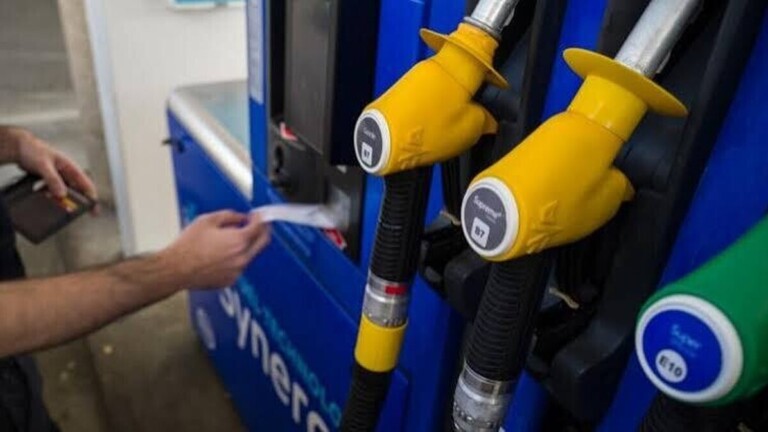
For French motorists, the decline in Brent crude is potentially good news. The price of crude oil represents a significant component of fuel costs, even though the price paid at the pump also depends on refining, transportation, distribution, taxes, and the euro-dollar exchange rate. A sustained decrease in international prices can therefore translate into lower gasoline and diesel prices, but this change is neither immediate nor proportional. Distributors must take into account, in particular, the prices at which refined products were purchased and the supply conditions. In France , fuels remain particularly expensive after several weeks of tension in the energy markets. Future developments will therefore depend on whether oil prices can remain at lower levels.
Beyond gas stations, the drop in oil prices could have positive consequences for several economic sectors. Airlines, road transport companies, and certain industrial activities are directly exposed to fluctuations in energy costs. A prolonged easing of prices could help reduce their expenses and, in the long run, limit some inflationary pressures. For households, a decrease in fuel prices would also represent support for purchasing power, particularly in areas where cars remain essential for daily commutes. However, economists remain cautious in the face of a market still dominated by geopolitical uncertainties. The fall of Brent crude below $90 is an important signal, but it does not guarantee a sustained decline. The coming days will be crucial in determining whether this easing signals a genuine stabilization of energy prices or merely a temporary respite in a still unstable international context.








Respond to the article
Be the first to comment on this article.