

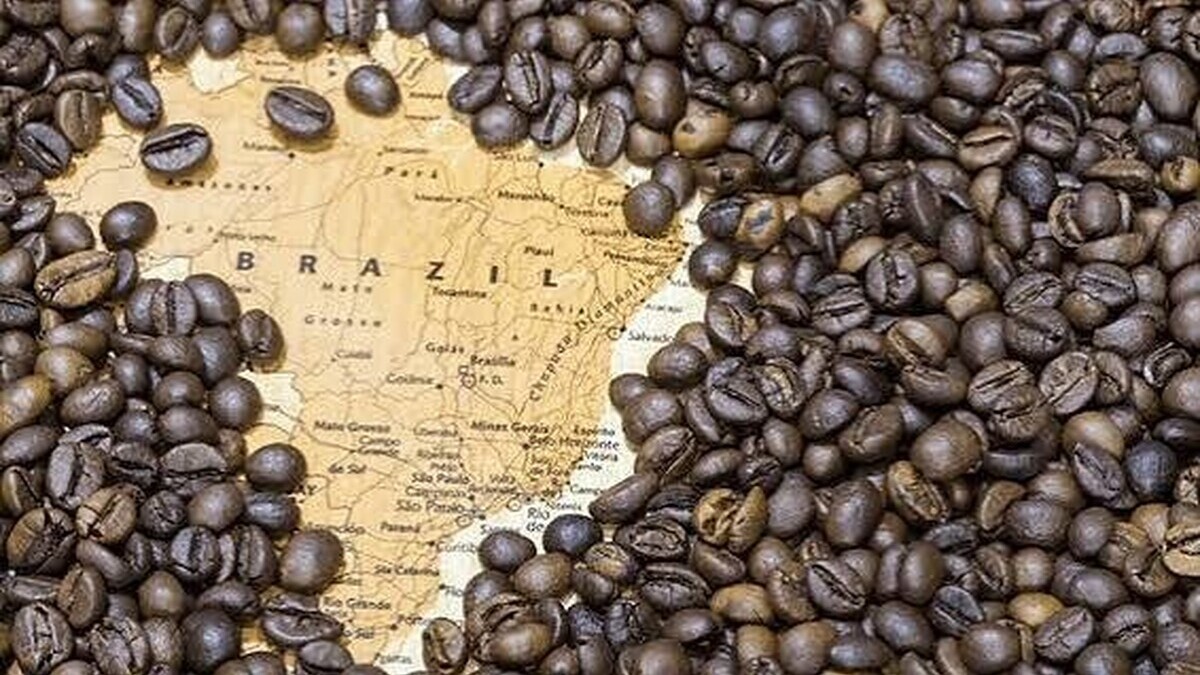
As the world's leading producer and exporter of coffee, Brazil occupies a central position in the trade of this beverage consumed daily by millions of people. Renowned for its smooth coffees with notes of chocolate and hazelnut, the country boasts an agricultural tradition dating back to the 18th century. Behind every cup lies a vast industry, now facing the challenges of climate change and fluctuating international prices.
Brazilian coffee is one of the country's most iconic agricultural products. Introduced to Brazil in the 18th century, its cultivation gradually developed into one of the pillars of the national economy. Today, plantations are located primarily in the states of Minas Gerais, São Paulo, Espírito Santo, and Bahia. Brazil produces two main coffee varieties: Arabica, particularly prized for its delicate aromas, and Robusta, often sold as Conilón in the country. This diversity allows producers to cater to a wide range of markets, from specialty coffees to blends for mass distribution.
The reputation of Brazilian coffee rests largely on its aromatic profile. Many Arabica beans grown in Minas Gerais have low acidity, a smooth texture, and notes reminiscent of chocolate, dried fruit, or caramel. These characteristics make them particularly prized for espressos, but also for milder preparations. However, there are significant differences between regions, varieties, and processing methods. Some producers now offer coffees with fruity and floral aromas, aimed at consumers seeking more complex flavors. Brazilian coffee, therefore, does not represent a single taste, but rather a multitude of terroirs and expertise.
A production that influences prices worldwide
Brazil's importance extends far beyond its borders. Due to its significant contribution to global production, weather conditions affecting its plantations can directly impact international prices. Prolonged drought, high temperatures, or frost in producing regions can reduce harvests and create market pressures. European roasters therefore closely monitor Brazilian production. Exchange rate fluctuations, transportation costs, and international demand also influence the price paid by consumers.
This dependence on climatic conditions represents one of the main challenges facing the sector. The coffee plant is sensitive to variations in temperature and water availability. Faced with droughts and heat waves, some producers are investing in irrigation, selecting more resistant varieties, and adopting new agricultural practices. Others are developing shade-grown crops or seeking to better preserve the soil. These adaptations require sometimes significant investments, particularly for small farms. The issue of sustainability thus becomes central to ensuring the future of Brazilian coffee production.
Specialty coffee is transforming Brazil's image
Long associated with mass production, Brazil has also established itself in the specialty coffee market. In several regions, farms are now emphasizing traceability, bean quality, and post-harvest processing methods. Natural drying, which involves allowing whole coffee cherries to dry before extracting the beans, is particularly widespread. This technique can promote rich and sweet flavor profiles. Producers are also experimenting with different fermentation and preparation methods to appeal to independent roasters and high-end coffee enthusiasts.
For consumers, choosing a Brazilian coffee means discovering a particularly diverse range of coffees. An Arabica from Minas Gerais will often suit those who prefer a balanced coffee, while certain varieties from Bahia or Espírito Santo offer different profiles. The freshness of the roast, the grind, and the extraction method also play a crucial role in the final cup. Whether prepared as an espresso, in a filter coffee maker, or with an automatic machine, Brazilian coffee remains a classic on the global market. Its future will depend as much on its ability to preserve its traditions as on the adaptation of its producers to new climatic and economic realities.









Respond to the article
Be the first to comment on this article.