

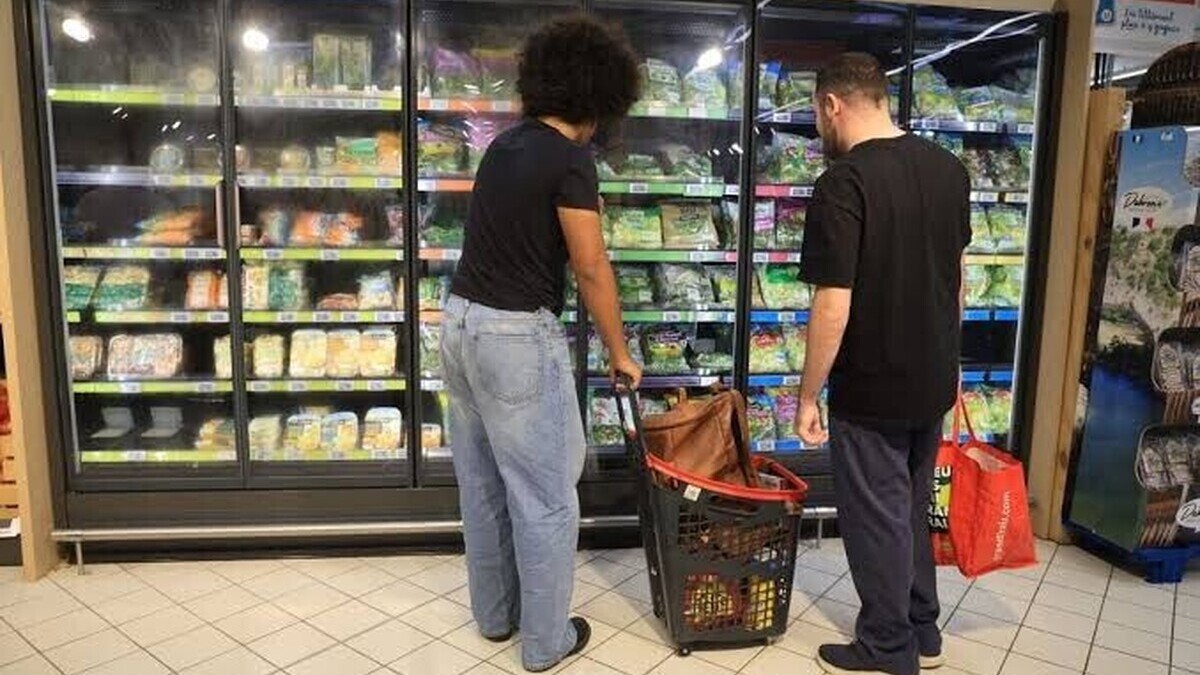
Inflation reached 3,4% year-on-year in October 2026, according to final INSEE data published on November 13. Beyond this national average, some spending categories saw significantly higher increases. Fuels, gas, and transportation were among the hardest hit, with direct consequences for household purchasing power.
Consumer prices continue to rise in France , but not all products and services are affected to the same extent. In October 2026, liquid fuels saw a dramatic increase of 69,9% year-on-year, followed by diesel, whose price rose by 46,7%. Gasoline saw an increase of 27,3%, while gas climbed by 27,1%. These changes place energy expenditure at the top of the ten categories selected in the INSEE data. They particularly affect motorists who use their vehicles daily, as well as households that rely on heating oil or gas.
Transportation is also among the sectors affected by these price increases. Airfares have risen by 14,4% year-on-year, while rail travel has increased by 5,4%. For French people who travel regularly for work or personal reasons, these changes can represent a significant additional cost. The rise in fuel prices is also impacting the budgets of households living in areas where alternatives to private cars remain limited. These increases are occurring in a context where unavoidable expenses already represent a significant portion of family finances.
Food, accommodation and insurance are also included
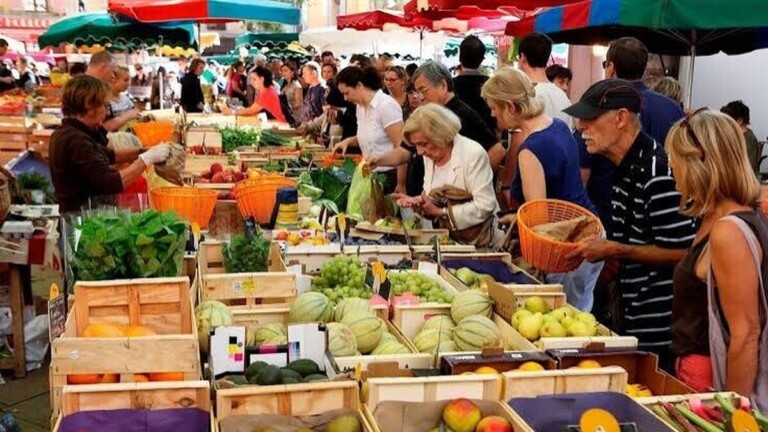
Food is not immune to this inflationary trend. Fresh produce prices have risen by 8% year-on-year, which can put a strain on daily expenses. Fruits, vegetables, and other perishable goods are regular purchases for many households, even though their prices fluctuate depending on the category and the season. Accommodation costs, meanwhile, have increased by 7,2%, illustrating the pressures also affecting certain services. These variations show that inflation is not limited to energy but impacts several aspects of consumption.
Insurance premiums are rising by 5,1% annually, while communication services are increasing by 4,1%. These items may seem less dramatic than fuel, but their recurring nature makes them particularly important for household budgets. Car or home insurance, a telephone subscription, or an internet connection represent regular expenses whose accumulation can reduce available cash flow. For consumers, the challenge often lies in absorbing several simultaneous increases, even when each one seems relatively small.
Why a 5% increase can cost more than a 20% increase
The ranking of price increases doesn't necessarily reflect their actual impact on French household budgets. A significant increase in an expense may have a limited impact when it represents a small portion of household income. Conversely, a more moderate increase in a major expense can lead to a considerable additional outlay. For example, a 10% increase on a €100 bill represents €10, while a 5% increase on a €1,000 bill corresponds to an additional €50. It is therefore essential to distinguish between the rate of increase and the amount actually paid.
This difference explains why the perceived impact of inflation varies considerably depending on individual circumstances. A driver traveling dozens of kilometers each day will be more affected by rising diesel prices than someone who relies exclusively on public transportation. Similarly, the consequences of increased heating costs depend on the type of housing, its insulation, and the energy source used. The national price index is based on an average consumption pattern that doesn't perfectly reflect the individual habits of each household.
How to limit the impact of price increases on your budget?
Faced with this situation, several strategies can help to better control expenses. For fuel, comparing prices at the pump and combining some trips can help reduce the bill. Regarding energy, it's useful to examine separately the price per kilowatt-hour, the subscription cost, and actual consumption. A higher bill doesn't necessarily mean the rate has increased proportionally: higher consumption can also explain the difference. This distinction makes it easier to identify areas where savings are still possible.
For insurance and subscriptions, consumers can compare available offers and verify the coverage actually included in their contracts. Annual increases should be examined using contractual documents and payment notices, rather than relying solely on national averages. Households can also track their spending over several months to distinguish seasonal fluctuations from sustained increases. This method provides a more accurate picture of the impact of inflation on their financial situation.
Purchasing power remains a central concern
Even when overall inflation slows, consumers don't automatically see prices return to pre-pandemic levels. A slower rate of increase simply means that prices are rising less rapidly, not falling. This distinction is important for understanding the feeling of lost purchasing power expressed by some households. Successive price increases can accumulate over the years, particularly on essential expenses such as energy, food, and transportation.
With annual inflation projected at 3,4% in October 2026, the cost of living remains a major economic issue. The sharp increases observed in certain sectors serve as a reminder that the national average masks very different situations. For the French, the key is to monitor the evolution of their own spending and disposable income. Because behind the statistics, it is the ability to afford housing, transportation, heating, and everyday consumption that truly determines the concrete consequences of inflation.






Respond to the article
Be the first to comment on this article.