

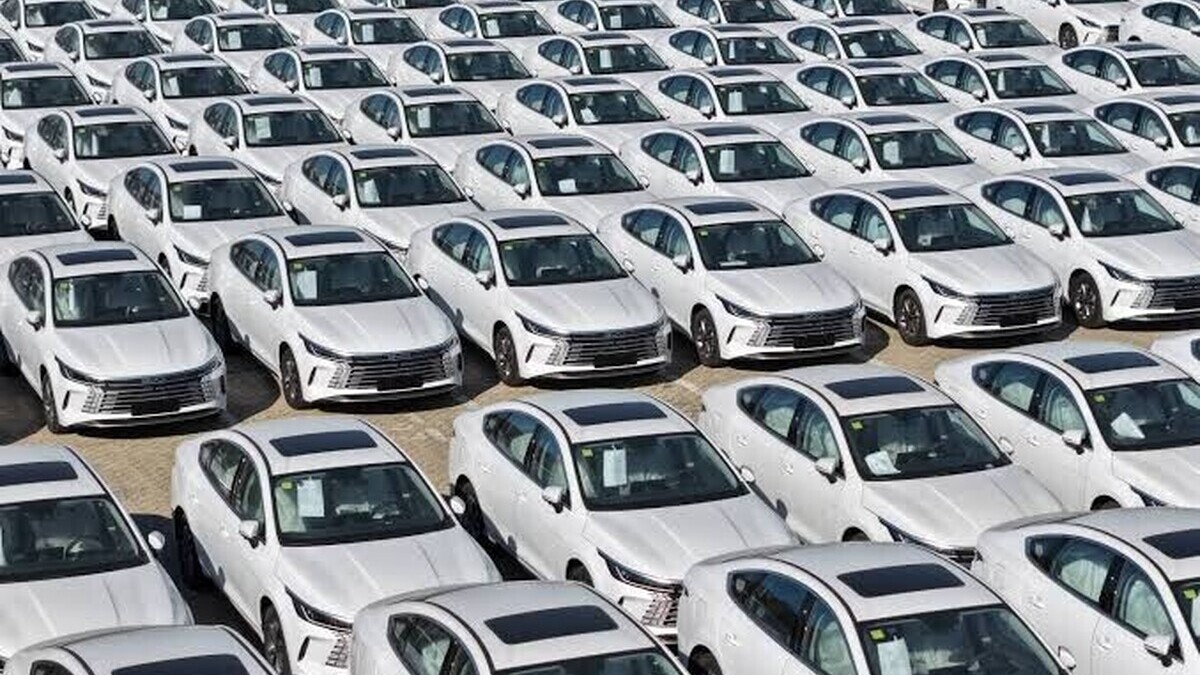
The European Union is restricting imports of hybrid cars from China, in accordance with an agreement reached last month with Beijing. This measure comes amid increased competition between European and Chinese automakers, as the energy transition profoundly transforms the global automotive market. Hybrid vehicles are playing an increasingly important role in manufacturers' business strategies.
From December 1, 2026, Chinese imports will be capped at 350,000 vehicles per year, roughly half the volume expected this year. The measure, published this Tuesday, November 24, in the Official Journal of the European Union, will be provisionally applied for 200 days. Other exporting countries, including Japan, the United Kingdom, Turkey, South Korea , and the United States, will also be subject to specific quotas. EUR-Lex+1
Brussels seeks to protect its automotive industry
The growth of Chinese manufacturers in the European market is particularly significant. Imports of hybrid vehicles from China have increased from approximately 46,000 units in 2023 to over 302,000 in 2025. The European Commission believes that this rapid increase, combined with prices lower than those of European producers, threatens the competitiveness, jobs, and investment capacity of the continent's automotive industry. EUR-Lex
This measure extends the trade restrictions adopted by Brussels concerning fully electric vehicles manufactured in China. Beijing, however, reiterated its commitment to respecting World Trade Organization rules and reserves the right to defend the interests of its manufacturers. The implementation of definitive measures will depend on the conclusions of the European investigation and the support of member states. The challenge remains to preserve European industrial capacity without provoking a new trade escalation with China. MarketScreener Saudi Arabia+1



Respond to the article
Be the first to comment on this article.