

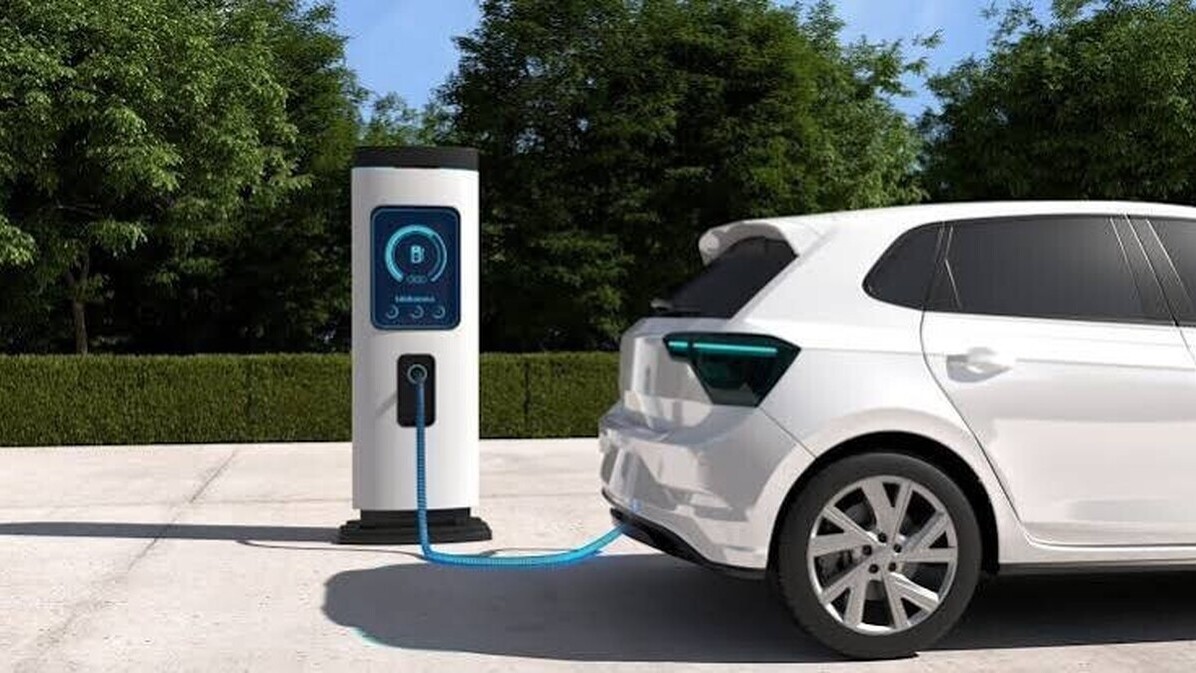
The European automotive market is experiencing a dramatic acceleration in its energy transition. In October 2026, electric car registrations increased by more than 50% year-on-year across Europe, while France saw a rise of nearly 80%. Fully electric vehicles now represent almost a quarter of new car registrations in the European Union, confirming the gradual transformation of purchasing habits.
This growth is largely due to manufacturers expanding their product ranges and purchase incentive programs. Consumers now have access to models covering a wider range of segments, with more affordable vehicles and driving ranges suited to different uses. At the same time, registrations of gasoline and diesel cars continue to decline.
Traditional car manufacturers under pressure from Chinese competition
This trend particularly benefits Chinese brands, which are strengthening their presence on the European continent. BYD, Chery, Leapmotor, and Xpeng are experiencing strong growth, while several established groups are seeing their registrations decline. For Renault, Volkswagen, and Stellantis , the market transformation necessitates a rapid adaptation of their industrial strategy.
Despite this momentum, several obstacles remain, notably the purchase price, the accessibility of charging stations, and uncertainties surrounding resale value. The coming months will reveal the electric vehicle market's capacity to continue its growth beyond current incentive programs. For the European automotive industry, this acceleration represents both a commercial opportunity and a major industrial challenge.



Respond to the article
Be the first to comment on this article.