

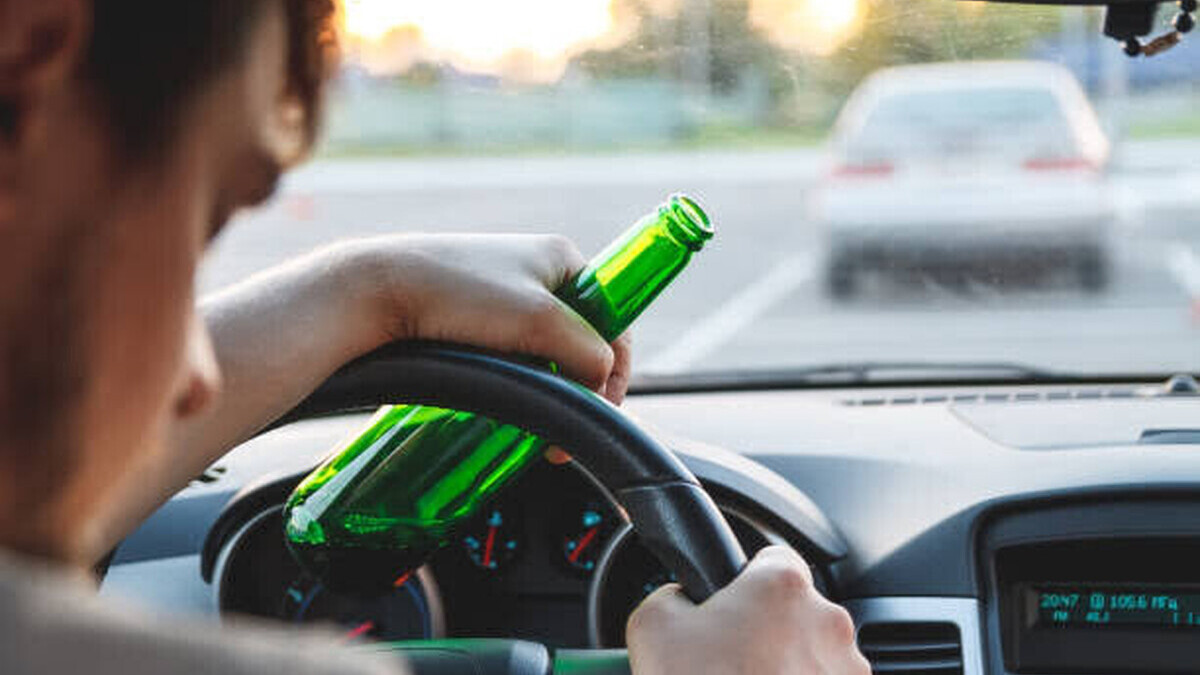
Alcohol remains one of the leading causes of death on French roads, despite prevention campaigns and stricter penalties. Implicated in nearly a third of fatal accidents, alcohol consumption reduces reflexes, impairs alertness, and encourages dangerous driving behavior. Adding to this persistent problem is another cause for concern: the rise in experimentation with alcoholic beverages among minors, which raises questions about the effectiveness of prevention policies targeting younger generations.
In France , the legal blood alcohol limit for driving is set at 0,5 grams per liter for most drivers and 0,2 grams for those with a probationary license. Despite these regulations, risky behaviors persist, particularly during parties and celebrations. Alcohol consumption can also exacerbate the effects of fatigue and excessive speed, significantly increasing the risk of accidents.
A worrying normalization of alcohol among teenagers
The rise in experimentation among minors highlights the unique place alcohol holds in French society. Often associated with family meals, celebrations, and convivial gatherings, it benefits from a social acceptance that can help minimize its dangers. However, early consumption presents specific risks for adolescents, whose brains are still developing. In particular, it can foster addictive behaviors and lead to consequences for their physical and mental health.
While the sale of alcohol to minors is prohibited in France, its accessibility within family and friend circles remains a significant prevention issue. Raising parental awareness, enforcing the ban on sales to minors, and providing education about the risks are essential tools. Beyond traffic penalties, combating the dangers of alcohol also requires challenging its normalization in daily life.










Respond to the article
Be the first to comment on this article.