

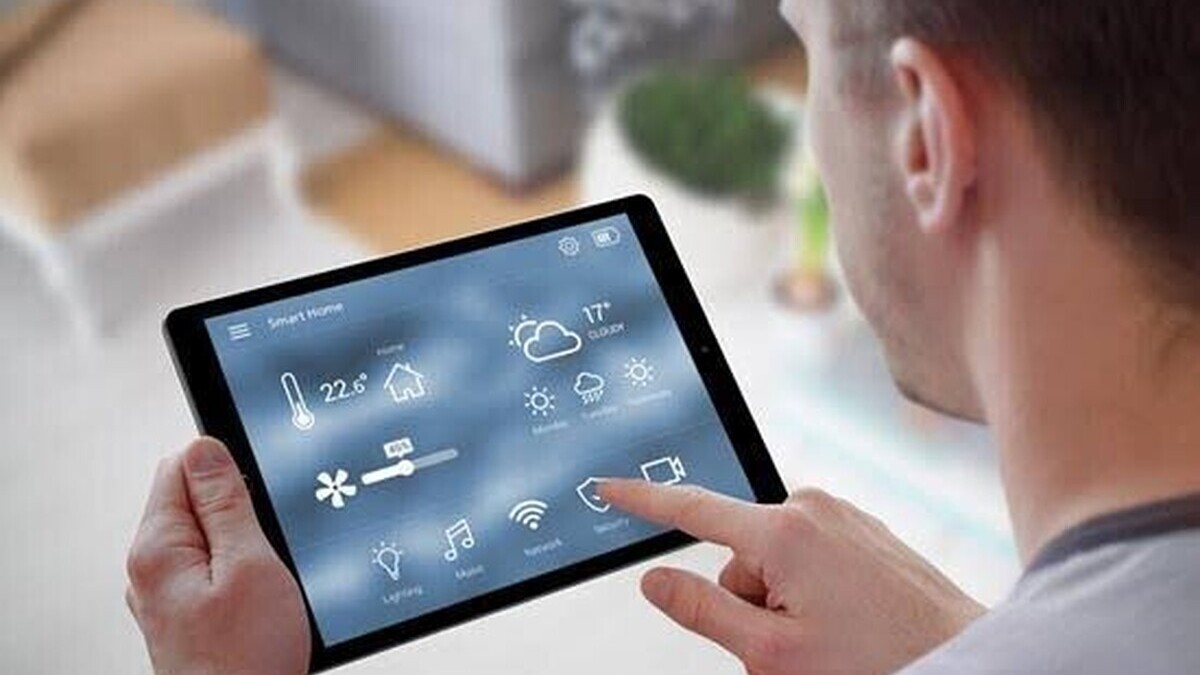
Surveillance cameras, televisions, thermostats, or refrigerators: connected devices are multiplying in households. But these devices can also serve as entry points for cybercriminals. A misconfiguration or a weak password is sometimes enough to compromise the security of a device.
Connected devices promise to simplify daily life. They allow remote control of heating, monitoring of the home, or programming certain equipment from a smartphone. This convenience generally relies on an Internet connection and applications capable of communicating with the devices.
But this permanent connection also represents a risk. Like computers and phones, home devices can have cybersecurity vulnerabilities. When unpatched, some flaws allow malicious actors to access device functions or personal information.
Sometimes insufficiently protected devices
The problem particularly concerns older devices, those no longer receiving updates, or those whose security settings have never been changed. Some users notably keep default passwords, which are sometimes known or easily identifiable.
A poorly secured connected camera can thus expose private images. Another compromised device can serve as a foothold to attempt to reach devices on the same network. The consequences, however, depend on the home’s configuration and the protections in place.
Some precautions to limit risks
The first measure is to replace default passwords with strong and different credentials for each service. It is also recommended to install updates offered by manufacturers and to disable remote access functions when they are not necessary.
Before purchasing a device, checking the duration of software support is also a useful habit. A connected device is not just a household or electronic appliance: it is a computer device that must be maintained and protected throughout its usage period.








Respond to the article
Be the first to comment on this article.