

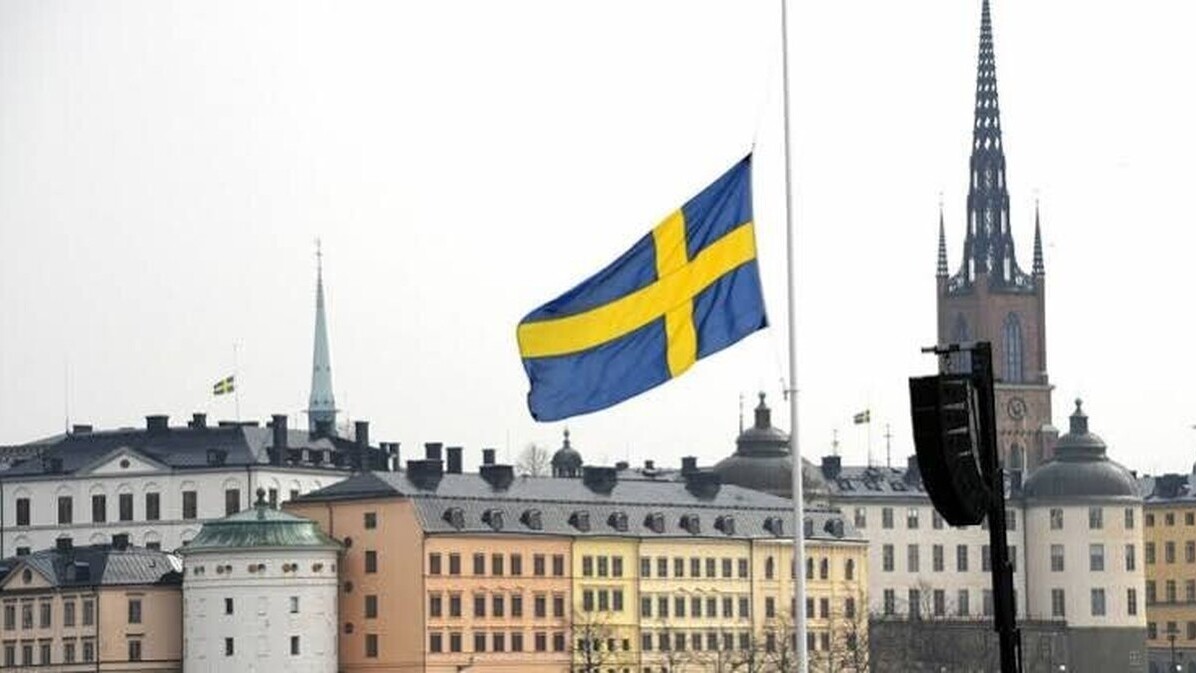
The Swedish Parliament adopted a constitutional amendment on Wednesday, November 11, allowing, under certain conditions, the withdrawal of citizenship from individuals holding another nationality. Approved by 292 votes to 51, this reform targets, in particular, fraudulent naturalizations and convictions for crimes that seriously harm the country's interests. Its implementation will, however, require the adoption of a new law.
Sweden has taken a significant step in tightening its citizenship laws. On Wednesday , November 11, members of parliament approved a constitutional amendment that would allow for the revocation of Swedish citizenship from certain dual nationals. Until now, the constitutional framework largely protected citizens who had resided in the kingdom from such a measure. Now, the legislature will be able to make exceptions in two situations: when citizenship was obtained based on false information or when a person has been convicted of offenses that seriously harm the vital interests of the state.
The text garnered a large majority, with 292 votes in favor and 51 against. This adoption constitutes the second step in a constitutional procedure requiring two parliamentary votes separated by legislative elections. The first vote took place in May 2026, before the September 13th election. The new constitutional provision is scheduled to enter into force on January 1, 2027. However, it will not, on its own, allow for the immediate stripping of citizenship: ordinary law will still need to define the offenses concerned, the applicable procedures, and the legal safeguards.
A reform driven by security concerns
The center-right government led by Ulf Kristersson initiated this discussion as part of its policy to combat organized crime. Supported in Parliament by the Sweden Democrats, a nationalist party opposed to immigration, the government specifically wanted to be able to take action against certain dual nationals involved in particularly dangerous criminal networks. Swedish authorities also mentioned offenses related to terrorism and threats to national security. However, the constitutional wording adopted remains general, leaving it to the future legislature to define precisely which convictions could justify the revocation of citizenship.
The implementation of this reform comes at a particularly sensitive political time. Since the parliamentary elections in September, Swedish parties have struggled to form a new government. Ulf Kristersson is currently leading a caretaker government while political negotiations continue. It will therefore be up to the next government to present the legislation necessary to implement the reform. The debate will notably need to focus on the criteria used to define a serious threat to the country's interests and on the legal remedies available to those affected.
Human rights advocates denounce a risk of inequality
The reform has drawn criticism from civil liberties organizations. Civil Rights Defenders believes it could create unequal treatment between Swedish citizens holding only Swedish citizenship and those with a second passport. The latter could lose their citizenship under certain circumstances, unlike those who would become stateless as a result of such a decision. The organization thus raises questions about equality before the law and the potentially conditional nature of citizenship for a segment of the population.
Supporters of the reform, for their part, believe it will better protect the fundamental interests of the state and punish naturalization fraud. The system must nevertheless respect Sweden's international commitments, particularly conventions relating to the prevention of statelessness and the protection of fundamental rights. With this vote, Stockholm opens a new chapter in its citizenship policy, without yet having established all the rules for its implementation. The next government will now have to transform this constitutional possibility into a precise legal framework, in a debate that directly concerns the definition of the rights and obligations attached to Swedish citizenship.









Respond to the article
Be the first to comment on this article.