

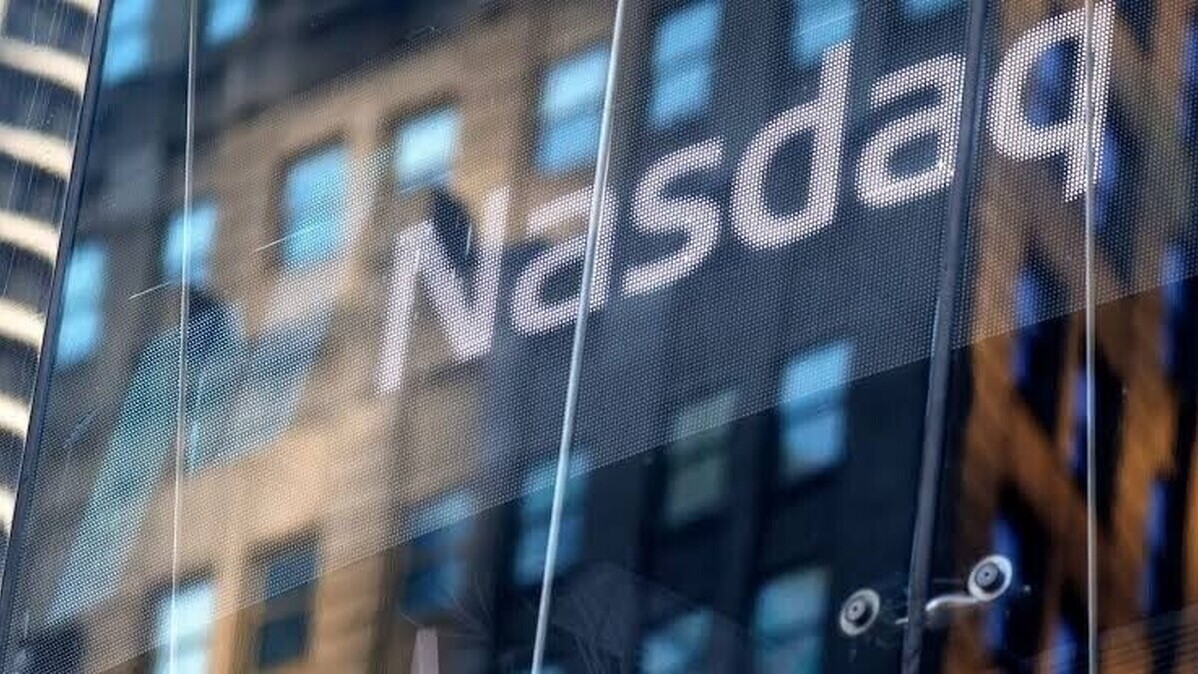
After a dark week marked by colossal losses on global markets, artificial intelligence-related stocks began a partial rebound on Friday, without erasing the deep concerns that caused the storm.
The correction began in the United States on Thursday before spreading to Asian and European markets. In South Korea , the Kospi index fell 6% on Friday alone, with semiconductor manufacturer SK Hynix seeing its shares plunge by more than 10%. In Europe, the main German, French, and Spanish stock markets also closed in the red. In London, the FTSE 100 declined by 1,01%, as traders absorbed the Bank of England's decision to raise interest rates, with the prospect of another increase to come.
The Democrats' victory in the US midterm elections played a central role in this wave of distrust. Several party candidates had campaigned on establishing new regulations governing artificial intelligence and data centers, and the party has since won control of both houses of Congress, as well as crucial races in key states at the heart of the AI infrastructure race. President Donald Trump reaffirmed his support for what he calls "superintelligence" on Friday, arguing that only "stupid leadership" could "reject the riches it brings."
Russ Shaw, founder of the technology advocacy firm Tech London Advocates, believes the election result sends a clear signal. "The incoming Congress will focus very heavily on AI," he said, adding that companies in the sector were "not communicating effectively at all" about the tangible benefits of the technology.
Pierre Baqué, CEO of the AI platform Neural Concept, described these stock market movements as a "necessary market correction," reflecting legitimate concerns about the astronomical sums being poured into artificial intelligence infrastructure. "The industry needs to move beyond unbridled infrastructure investment and demonstrate greater financial discipline," he stated, referring to a critical transition phase, a "market purgatory" where raw technology must prove its economic value at scale.
In this mixed picture, the US jobs figures offered a more reassuring note. The US economy added 165,000 jobs in October, a figure significantly higher than analysts' forecasts and more than double the expected monthly average. The unemployment rate fell slightly to 4,1%, compared to 4,2% in September, maintaining the stability observed since March. Neil Birrell, chief investment officer at Premier Miton, emphasized that these figures, although overshadowed by stock market volatility, remained important: "The US economy is running at full capacity, which suggests that the risks currently worrying the markets may not pose as great a threat to the real economy as feared."
The question now is how sustainable the rebound will be. Dan Coatsworth, head of markets at AJ Bell, summed up the prevailing uncertainty: "Once investors have had a breather this weekend, next week should give a clearer indication of whether the technology sector is sinking or fighting to recover."









Respond to the article
Be the first to comment on this article.