

More than 200 French women writers signed an open letter published Friday, November 6, in Libération, denouncing what they see as the sexism present in the awarding of major literary prizes. Among the signatories are Annie Ernaux, the 2022 Nobel laureate in Literature, Virginie Despentes, Anne Godard, Anne Berest, and Aurélie Valognes. Their mobilization comes after a literary season in which all five major French prizes were awarded to men. The authors condemn a system that, in their view, reflects neither the diversity of contemporary writing nor the place of women in the publishing world. They call for a transformation of the juries and the methods of selecting the winners, arguing that the current rules contribute to maintaining long-standing imbalances.
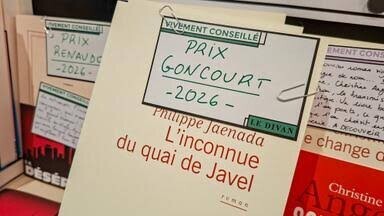
This year's prize list is the starting point for their protest. Philippe Jaenada won the Goncourt Prize for *L'Inconnue du quai de Javel *, François-Henri Désérable the Renaudot Prize for * Le Palais *, Yannick Haenel the Femina Prize for *La solitude des professeurs est infinie *, Philippe Vasset the Médicis Prize for * Dans les grandes lignes* , and Sébastien Lapaque the Grand Prix du Roman of the French Academy . The signatories point out that several novels written by women had nonetheless received favorable reviews from critics and booksellers. They particularly question the choices of the Femina jury, composed exclusively of women, as well as those of the Médicis jury, which awarded the only man among the seven finalists. For the authors, this series of decisions goes beyond mere coincidence and reveals a structural problem in the functioning of major literary institutions.
Juries accused of operating in isolation
Beyond this year's results, the signatories are questioning the composition and renewal of the juries. They denounce, in particular, co-optation mechanisms and the presence of members appointed for very long periods, sometimes for life. According to them, these practices encourage the perpetuation of the same selection criteria and limit openness to other literary sensibilities. The open letter, initiated notably by the philosopher Camille Froidevaux-Metterie and the writers Louise Chennevière and Anne Godard, calls for regularly renewed juries that respect gender parity and represent greater editorial diversity. The signatories also believe that certain themes addressed in novels written by women, particularly sexual violence and incest, remain insufficiently recognized by traditional literary institutions. Finally, they emphasize that female authors from diverse backgrounds face particular difficulties in reaching the final selections.
This mobilization also raises the question of the economic consequences of literary prizes. Winning the Goncourt, the Renaudot, or the Femina can significantly increase a book's sales, prolong its shelf life, and boost the author's profile. The signatories therefore believe that the jury's choices directly influence writers' career prospects and incomes. Nevertheless, some women were recognized this year in other categories: Anne Godard received the Prix Décembre, Lucie Rico the Prix de Flore, and the American Laura Kasischke the Prix Femina étranger. In 2025, three of the five major prizes had already been awarded to women writers, a reminder that the winners vary from year to year. The opinion piece published on Friday does not call for the automatic awarding of prizes to women, but rather for a reform of the criteria used to evaluate works. It thus reignites a recurring debate on the representativeness of French literary institutions and their capacity to recognize the diversity of contemporary writers.










Respond to the article
Be the first to comment on this article.