

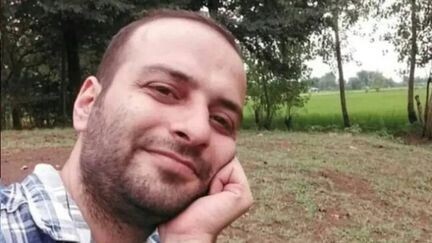
More than 350 writers and literary figures have launched an international appeal urging Iranian authorities to spare a poet threatened with the death penalty. This mobilization highlights ongoing concerns about freedom of expression and fundamental rights in Iran. It takes place in a country where capital sentences regularly provoke protests from human rights organizations.
The international literary community is mobilizing to try to prevent the execution of an Iranian poet. More than 350 writers have supported an appeal addressed to the authorities in Tehran, urging them to renounce the application of the death penalty. This initiative aims to draw public attention to the individual’s fate and to exert diplomatic and moral pressure on Iranian officials.
The mobilization of authors from different countries recalls the special place literature holds in debates on freedom of expression. Writers may face prosecution when addressing political, religious, or social topics considered sensitive by their country’s authorities. In this context, international solidarity campaigns seek to protect those threatened and to reaffirm the fundamental principles of creative freedom.
The death penalty remains a major concern in Iran
Iran is among the countries that regularly apply the death penalty. International human rights organizations have for several years denounced the number of executions as well as the conditions of certain judicial procedures. Concerns notably focus on the guarantees granted to the accused, access to effective defense, and the proportionality of the sanctions imposed.
Cases involving writers, journalists, or activists attract particular attention because they also raise the issue of freedom of expression. Human rights defenders believe that opinions and literary creations must be able to be expressed without exposing their authors to disproportionate sanctions. Iranian authorities, for their part, defend their judicial system and regularly contest criticisms made abroad.
The literary community seeks to influence the authorities
Collective appeals are one of the means used by writers to support their threatened colleagues. Their impact relies notably on the notoriety of the signatories, the international dissemination of the message, and media attention. These initiatives can help keep a case in the public debate, even when they have no direct legal power.
The outcome of this mobilization will depend on decisions made by Iranian authorities and any diplomatic efforts undertaken. Beyond the individual fate of the poet concerned, the appeal by more than 350 writers highlights the ongoing tensions between repressive policies and the international defense of fundamental freedoms. It also recalls the role that cultural circles can play in mobilizing public opinion in the face of death sentences.








Respond to the article
Be the first to comment on this article.