

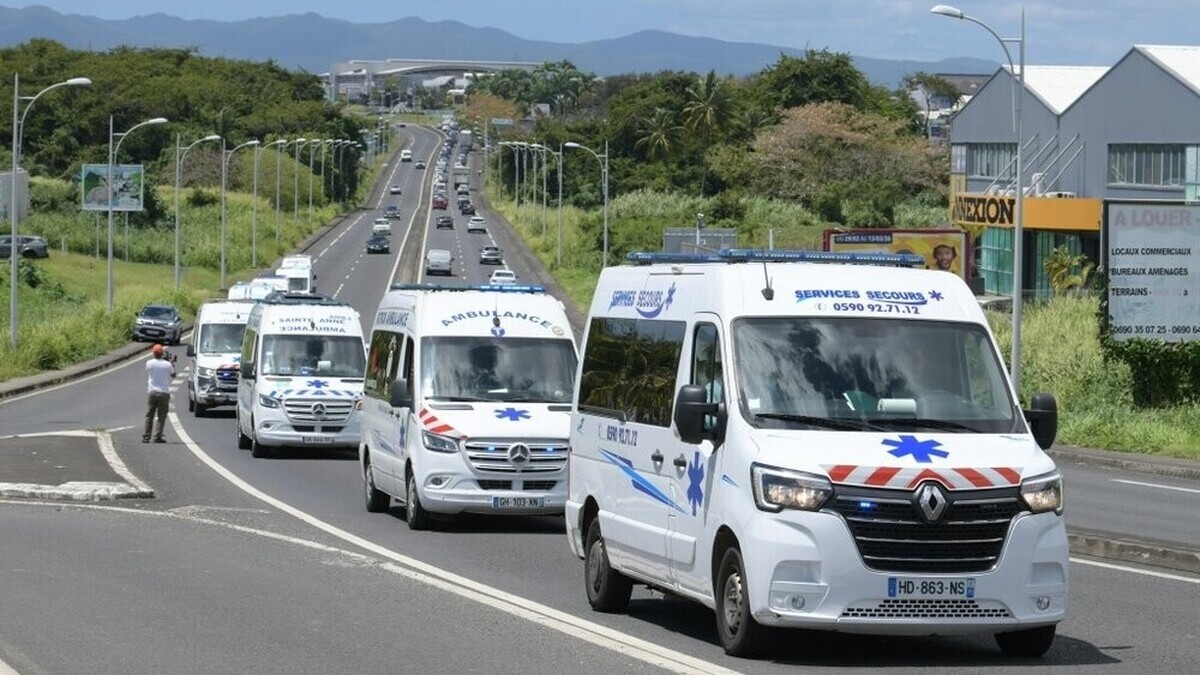
On the roads of French Guiana, an ambulance is more than just a vehicle; it's often the last link between an isolated community and medical care. And this link is becoming dangerously strained. Medical transport companies are sounding the alarm: the sharp rise in diesel fuel prices is putting their finances to the test, and behind the figures lies the very continuity of care that is faltering.
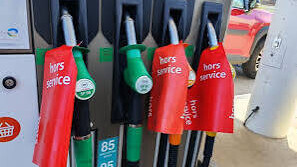
Suddenly, the bill skyrocketed. On May 1st, the price of diesel jumped 20 cents per liter, reaching €2,19 at the pump, compared to around €1,65 just four months ago. In a vast territory where distances are unforgiving, the costs quickly add up, and the president of the ambulance drivers' union summed it up in a striking phrase: "We'll be asking ourselves some serious questions before going to see a patient." A way of saying that by constantly operating at a loss, even the vocation of the profession is hitting the wall of reality.
Fuel accounts for roughly a quarter of ambulance companies' expenses. The government has announced a subsidy of 70 euros per vehicle, a gesture deemed woefully inadequate by the industry. Their revenues, meanwhile, remain frozen: medical transport rates are set by Social Security and have not kept pace with soaring costs, leaving companies caught between service obligations and an unforgiving accounting system.
When every kilometer weighs heavily
Here, the word "journey" doesn't have the same meaning as in mainland France. Trips to Saint-Laurent-du-Maroni or Saint-Georges are measured in tens of kilometers, sometimes much more, with access and time constraints that keep crews tied up for extended periods. In this context, each mission resembles an equation: availability, fuel, deadlines, and the recurring question in the field of safety during certain sorties, especially at night, when tensions can rise and isolation becomes a real issue.
At the end of April, unions met with officials at the Ministry of Health. At this stage, no quick solution is in sight, and demands for increased fees remain unresolved. The profession fears being the overlooked link, always consulted but forgotten when it comes time to adjust the rules, even though emergency services and access to healthcare are already under strain in French Guiana.
One very real risk remains: if companies scale back operations or if departures become more hesitant, delays lengthen, and the entire system suffers. We often talk about hospitals, beds, and doctors, but rarely about the kilometers covered under flashing lights that keep the system running. In French Guiana, fuel isn't just an expense; it's a barometer, indicating a zone of turbulence from which no one will emerge unscathed if nothing changes.






Community
Comments
Write a comment
Be the first to comment on this article.