

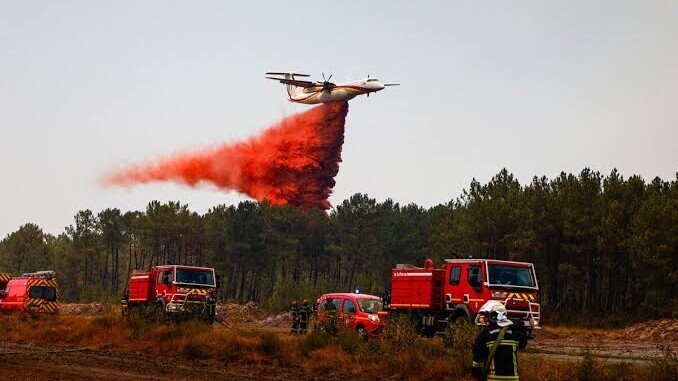
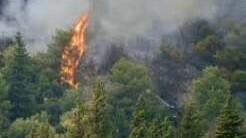
The increasing frequency of forest fires is placing a growing financial burden on local authorities and municipalities. By mid-July 2026, over 32,000 hectares had already burned in France, more than during the entire previous season. Long concentrated around the Mediterranean, the risk now extends to the Landes region, Brittany, the Centre region, and other departments that were previously less prepared.
Local authorities fund a large portion of the departmental fire and rescue services. Each season requires more firefighters, specialized vehicles, protective equipment, and personnel available for extended periods. These expenses are compounded by the costs of housing evacuees, cleaning roads, repairing utility networks, and rebuilding public buildings.
Investments amounting to millions of euros
A fire truck for fighting forest fires costs nearly €300,000. The national program launched after the 2022 fires plans to deliver 1,083 additional vehicles by 2028, with a budget of €250 million, €100 million of which is funded by local authorities. Aerial firefighting operations are also expensive: a Canadair water bomber costs around €50 million to purchase and up to €16,000 per flight hour.
Prevention also increases local budgets: clearing brush, creating access roads, installing water reservoirs, maintaining forests, and developing evacuation plans. These investments, however, remain less costly than repairing the damage caused by a major fire. Faced with the lengthening fire season, the departments are therefore calling for greater and more stable state funding, arguing that current emergency response funding is no longer adequate to meet the scale of the climate risk.




Community
Comments
Write a comment
Be the first to comment on this article.