


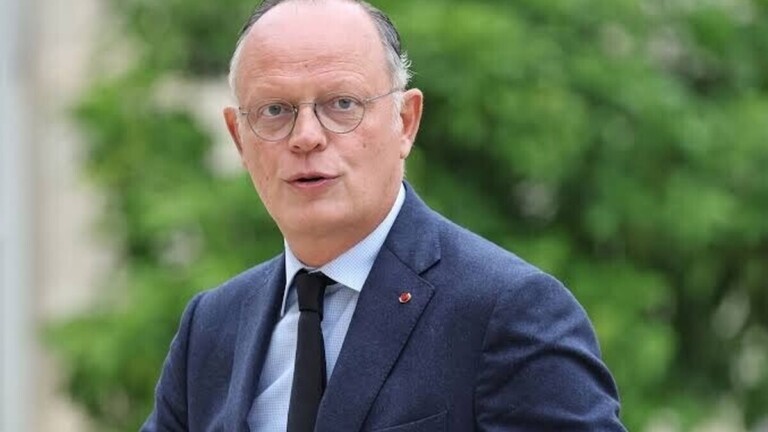
Appearing on BFMTV and RMC this Tuesday, November 3rd, Gérald Darmanin acknowledged that Édouard Philippe risked not making it to the second round of the 2027 presidential election. The Minister of Justice nevertheless called on Gabriel Attal and Bruno Retailleau to rally behind the former Prime Minister, believing that it was now too late to organize a primary for the right and center.
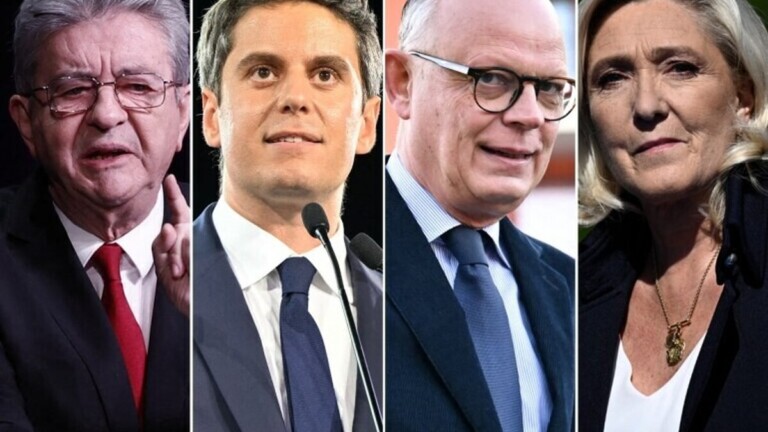
Just months before the presidential election, Gérald Darmanin is expressing his concerns about the future of the centrist bloc. Interviewed on BFMTV and RMC this Tuesday, November 3rd, the Minister of Justice acknowledged that Édouard Philippe, whom he has officially supported since August, is not guaranteed to make it to the second round. According to him, the mayor of Le Havre remains the strongest candidate within this political family. He points out that the former Prime Minister generally receives between 15 and 17% of the vote in opinion polls, while recognizing that this level is still insufficient to guarantee his qualification. In a Cluster17 study conducted for Politico and published on October 26th, Édouard Philippe was credited with 16% of the vote, behind Marine Le Pen and Jean-Luc Mélenchon . These results, however, represent a snapshot of the balance of power at a given moment and not a prediction of the election outcome.
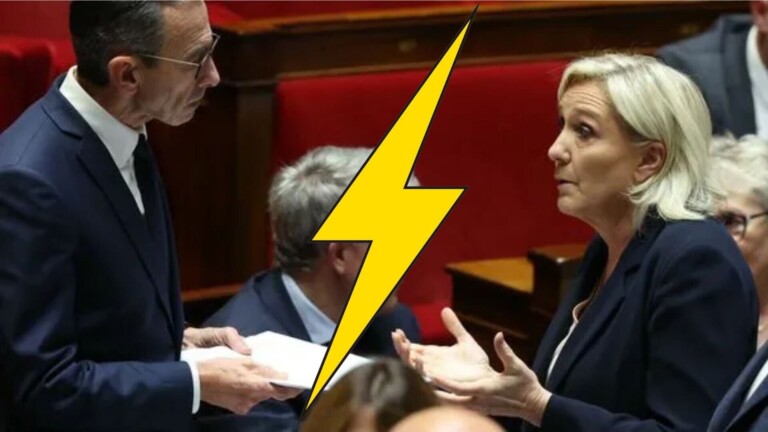
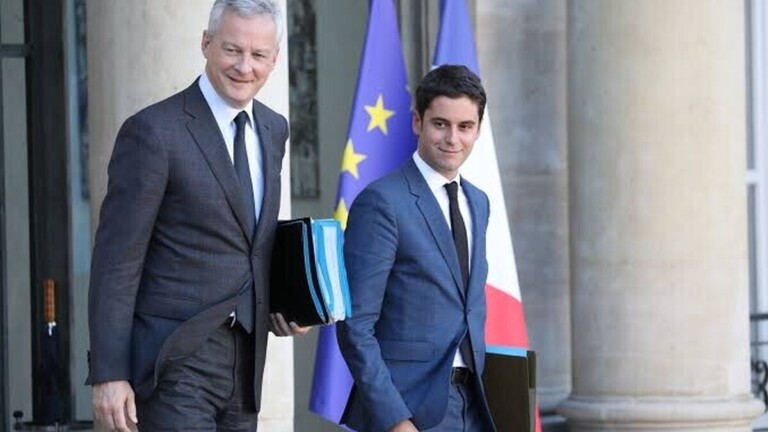
For Gérald Darmanin, the proliferation of candidacies on the right and in the center now constitutes a major obstacle. The minister is directly calling on Gabriel Attal, secretary general of Renaissance, and Bruno Retailleau, president of the Republicans, to support Édouard Philippe rather than pursue their respective presidential ambitions. He is proposing that they present their main policy priorities in order to initiate discussions with the Horizons candidate. This strategy is based on the idea that a negotiated alliance would be preferable to internal competition. The Minister of Justice acknowledges, however, that he does not share all of the former Prime Minister's political views, particularly on social issues. He believes, however, that supporting his candidacy would allow him to exert more influence on his platform.
The primary always divides the right and the center
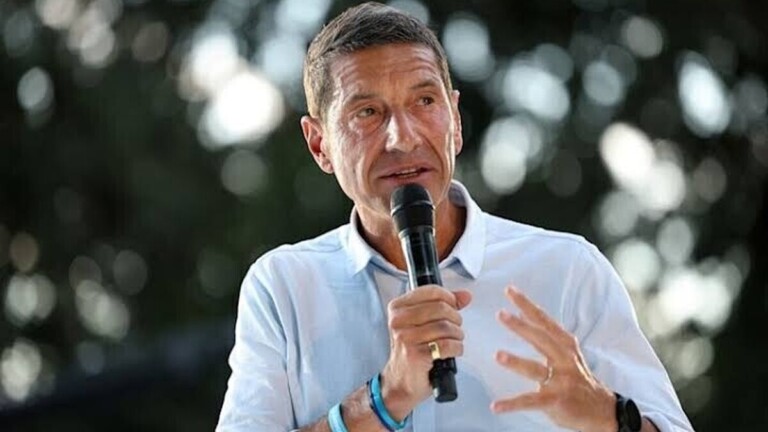
The Minister of Justice has also distanced himself from a proposal he was still advocating at the beginning of the year: holding a primary to decide between the presidential candidates. In February, Gérald Darmanin called for a joint consultation to avoid splitting the vote in the first round. Nine months later, he believes the timing no longer allows for such a procedure. This position aligns with that of Édouard Philippe, who has refused for several months to participate in a primary, believing it would risk exacerbating divisions. Gabriel Attal, on the other hand, defends this solution, which he presents as a way to designate a common candidate transparently. François Bayrou and David Lisnard have also spoken in favor of a primary, while Bruno Retailleau is open to the possibility under certain conditions.
Behind this disagreement over method lies a strategic confrontation between several political figures seeking to embody the post-Macron era. Édouard Philippe is banking on his government experience and the support he is gradually gathering, while Gabriel Attal intends to defend his own political line and refuses to consider a candidate as a natural choice. Bruno Retailleau, for his part, is seeking to preserve the autonomy of the Republican right. Gérald Darmanin's endorsement of the mayor of Le Havre, formalized in August, has therefore not been enough to resolve the differences. As the presidential election approaches, the question of a joint candidacy is becoming a central issue for these parties. It remains to be seen whether their leaders will manage to reach a political agreement or whether they will choose to present several candidates in the first round of voting.


Respond to the article
Be the first to comment on this article.