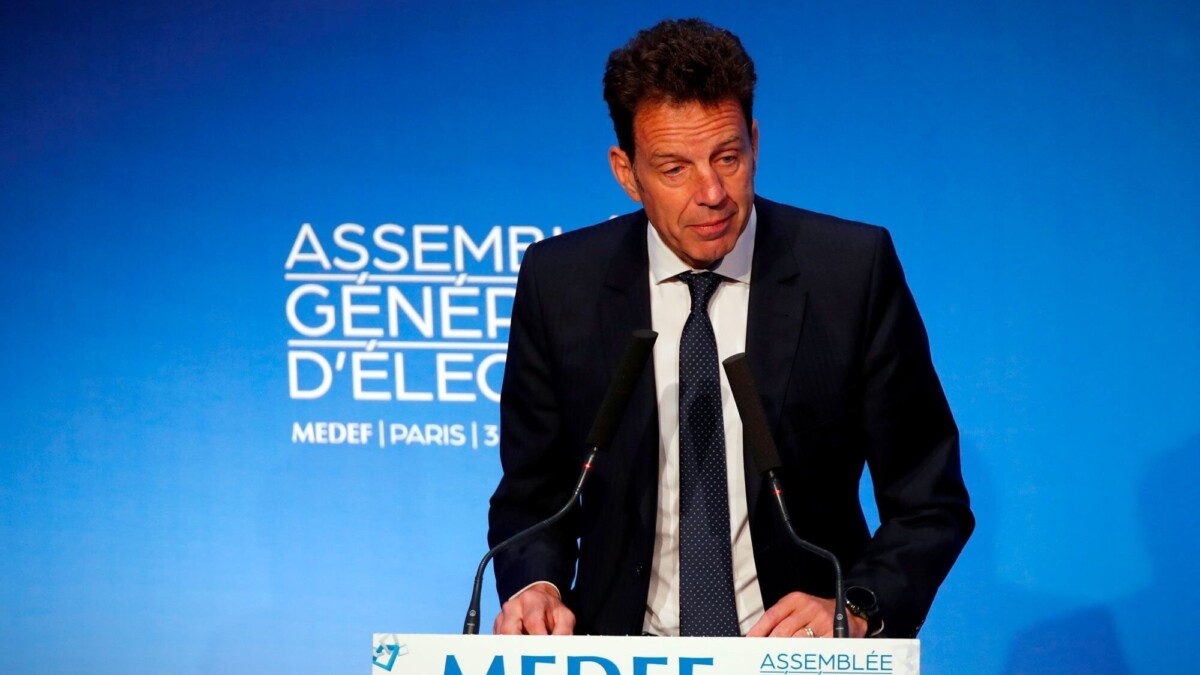
Appearing on BFMTV Monday evening, Geoffroy Roux de Bézieux delivered a particularly harsh warning against Jean-Luc Mélenchon's economic program. The former head of the Medef (French Business Confederation) believes that a La France Insoumise (France Unbowed) party coming to power would very quickly lead France to a major financial crisis, potentially requiring intervention from the International Monetary Fund.
The nationalization of TotalEnergies is in the crosshairs
When questioned specifically about LFI's desire to nationalize TotalEnergies, Geoffroy Roux de Bézieux first emphasized the cost of such an operation. He pointed out that the group is worth tens of billions of euros on the stock market and argued that the French state currently lacks the necessary financial resources to undertake such a transaction.
The former head of the employers' federation also defended TotalEnergies' current fuel policy, emphasizing that the price cap implemented by the group was voluntary and, in his view, even drew criticism from some foreign shareholders. For Geoffroy Roux de Bézieux, however, the issue extends beyond the oil company itself and relates to the overall credibility of La France Insoumise's economic program.
"A one-shot gun" on the richest
He then attacked proposals to tax the wealthiest individuals, citing inheritance tax and the Zucman tax as examples. According to him, these measures might generate short-term revenue, but the wealthiest taxpayers also have the greatest ability to relocate their capital or tax residence. "It's a one-shot deal," he summarized.
Geoffroy Roux de Bézieux goes so far as to predict that a Mélenchon presidency could not sustain this policy for long. "If Jean-Luc Mélenchon ever comes to power with La France Insoumise , this whole affair will last six months. After six months, we'll be under the tutelage of the IMF," he declared. The former head of the Medef (French Business Confederation) also points to the deterioration of France's financing conditions, citing borrowing rates higher than those of Germany and the growing burden of debt on the state budget.