


Six months before the presidential election, a new Ifop poll for LCI, published Tuesday, November 3, places Marine Le Pen and Jean-Luc Mélenchon in the top two positions across all scenarios studied. The National Rally candidate garnered between 35% and 37% of the vote in the first round, compared to 17,5% to 18% for the leader of La France Insoumise. The survey also highlights the difficulties faced by the center and right, whose various candidates continue to fragment voting intentions. None of the scenarios tested placed a representative of this political spectrum ahead of the two leading figures.
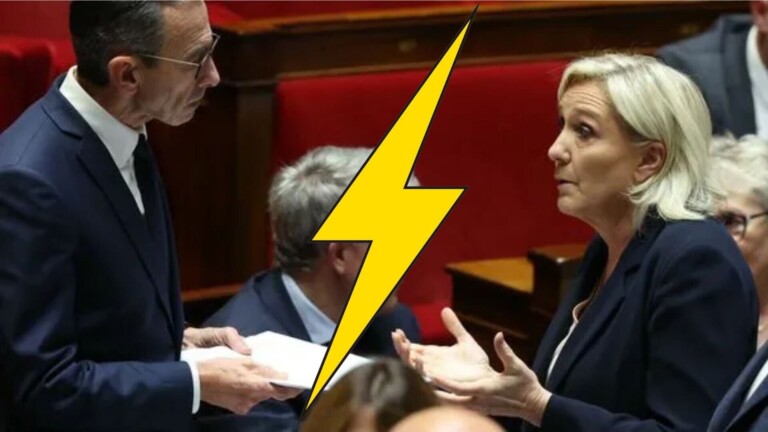
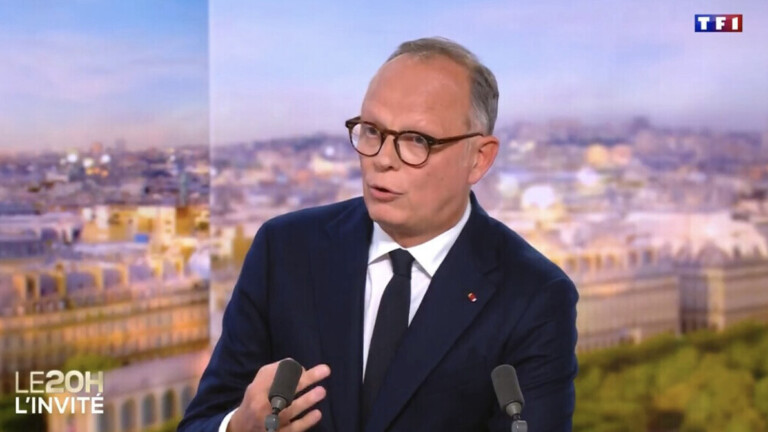
Édouard Philippe maintains the highest scores among centrist figures, with 15% when tested against a right-wing candidate. However, the competition between contenders significantly alters the results. When all four center-right candidates are included, the mayor of Le Havre's support drops to 9,5%, ahead of David Lisnard at 7%, Gabriel Attal at 5%, and Bruno Retailleau at 4%. Raphaël Glucksmann, for his part, garners between 10% and 13%, depending on the scenario. These discrepancies illustrate the potential consequences of the proliferation of candidacies, while discussions about a primary continue to divide those involved.
David Lisnard achieves 9% in a tested configuration
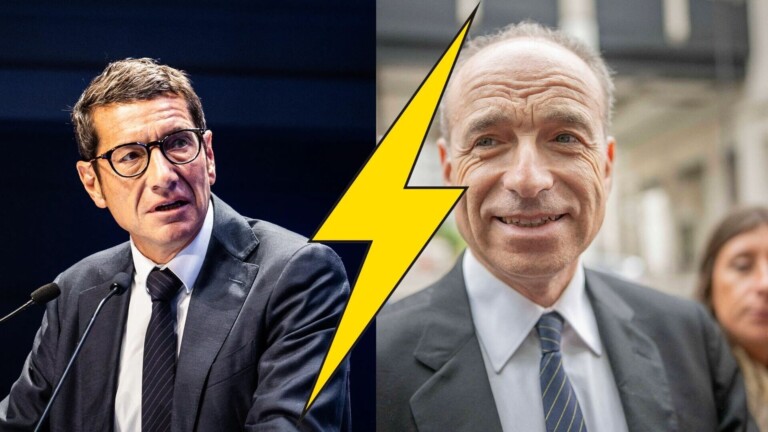
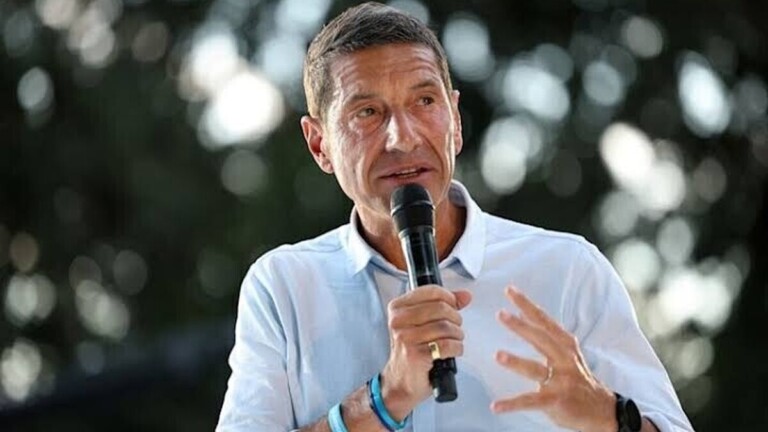
The mayor of Cannes receives 9% of the vote when pitted against Édouard Philippe in a scenario where Bruno Retailleau is not a candidate. In this scenario, the former Minister of the Interior is therefore absent from the competition, but when both are tested against Gabriel Attal, David Lisnard receives 7,5%, compared to 5% for Bruno Retailleau. These results come as the president of Nouvelle Énergie prepares for a major rally in Lyon on December 13th and continues to advocate for an open primary for the right and center.
The survey also comes after Édouard Philippe 's categorical refusal to participate in the primary proposed by Gabriel Attal. The results do not allow for any prediction of the outcome of the vote, especially since the final candidacies have not yet been determined. The survey was conducted online from October 27 to 29 among 1,501 registered voters, using the quota sampling method.






Respond to the article
Be the first to comment on this article.