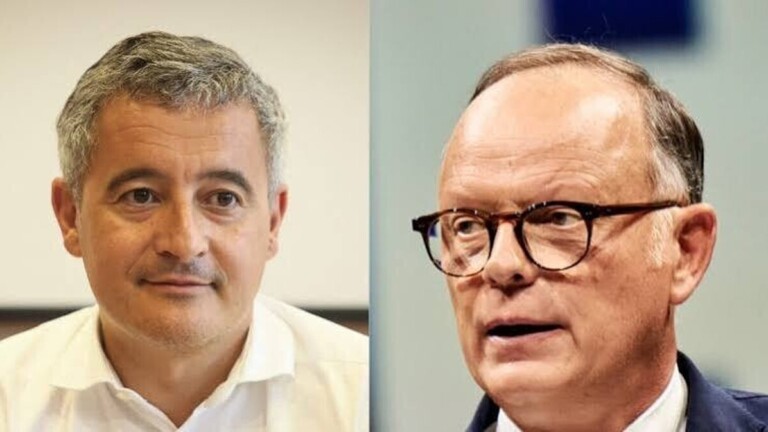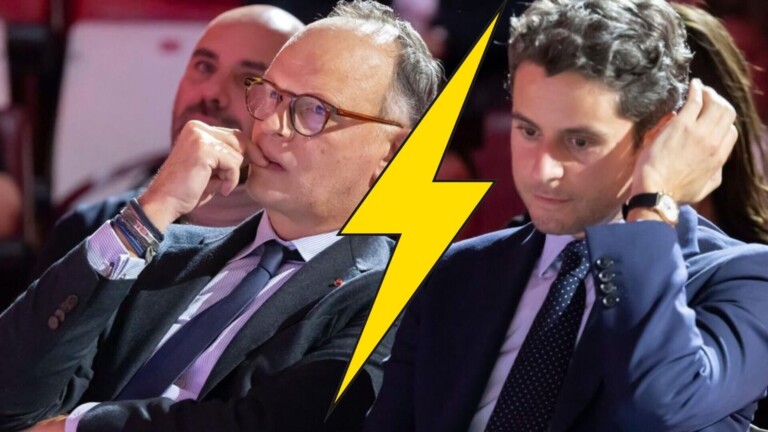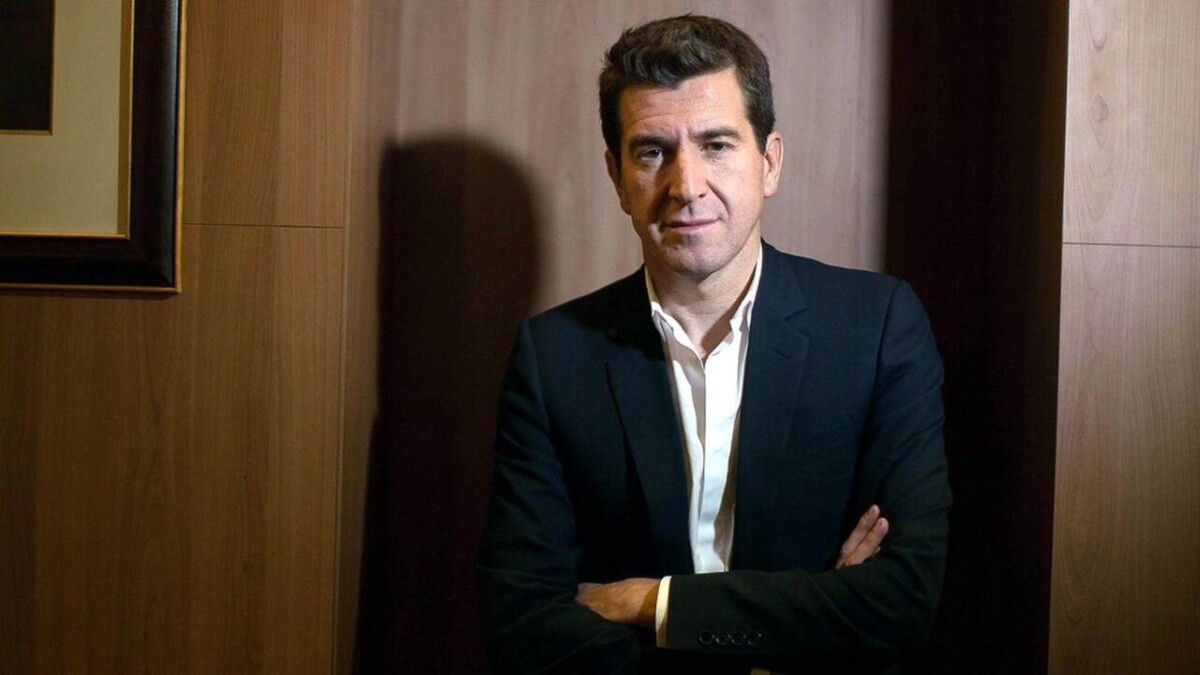
The left-wing primary is experiencing a new episode of tension. Matthieu Pigasse claims he was encouraged by Olivier Faure to consider participating before ultimately being met with a closed door. The investment banker and owner of Radio Nova is particularly critical of the balance of power between the Socialist Party and Raphaël Glucksmann.
"I said: I'm ready."
According to the account given by Matthieu Pigasse and reported this Monday by Le Monde, discussions took place with Olivier Faure regarding his potential participation. In late August or early September, the businessman reportedly indicated to the Socialist Party's first secretary that he was interested in "contributing to the debate" and promoting his ideas. "I said, 'I'm ready.' And they told me, 'No, we don't want you,'" he recounted at the Fête de l'Humanité (Humanity Festival).
Olivier Faure, however, denies having discussed with him the endorsements required for a candidacy. Matthieu Pigasse, for his part, claims that the Socialist Party's first secretary then "completely disappeared," to the point of ironically launching a "missing person alert" to find his interlocutor. Another possibility was allegedly offered to him: obtaining the support of Avenir socialiste, a faction to the left of the Socialist Party.
The shadow of Raphaël Glucksmann
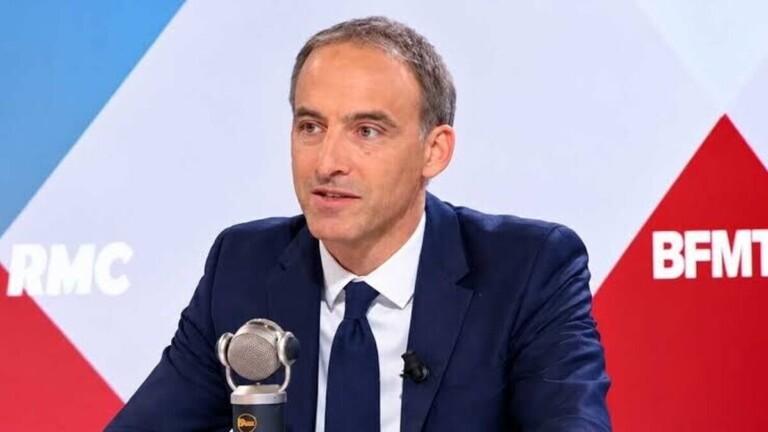
Behind this imbroglio lies, above all, the question of Raphaël Glucksmann. Luc Broussy, president of the Socialist Party's national council, reportedly explained to Matthieu Pigasse that the leader of Place Publique would oppose his participation. Olivier Faure, for his part, acknowledges having warned Pigasse that he feared the absence of an agreement with Place Publique.
Matthieu Pigasse is now questioning the real reasons for this closure, especially since his candidacy could also draw votes away from Olivier Faure. This episode illustrates the difficulties the left is having in defining the scope of its primary, with Raphaël Glucksmann already criticized by François Ruffin for refusing to broaden the competition. Just a few months before the presidential election, the battle to determine who can participate is becoming almost as fiercely contested as the primary itself.