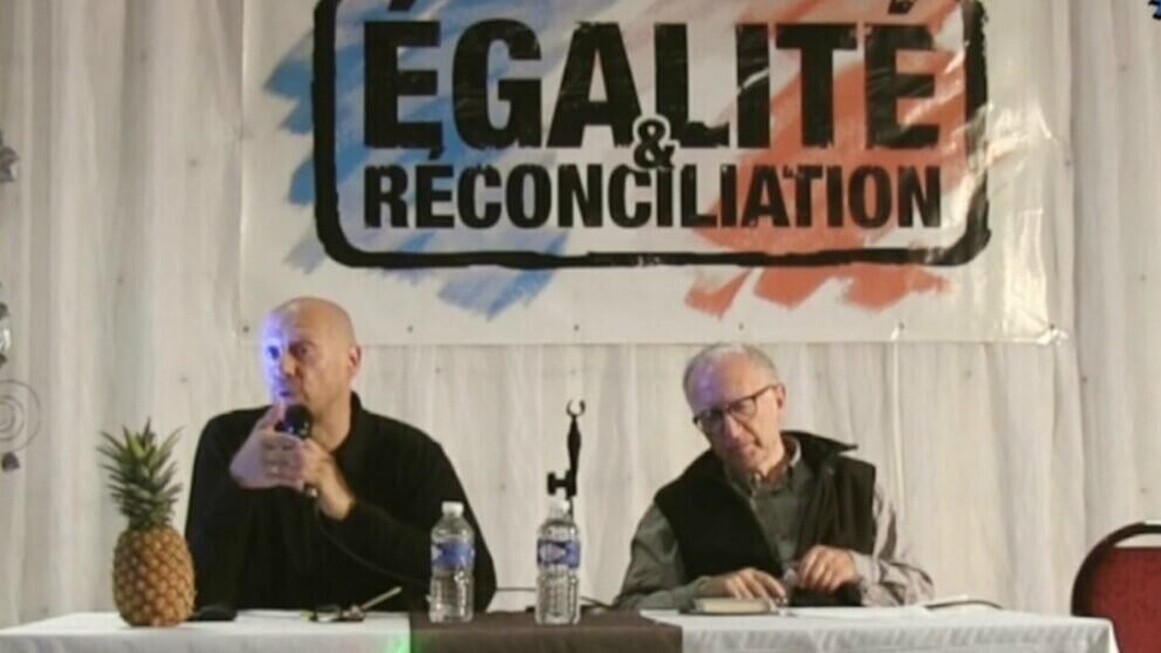
The Ministry of the Interior has initiated the first steps toward a possible dissolution of the association Equality & Reconciliation, led by Alain Soral. This procedure follows years of controversies, dissemination of antisemitic content, and judicial convictions targeting its founder. Behind a name that claims national reconciliation, the organization carries a heavy judicial and ideological legacy.
Behind the “reconciliation,” years of antisemitic propaganda
However, Equality & Reconciliation should not be legally confused solely with its founder. To justify a dissolution, the State must establish facts directly attributable to the association, its activities, or the content it disseminates and for which it assumes responsibility. The editorial role played by its media, the possible repetition of hateful messages, and their moderation will be central issues. French justice has already dealt with contentious publications on the organization’s website, notably in cases of incitement to hatred and racial insults.
Freedom of expression does not protect incitement to hatred
In its statement of October 11, Alain Soral presents the announced procedure as political persecution. The association denounces an attempt to silence a dissenting voice and contests the qualification of incitement to hatred. But this defense alone cannot erase judicial decisions nor exempt its activities from legal scrutiny. In a democracy, freedom of expression protects criticism of governments, religions, and foreign policies. It does not constitute a right to provoke discrimination, hatred, or violence against people based on their origin or religion.
Article L. 212-1 of the Internal Security Code precisely allows the administrative dissolution of associations that incite such behaviors or propagate theories intended to justify or encourage them. Such a serious measure must, however, be based on precise elements, be proportionate, and respect the rights of defense. The notification of an intention to dissolve opens a contradictory phase during which the responsible parties can present their observations. Any eventual dissolution must then be pronounced by decree in the Council of Ministers and may be subject to appeal before the Council of State.