Sixty-two years ago, on November 22, 1963 , John Fitzgerald Kennedy, President of the United States, was assassinated in Dallas, Texas , at the age of 46. This day remains one of the most significant events of the 62th century. Relive the detailed timeline of events of this day that marked history.
Arrival in Dallas and the official welcome
Shortly before noon, Kennedy and his wife Jacqueline Kennedy arrived in Dallas aboard Air Force One , accompanied by Texas Governor John Connally and his wife. They were greeted by local officials and an enthusiastic crowd. The presidential motorcade was about to travel through the city as part of a political tour aimed at bolstering support for the Democratic Party before the 1964 elections.
12:00 PM: Departure of the procession
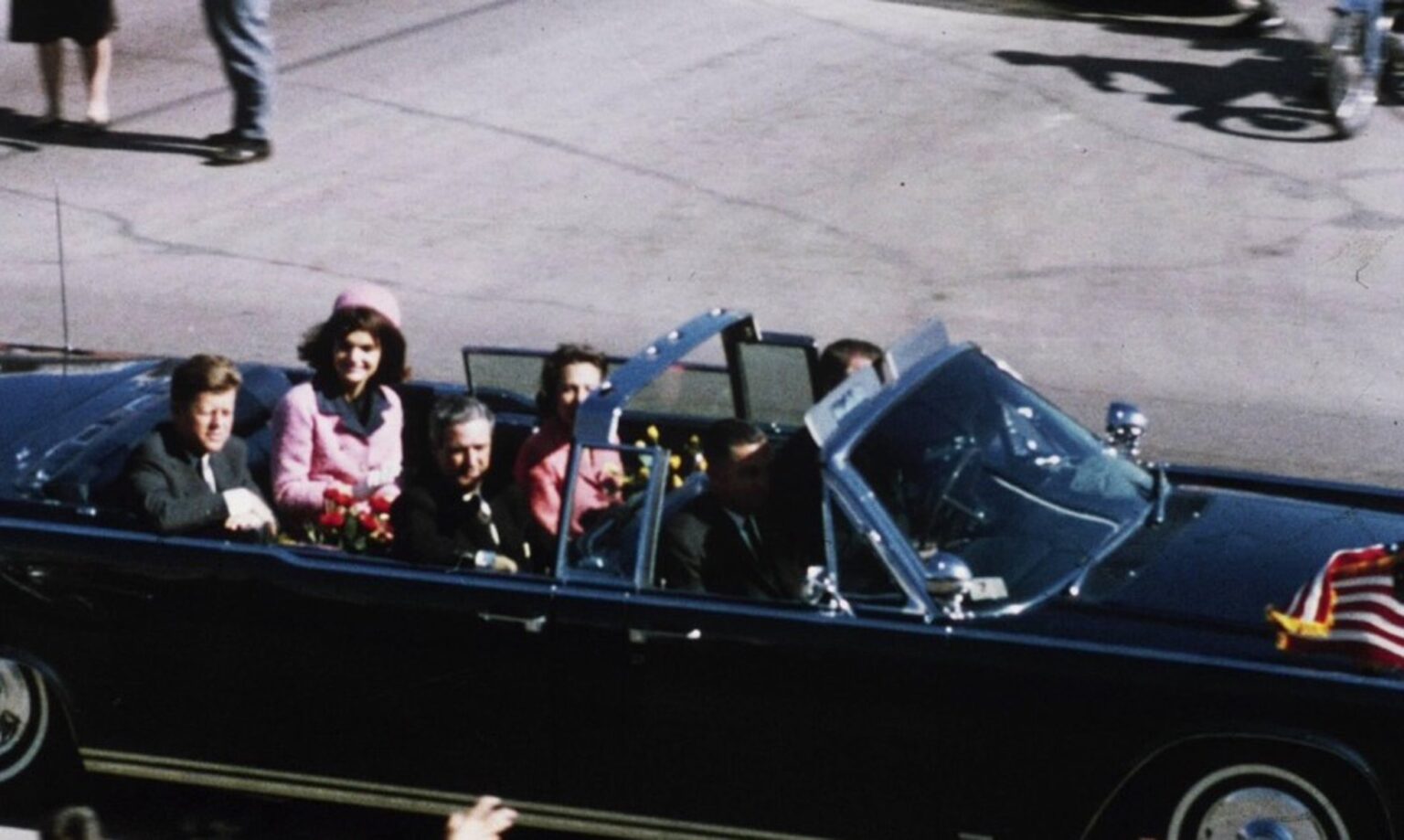
The presidential motorcade departed Love Field Airport for the Dallas Trade Mart . Kennedy and Connally climbed into an open-top limousine, exposing the president to the crowds gathered along Dealey Plaza . Cameras and photographers captured the motorcade's arrival as thousands of people greeted the president.
12:29 PM: First tremors in the crowd
As the limousine traveled down Elm Street , the crowd cheered the president. At that moment, some witnesses reported hearing strange noises, later interpreted as gunshots. The limousine slowed slightly, entering the area now known as the "shooting stump" near the Texas School Book Depository.
12:30 PM: The fatal shots
At precisely 12:30 p.m., the limousine crossed Dealey Plaza. The first shot was fired from the sixth floor of the book depository. Kennedy was hit in the throat, a bullet that pierced his neck, causing a serious but not immediately fatal wound. Seconds later, Kennedy was struck in the head. The wound was catastrophic and immediately fatal. Connally , the governor of Texas, seated in front of Kennedy, was also hit, receiving a bullet that pierced his chest and wrist.
The scene is one of total chaos. Jacqueline Kennedy screams and tries to protect her husband, while the motorcade speeds towards Parkland Hospital.
12:33 PM: Escape and confusion
Witnesses and police officers at the scene are trying to understand the situation. Some report additional shots, but the official consensus identifies three shots, two of which hit Kennedy and one hit Connally. The limousine speeds toward the hospital, escorted by security vehicles.
12:36 PM: Arrival at Parkland Hospital
Kennedy was immediately attended to by medical personnel. His injuries were examined and stabilized in the emergency room, but it quickly became apparent that his injuries were too severe.
13:00 PM: Declaration of death
After approximately 30 minutes of surgery, President John F. Kennedy was pronounced dead at the age of 46. Jacqueline Kennedy remained at his side, deeply shocked. Governor Connally, although seriously injured, survived after several surgeries.
13:15 PM – 14:00 PM: Suspect arrested
A few hours later, Lee Harvey Oswald , an employee of the Texas School Book Depository, was arrested for the murder of police officer J.D. Tippit , who was killed shortly after the president's assassination. Oswald was quickly identified as the prime suspect in Kennedy's assassination.
14:00 PM – 15:00 PM: Media chaos and heightened security
National and international media outlets are reporting the news. Federal and local authorities are increasing security and investigating the scene of the assassination. The city of Dallas is plunged into mourning and disbelief.
48 hours later: Lee Harvey Oswald shot dead
Two days after the assassination, on November 24, 1963 , Oswald was shot dead live on television by Jack Ruby , a local nightclub owner, during his transfer to the county jail. The event, filmed by television cameras, shocked the nation and fueled conspiracy theories for decades.
A tragedy that marks a turning point in history.
The assassination of JFK marked a turning point in American history. The Warren Commission concluded that Oswald acted alone , but many questions remain unanswered, fueling debate and research. Dealey Plaza has become a memorial site, and the Sixth Floor Museum still recounts the events of that historic day. Sixty-two years later, November 22nd remains an iconic date in American history, symbolizing the brutal end of a promising presidency and the beginning of a period of suspicion and national controversy.