

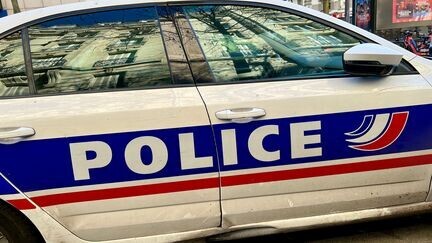
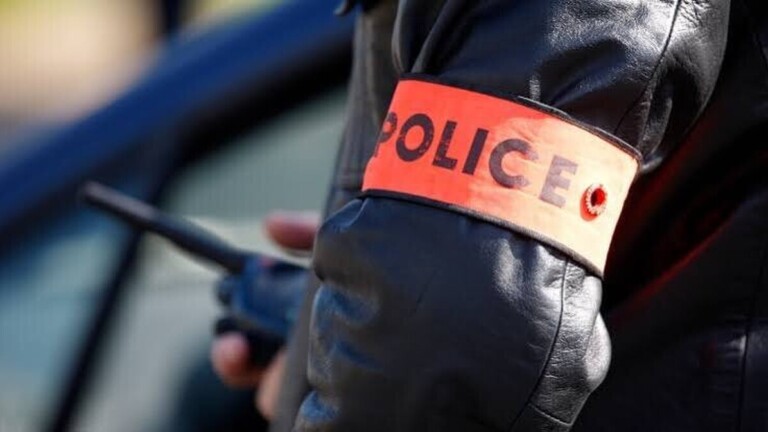
The Hauts-de-Seine Assize Court sentenced former police officer Gilles Guilbert to eight years in prison on Wednesday, November 18, 2026, for the murder of Olivio Gomes, a 28-year-old motorist killed in Poissy, Yvelines, in October 2020. Already sentenced to ten years in prison in the first trial, the former member of the Paris anti-crime brigade was again found guilty of voluntary manslaughter. The court rejected the defendant's claim of self-defense.
Six years after the death of Olivio Gomes, the appeals court upheld the conviction of the police officer who fatally shot the motorist in the Yvelines region . On Wednesday, November 18, the Hauts-de-Seine Assize Court, sitting in Nanterre, sentenced Gilles Guilbert, a former officer with the Paris anti-crime brigade (BAC), to eight years in prison. The verdict came after several days of hearings devoted to the circumstances of the police intervention that occurred on the night of October 16-17, 2020. The defendant had been sentenced to ten years in prison on March 27 by the Yvelines Assize Court in Versailles. He immediately appealed this decision, contesting in particular the finding of intent to kill made by the initial jury. The new court ultimately confirmed the murder charge, while reducing the prison sentence by two years.
The events date back to a night in October 2020. Olivio Gomes, a 28-year-old father, was driving a Renault Clio when he was followed by three officers from the Paris Anti-Crime Brigade (BAC). The officers followed his vehicle on the Paris ring road (Périphérique), then onto the A13 motorway, for a distance of approximately twenty kilometers. The chase ended in Poissy, at the foot of the building where the driver lived. Gilles Guilbert then got out of the police car and pointed his service weapon at the driver. When the Clio started moving again, the officer opened fire three times. One of the bullets pierced both lungs and the thoracic aorta of Olivio Gomes, causing his death at the scene. The precise circumstances of this intervention and the reality of the danger the officer claimed to have faced formed the core of the legal proceedings.
Self-defense once again rejected by the courts
Throughout the proceedings, Gilles Guilbert maintained that he acted to protect his life. According to his account, the driver suddenly accelerated while he was in front of the vehicle, causing him to fear being hit. The defense contested the existence of an intent to kill and asked the jury to consider the speed of events. During the first trial, however, the judges had determined that the use of a firearm was neither necessary nor proportionate to the threat. They based their decision in particular on the number of shots fired, their proximity to the victim, and the areas of the body struck. Before the appeals court, the prosecutor had requested a ten-year prison sentence, the same sentence handed down in the first trial. The prosecution argued that the three shots did not meet the conditions justifying the use of lethal force. The jury ultimately found the former police officer guilty of voluntary manslaughter but imposed a sentence less severe than the prosecution had requested.
This case has deeply affected the family of Olivio Gomes, who have been demanding recognition of responsibility for his death since 2020. During the initial trial, the family obtained a murder conviction, a relatively rare outcome when a police officer is tried for a fatal shooting in the line of duty. However, the appeal forced the family to relive the circumstances of the tragedy and testify again in court. The case also raised questions about the conditions under which law enforcement officers can use their weapons against a moving vehicle. In France , police officers are subject to strict rules of absolute necessity and proportionality when using their service weapon. The ruling in Nanterre serves as a reminder that these requirements can be subject to criminal review and that the status of police officer does not exempt them from answering to the law for a homicide committed during an intervention. While the sentence was reduced on appeal, the recognition of Gilles Guilbert's criminal responsibility remains the central element of this new verdict.




Respond to the article
Be the first to comment on this article.