

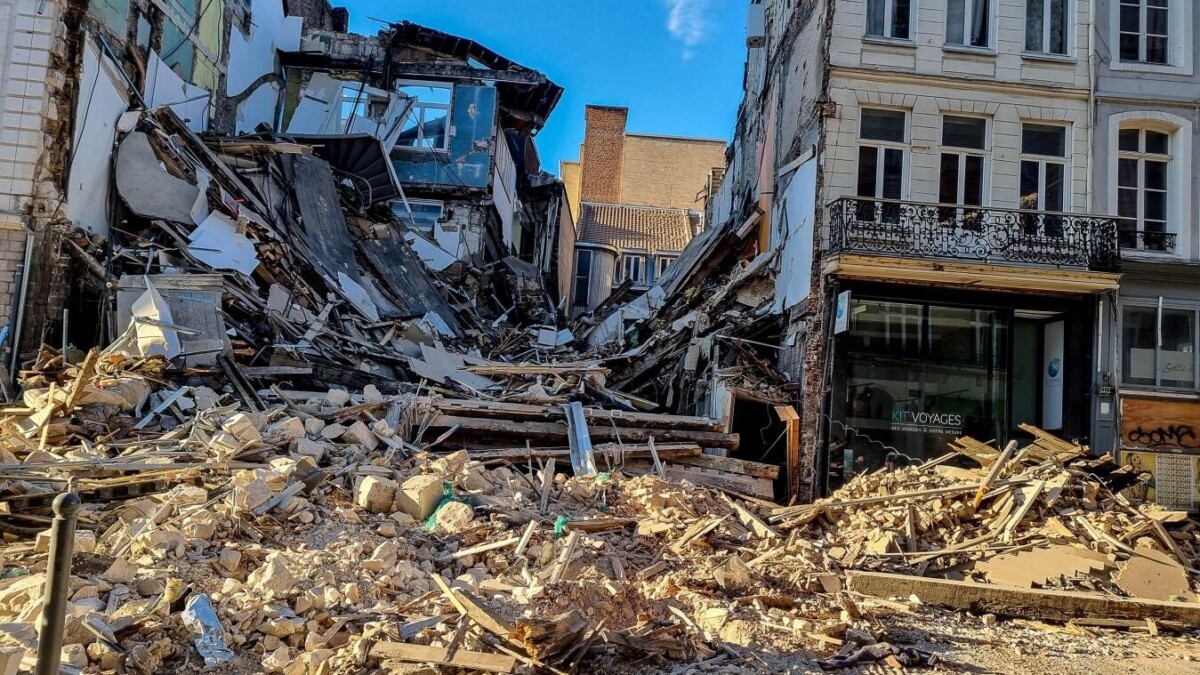
The judicial inquiry opened after the collapse of two buildings in Lille on November 12, 2022, has been closed without further action. The tragedy, which occurred on Rue Pierre-Mauroy, claimed the life of psychiatrist Alexandre Klein. Despite several years of investigations and numerous expert analyses, investigators were unable to establish the causes of the collapse with sufficient certainty or identify any criminal liability.
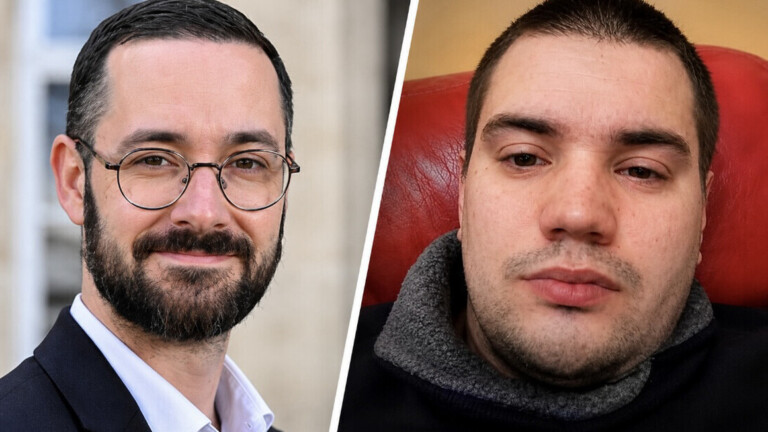
Four years after the collapse of two buildings located at numbers 42 and 44 on Rue Pierre-Mauroy in downtown Lille, the legal proceedings have failed to lead to prosecutions. According to information revealed Thursday, November 19, by Mediacités, the preliminary investigation opened for manslaughter and endangering the lives of others was closed on June 1, 2026. The investigations were unable to determine the precise causes of the disaster that resulted in the death of Alexandre Klein, a psychiatrist who was present in one of the buildings at the time of its collapse. This decision comes after several years of investigations aimed at understanding how two buildings could have collapsed on a busy street in the city center.
On November 12, 2022, the collapse deeply affected the residents of Lille. Rescue operations mobilized significant resources to search for potential victims in the rubble and secure neighboring buildings. The tragedy also raised numerous questions about the condition of older buildings, any warning signs of structural failure, and the responsibilities of the various parties involved. To try to answer these questions, investigators conducted numerous interviews, carried out searches, and examined a large volume of technical and administrative documents. Building specialists were also consulted to analyze the circumstances of the collapse.
The difficulties in establishing criminal liability
The dismissal of the case means that the evidence gathered during this investigation was insufficient to justify criminal prosecution. It does not constitute proof that the buildings were free of problems before their collapse. In this type of case, the investigation must establish not only the material circumstances of an accident, but also the possible existence of negligence attributable to a natural or legal person. The destruction of the structures can make this investigation particularly complex, especially when the elements necessary for technical reconstruction have themselves disappeared.
The decision reignites the debate surrounding the monitoring of old buildings in urban centers. Many French cities have buildings constructed at different times, sometimes transformed or renovated several times. Their stability depends on various factors, such as the condition of the foundations, structural modifications, humidity, and general maintenance. Local authorities have procedures in place to intervene when a building presents a danger, but their effectiveness relies heavily on detecting problems and issuing alerts. However, it would be premature to directly attribute the collapse in Lille to one of these causes in the absence of an established technical conclusion.
For the victim's family, the closing of the investigation leaves the question of responsibility unanswered in court. More broadly, this case highlights the difficulties that can arise when investigating building disasters. Prevention relies on building maintenance, appropriate assessments, and heightened vigilance when signs of structural weakness appear. Four years after the tragedy, the disappearance of Alexandre Klein remains central to an event that has left a lasting mark on the city of Lille.







Respond to the article
Be the first to comment on this article.