

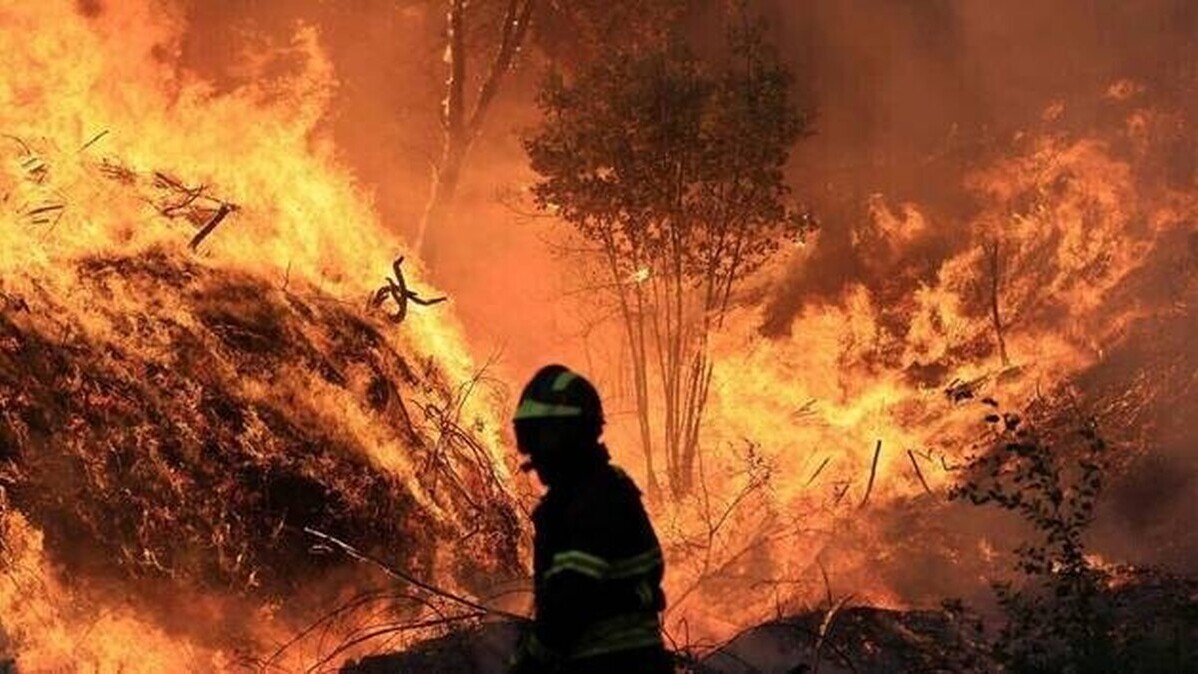
A man suspected of starting around twenty fires in the Côte-d'Or region this summer has been arrested and placed in pretrial detention. The Dijon prosecutor's office announced this development on Thursday, November 19, several months after a season marked by numerous fires. The suspect, who has reportedly partially confessed, is scheduled to stand trial in January 2027.
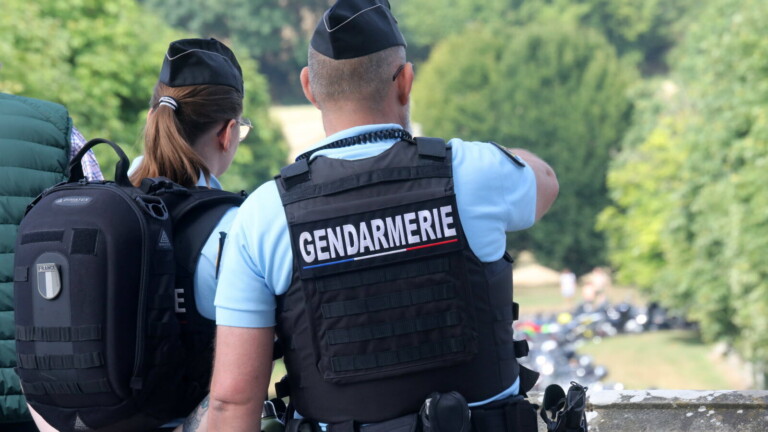
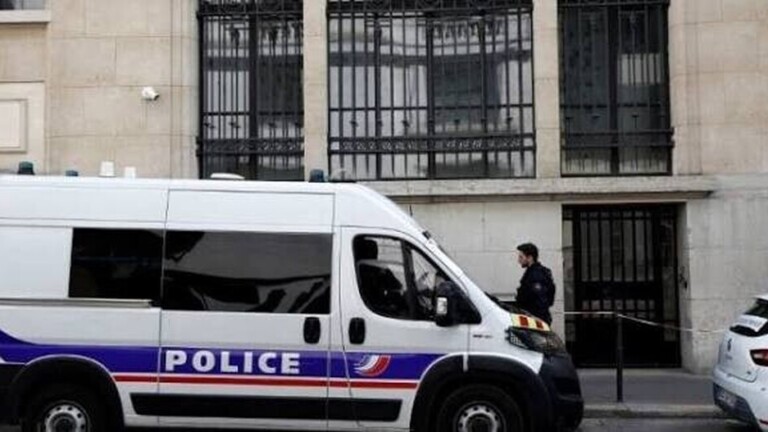
The investigation into a series of fires that occurred in Côte-d'Or during the summer of 2026 has taken a significant turn. A man suspected of starting twenty fires in the department was arrested on November 16th during a police operation conducted with the support of the Dijon gendarmerie's surveillance and intervention unit. The public prosecutor's office announced on Thursday that he had been remanded in custody. According to initial reports, the man admitted to some of the charges during his police custody. He will face trial in Dijon next January. At this stage, he remains presumed innocent.
This arrest comes after a particularly difficult summer for emergency services and residents in several French regions. In Côte-d'Or, some thirty forest fires were recorded up to the end of September, destroying approximately 650 hectares of vegetation. These fires required the intervention of numerous firefighters and the mobilization of resources to protect homes, natural areas, and infrastructure. However, the identification of a suspect in some of these fires does not mean that all the fires in the department share a common criminal origin.
An investigation aimed at establishing the circumstances of each fire
Arson investigations present particular challenges. Investigators must determine the point of origin of the fire, search for any physical evidence, and establish a link between the various events. The process can be complicated by the destruction of evidence by the flames, weather conditions, or the intervention of emergency services. When the same person is suspected of multiple offenses, the courts must examine the circumstances of each fire separately to determine potential criminal liability.
The consequences of fires often extend beyond the areas directly burned. Forest owners, farmers, and local communities can suffer significant economic losses. Fires also disrupt ecosystems, weaken certain soils, and sometimes require years of restoration for the affected areas. For the municipalities involved, prevention and monitoring operations also represent a financial and human burden. Furthermore, the increasing frequency of heat waves and droughts exacerbates the vulnerability of certain regions, without automatically implying that the fires were deliberately started.
The legal proceedings will now have to specify the charges against the suspect and the evidence that allows them to be attributed to him. The trial, scheduled for January 2027, will be an important step for the victims and the affected communities. Beyond this case, fire prevention relies on several complementary strategies: maintenance of natural areas, public awareness campaigns, monitoring of exposed zones, and rapid intervention capabilities. Criminal investigations are a key component of this policy, enabling the identification and, where appropriate, prosecution of behaviors that have caused fires.








Respond to the article
Be the first to comment on this article.