

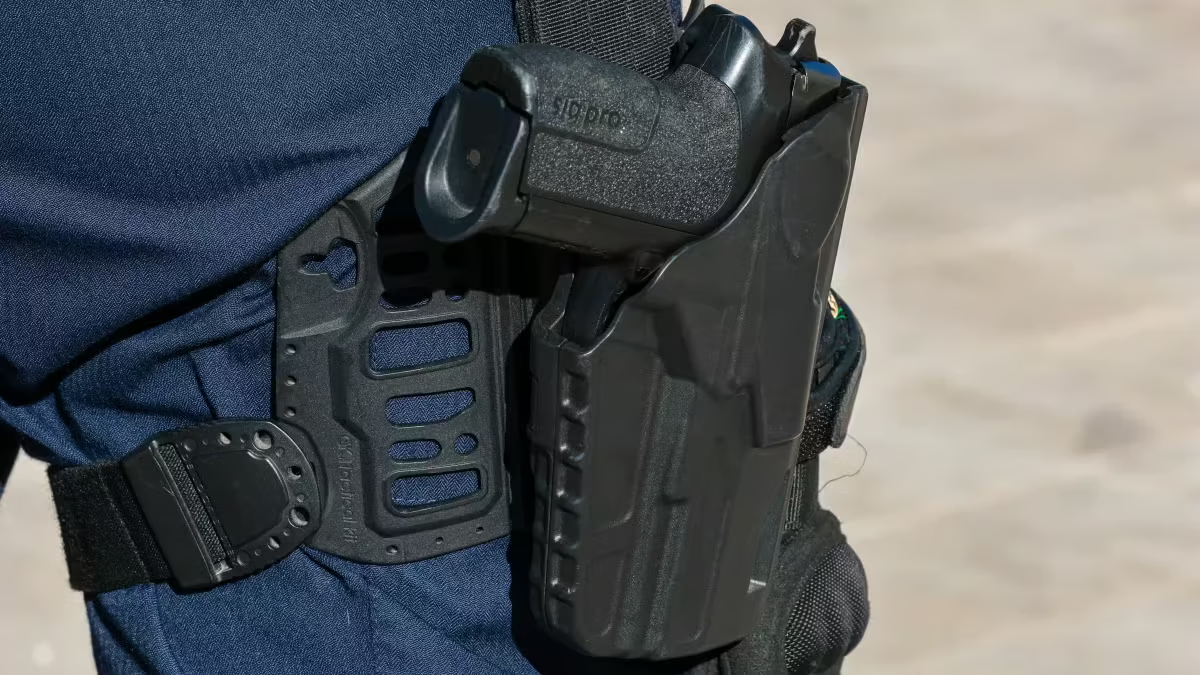
Parliament has definitively adopted a provision establishing a presumption of legal use of weapons for law enforcement. This development sparks debates on the legal protection of officers, conditions for the use of force, and guarantees granted to individuals involved in an intervention. Its scope will notably depend on the conditions set by the text and its application by the courts.
Legislation regarding the use of weapons by law enforcement has undergone a new evolution. Parliamentarians have definitively adopted a mechanism based on a presumption of legality in certain situations involving the use of a weapon. This measure aims to address concerns expressed about the legal security of police officers and gendarmes facing dangerous interventions.
The issue is particularly sensitive because the use of a firearm constitutes a decision that can have irreversible consequences. In France, it is regulated by legal conditions, notably the requirements of absolute necessity and strict proportionality. The introduction of a presumption does not mean that interventions are automatically exempt from judicial review.
A modification of the legal framework that sparks debate
Supporters of the measure believe it could strengthen the protection of officers required to make decisions in emergency situations. They emphasize the difficulties police officers and gendarmes may face when they must quickly assess a threat.
Opponents, on the other hand, are concerned about possible consequences on establishing liability in cases of injury or death. They particularly fear that the mechanism could complicate certain judicial procedures. The central issue thus concerns the concrete effects of the presumption on the examination of facts and the burden of proof.
Control of interventions remains essential
The legality of the use of weapons cannot be assessed independently of the circumstances. The nature of the threat, the behavior of the persons involved, and the possible responses must be examined within the applicable framework. Investigations may notably rely on testimonies, technical findings, and video recordings.
Parliamentary adoption does not necessarily close the legal debate. The conditions for entry into force and possible constitutional reviews will need to be considered. The implementation of this provision will be closely watched by representatives of law enforcement, justice professionals, and rights defense associations alike.










Respond to the article
Be the first to comment on this article.