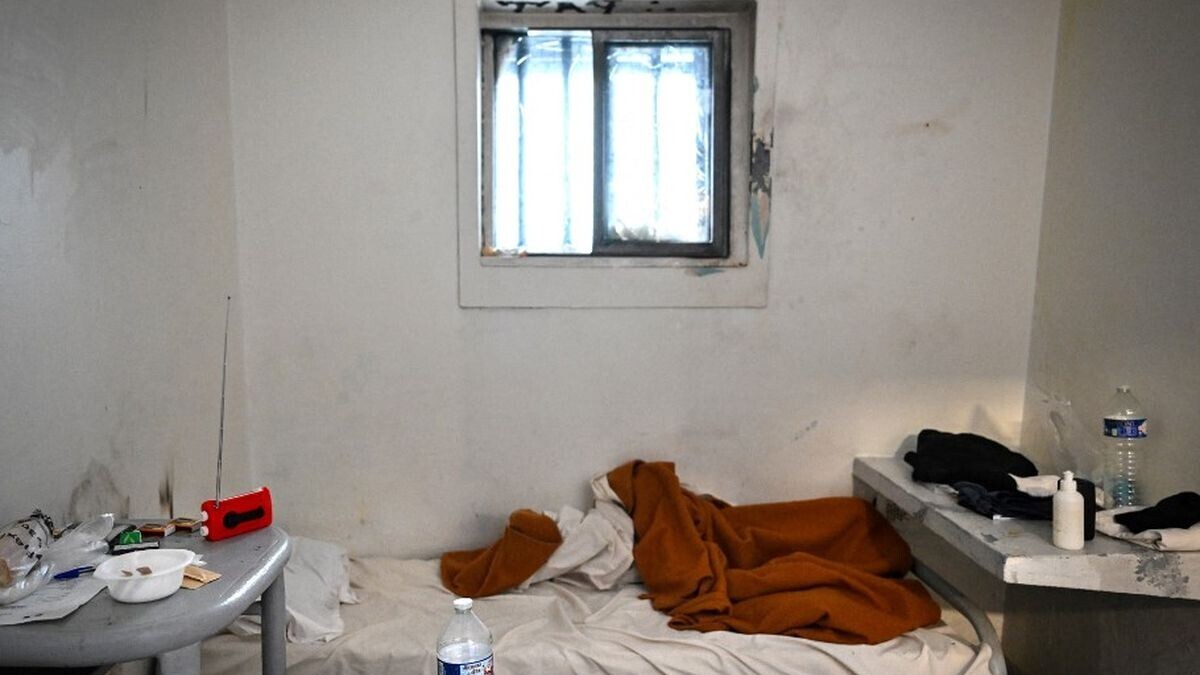
Several hundred people die each year in France in places of detention without a complete and consolidated count being made public. In two opinions published in the Official Journal, the General Controller of Places of Deprivation of Liberty, Dominique Simonnot, denounces significant shortcomings in the tracking and analysis of these deaths. The problem concerns not only prisons and psychiatric hospitals admitting patients without their consent, but also police and gendarmerie stations and administrative detention centers. The General Controller of Places of Deprivation of Liberty believes that the authorities do not always have sufficient information to know precisely the number of deaths, their causes, and the circumstances in which they occur.
The Ministry of Justice recorded 275 deaths in detention in 2025, including 136 suicides. The CGLPL (National Commission for the Prevention of Torture and Other Cruel, Inhuman or Degrading Treatment or Punishment) emphasizes that the suicide rate in French prisons remains among the highest in Europe : 19,4 per 10,000 inmates, compared to a European median of 7,3. The Ministry states that this rate, which has remained relatively stable for about fifteen years, decreased slightly in 2024 and 2025. It also indicates that work is underway on suicide prevention, without a specific timeline for the publication of new recommendations. Between 2022 and April 2026, the Inspector General also noted 24 inmates killed by fellow prisoners in facilities often characterized by severe overcrowding.
Sometimes delayed care and poorly documented deaths
Access to healthcare is another cause for concern. Up to a third of scheduled medical transfers for seriously ill prisoners are reportedly canceled due to a lack of available escorts, which can delay essential examinations or treatments. In psychiatry, the shortcomings are even more difficult to quantify. The CGLPL (National Commission for the Prevention of Torture) criticizes the Ministry of Health for failing to provide precise figures on how many patients die during or after involuntary hospitalization. Some deaths occur while individuals are in solitary confinement or restraints, sometimes with inadequate supervision. Two cases have even been documented in which no autopsy was performed despite unexplained circumstances.
The Inspector General therefore calls for data to be systematically collected, analyzed, and made public by each relevant ministry. She also recommends ending the use of restraint in psychiatric care without waiting for the 2030 deadline set by the government. The issue goes beyond mere statistical transparency: without precise and consistent data, it becomes difficult to understand the causes of death, identify systemic failures, and implement effective prevention policies. For the Inspector General of Places of Deprivation of Liberty (CGLPL), accurate knowledge of these deaths must become a prerequisite for any real improvement in detention and care conditions.