Bruno Retailleau has unveiled his proposals for reforming French higher education. The leader of the Republicans party notably wants to abolish the Parcoursup platform and tighten admission requirements for university programs.
In an interview with AFP on Friday, November 27, the Republican candidate for the 2027 presidential election advocated for the introduction of selection processes starting in the first year of undergraduate studies. Denouncing a university system he considers responsible for too many failures, the former Minister of the Interior intends to allow institutions to define their own admission criteria. Parcoursup would be replaced by a system based primarily on candidates' academic performance.
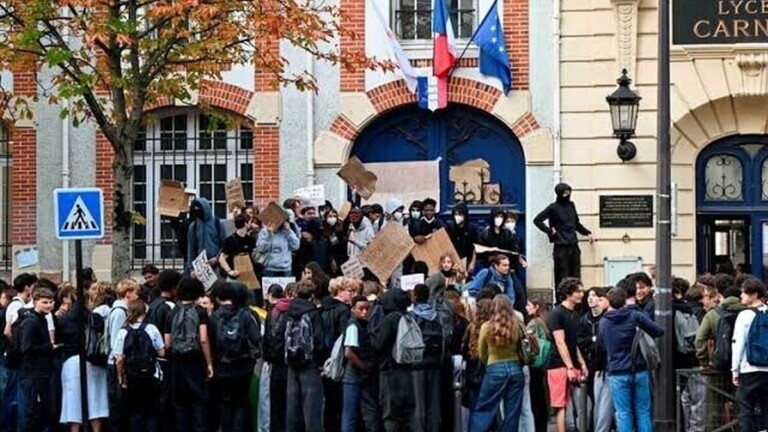
For high school graduates whose prior learning is deemed insufficient, Bruno Retailleau proposes the creation of a preparatory year before entering a bachelor's degree program. This measure, he believes, should allow students to consolidate their knowledge before embarking on a university course. He also wants to strengthen authority within institutions, particularly in the face of campus blockades.
Higher tuition fees and fewer international students
The Republican candidate is also considering a significant increase in university tuition fees, which would be set at €1,000 for undergraduate programs and €2,500 for master's programs. At the same time, he wants to modify the eligibility criteria for scholarships to make them more accessible to students from middle-class backgrounds. However, the precise details of this reform to student funding remain to be defined.
Bruno Retailleau intends to finally limit the number of international students admitted to France to 200,000 , compared to the 500,000 target previously set by Emmanuel Macron . The candidate wants to prioritize admissions based on students' qualifications, the disciplines they will be studying, and their country of origin. These proposals come as the government of Sébastien Lecornu has already announced the replacement of Parcoursup by 2028, following significant student mobilization.
Sources cited in the AFP article