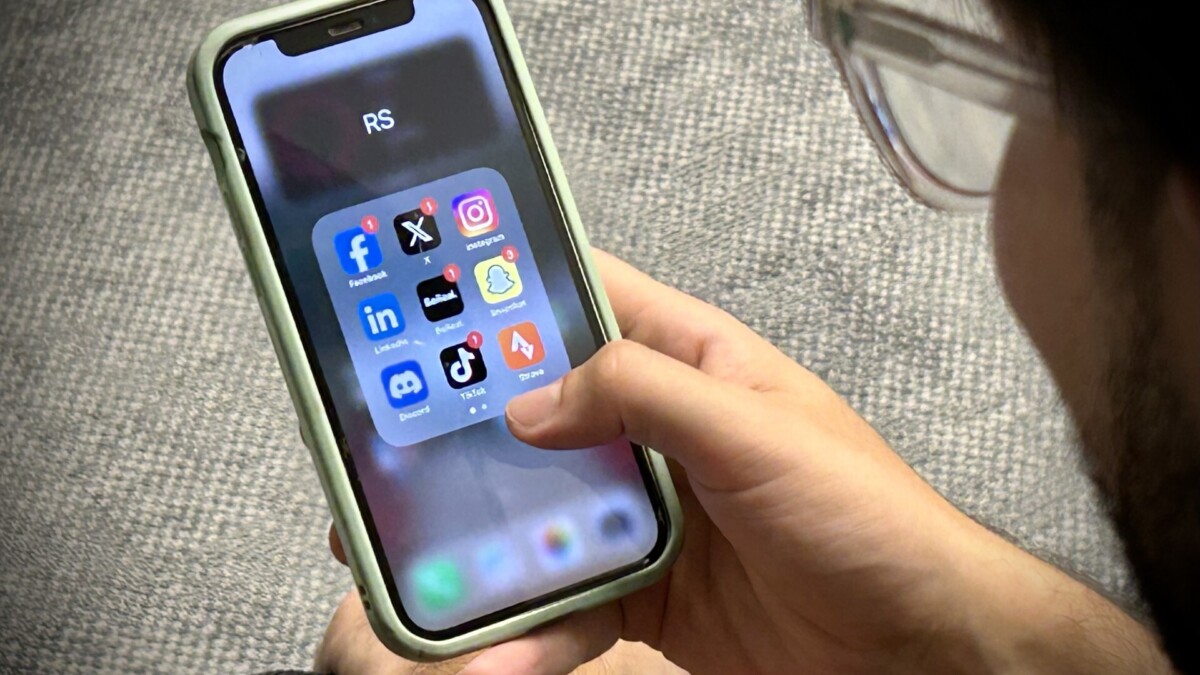
Photos, videos, private messages, conversations, and memories: a large part of our personal lives is now stored online. But what happens to this data when someone dies? Facebook, Instagram , TikTok, and Google accounts don't necessarily disappear with their owner. They can remain accessible for several years, sometimes without any intervention from loved ones. In France, however, legislation allows everyone to plan the fate of their personal data after their death. Between protecting privacy, respecting last wishes, and preserving family memories, the question of digital legacy is becoming increasingly important.
When a user dies, their social media accounts are not usually deleted automatically. Platforms don't always have the information to distinguish between a deceased person and a user who has simply stopped logging in. Without notification or a specific request, profiles can therefore remain visible for a long time. Photographs, old posts, and some comments sometimes continue to appear in searches or news feeds. This digital persistence can create difficult situations for families, especially when birthday notifications or automated recommendations remind them of an account belonging to a deceased loved one. According to a survey conducted for the French Data Protection Authority (CNIL), nearly a third of French people have already encountered content posted from accounts belonging to deceased individuals.
The major platforms offer different procedures for managing these situations. Facebook, for example, allows users to memorialize a profile so that loved ones can preserve certain memories without the account being used as if it belonged to a living person. A user can also designate a legacy contact during their lifetime, tasked with performing certain limited actions after their death. This person, however, does not receive general access to the deceased's private messages. Instagram also offers mechanisms for memorializing an account or requesting its deletion, upon presentation of appropriate documentation. Google, for its part, has an inactive account manager that allows users to plan what will happen to certain data after a prolonged period of inactivity. The procedures vary depending on the service and do not guarantee loved ones automatic access to all stored information.
Can the heirs access the deceased's messages and photos?
In France , the handling of personal data after death is governed by Article 85 of the Data Protection Act. This law allows any individual to define, during their lifetime, directives concerning the retention, deletion, or disclosure of their personal information after their death. These instructions can be general, when they concern all digital data, or specific, when they apply to a particular service. It is notably possible to designate a person responsible for ensuring that one's wishes are respected. In the absence of directives, heirs have limited rights to carry out certain actions, such as requesting the closure of an account or obtaining information necessary for the organization of the estate. However, they do not automatically have the right to access all messages, photographs, or private conversations. Protecting the confidentiality of communications remains a crucial issue, even after the user's death.
Preparing a digital legacy is therefore becoming an important step, just like organizing other aspects of one's estate. Everyone can start by identifying the services they use regularly, examining the options offered by the platforms, and specifying their wishes regarding the preservation of their memories. Some people prefer that their photographs remain accessible to loved ones, while others want their accounts completely deleted. According to a survey conducted for the CNIL (French Data Protection Authority), about half of those surveyed would prefer their online posts to disappear after their death, while some want to select which content to keep. These choices can also concern online storage spaces, emails, digital libraries, and personal documents. As generations grow up with the internet, families will increasingly face the challenge of managing these digital footprints. Beyond the technical and legal questions, a profoundly human issue ultimately arises: how to preserve a person's memory while respecting their privacy and the wishes they expressed during their lifetime?
Sources cited in the article: Investigation for the CNIL · Article 85 of the French Data Protection Act