

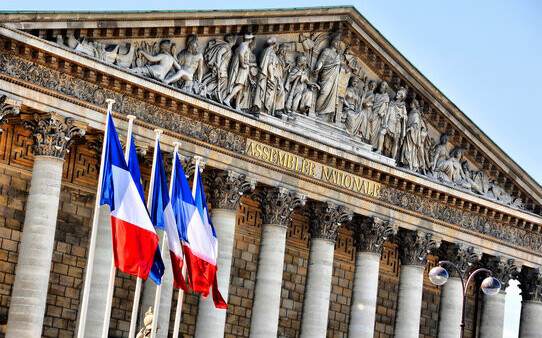
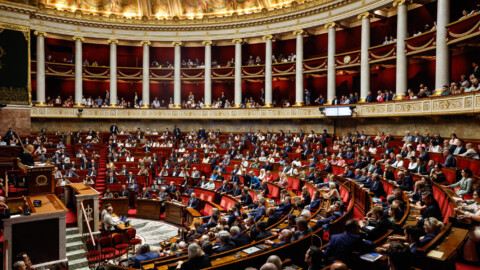
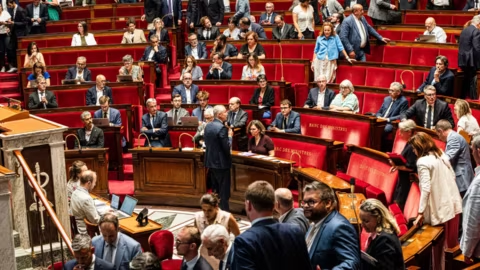
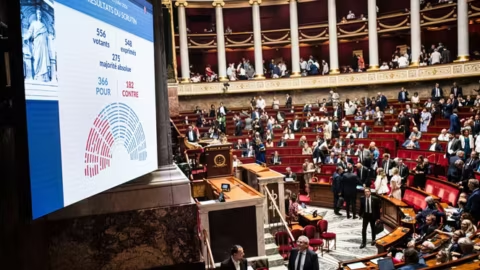
This Monday at 16 p.m., the National Assembly will begin the long-delayed process of drafting a framework law on the restitution of cultural property acquired in a colonial context. The bill arrives late, almost ten years after Emmanuel Macron 's promise in Ouagadougou in 2017, and after its unanimous adoption by the Senate at the end of January. Within the Assembly, it is understood that the issue extends far beyond museums: it touches on memory, diplomacy, and the image France wishes to project to its African partners.
Until now, everything was handled on a case-by-case basis, a cumbersome process dictated by the principle of the inalienability of public collections. As a result, each return required its own specific legislation, meaning months of procedure and a quickly overwhelmed parliamentary agenda. A few emblematic restitutions did take place, however: 26 works, the treasures of Abomey returned to Benin, El Hadj Omar Tall's sword to Senegal, and then the "Djidji Ayokwe," a drum confiscated in 1916, returned to Ivory Coast. Significant gestures, but few and far between.
A sensitive issue, a political timetable
The bill aims to accelerate the process by removing certain restitutions from the legislative domain and entrusting them to decrees, following the review of applications. The Minister of Culture, Catherine Pégard, promises safeguards: criteria for judging the illegality of an appropriation and mandatory consultation with two commissions, one scientific and the other including members of parliament, tasked with issuing an opinion. On paper, the State grants itself greater flexibility, while retaining control over contentious decisions.
The battle over the scope remains. The text targets assets acquired between 1815 and 1972, a period encompassing the rise of the second French colonial empire and ending just before the UNESCO Convention on Restitution, which subsequently came into force. Some elected officials consider the boundaries too narrow, while others fear too wide a breach in the national collections, given the looming threat of demands revived since the 2010s and structured by the 2018 Sarr-Savoy report. The National Assembly will have to decide between speed and caution, and the State between symbolism and method, in a debate that will not end once the chamber is closed.





Community
Comments
Write a comment
Be the first to comment on this article.