

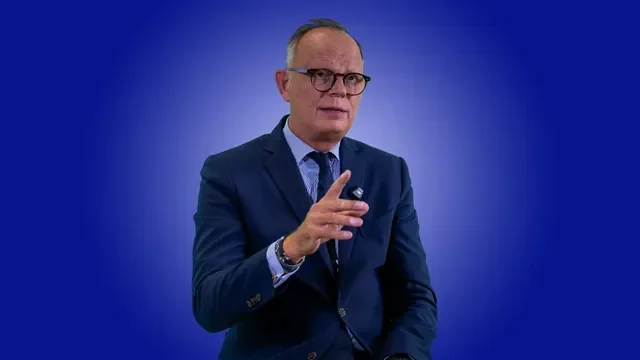
A few months before the 2027 presidential election, Édouard Philippe is outlining his economic program. The Horizons candidate proposes reducing the maximum duration of unemployment benefits for those under 50 to twelve months and intends to tighten the rules concerning short-term sick leave.
Édouard Philippe wants to make employment and restoring public finances two major pillars of his presidential campaign. Before participating in a debate organized for the Medef (French Business Confederation) on Thursday, August 27, the former Prime Minister advocated for a further reduction in the duration of unemployment benefits. For those under 50, this would be limited to twelve months, following the German model. This proposal would extend the successive reforms of unemployment insurance undertaken in recent years. The maximum benefit period is currently 18 months for those under 55. Édouard Philippe defends this further tightening of the system as the unemployment rate reached 8,3% in the second quarter of 2026, marking its sixth consecutive quarter of increase.
Édouard Philippe wants to "put an end to the open bar of sick leave"
The Horizons candidate also wants to tackle what he describes as the spiraling use of sick leave. According to the figures he cites, its annual cost reaches approximately €17 billion and is expected to increase by nearly 40% between 2019 and 2025. He considers this trend worrying for both public finances and the functioning of businesses and government agencies. Édouard Philippe is considering, in particular, strengthening the waiting period for short-term sick leave. Drawing inspiration from the Spanish system, he proposes that the first, or even the first two, days of a short-term absence not be compensated. He also wants to establish a minimum period of three to six months between sick leave and a negotiated termination agreement in order, according to him, to combat situations of "sick leave blackmail."
The former Prime Minister is simultaneously sending several signals to business leaders. He wants to preserve the Dutreil pact, which facilitates the tax transfer of family businesses, and significantly increase the limits on lifetime gifts. On this issue, he acknowledges a "fundamental disagreement" with Jean-Luc Mélenchon , who advocates, among other things, a full tax on inheritances exceeding €12 million. More broadly, Édouard Philippe wants to return to a supply-side economic policy. He proposes eliminating €50 billion in production taxes, in exchange for an equivalent reduction in subsidies granted to businesses. He also supports a new pension reform that would require people to work "a little longer," while stating his intention to take greater account of the differences between different professions.




Community
Comments
Write a comment
Be the first to comment on this article.